
You launch a product and wonder why clicks don't turn into sales; often, the missing piece is targeted keywords and clear buyer intent in your dropshipping marketing strategy. Which keywords will bring buyers to your product page: broad high-volume terms or specific long tail phrases with low competition? This article explains dropshipping keyword research step by step, covering search volume, keyword difficulty, competitor keyword gaps, trend data, buyer intent, and how to use keyword tools like Google Keyword Planner and Ahrefs to optimize product listings, meta titles, and descriptions to grow organic traffic and conversion rate. To put those keyword ideas into action, PagePilot's AI page builder drafts optimized product pages, meta titles, and descriptions so you can test niches faster and improve conversion rates without technical headaches.
Summary
- Searcher intent, not raw volume, determines whether clicks translate into sales, and dropshipping stores that optimize for keywords see a 30% higher conversion rate, according to Shopify.
- Prioritize a short list of buyer-ready phrases, ideally three testable high-intent keywords per product, and validate each with a 48 to 72-hour micro-test aimed at 30 to 100 qualified clicks.
- Long-tail, specific phrases drive clearer conversion signals and lower test costs, and dropshippers who optimize their keyword strategy report a 50% increase in traffic, according to AutoDS.
- Protect unit economics early, as typical dropshipping profit margins range from 15% to 45%, according to Printful. Any keyword that risks consuming more than 60% of the margin with CAC is unlikely to be profitable.
- Since over 70% of online shoppers begin product discovery via search, a 60-second SERP audit for shopping results, dominant brands, and ad presence is a high-leverage step for predicting buyability and cost.
- Keyword failures are a common cause of store collapse: over 70% of dropshipping businesses cite inadequate keyword research as a reason for failure, yet effective keyword research can lift eCommerce sales by up to 30%, according to Bizfylr.
PagePilot's AI page builder addresses this by using selected high-intent keywords to auto-generate optimized product pages, headline variants, metadata, and image versions in roughly 60 to 120 seconds, enabling teams to run micro-tests without page-creation delays.
What is Dropshipping Keyword Research?

Dropshipping keyword research is the deliberate process of identifying search queries that signal a buyer is ready to act, then using those queries to prioritize product tests, ad targeting, and page copy so you can validate profitability faster. Done well, it shortens time-to-launch and turns keyword signals into immediate conversion intelligence you can feed into page builders and ad creatives.
Which Keywords Move the Needle?
Start by asking which searches show purchase intent, not just curiosity. Transactional modifiers like buy, best, reviews, and product-specific long tails tend to convert, while broad informational phrases usually do not. Treat search volume, cost-per-click, and keyword difficulty as separate levers:
- Volume indicates audience size
- CPC reveals advertiser intent and competition
- Difficulty indicates how long the ranking will take
In practice, prioritize a short list of high-intent phrases per product, then map each phrase to a single headline, product bullet, and an ad creative test.
Why Are Dropshippers So Frustrated with Keyword Work?
This pattern appears across rapid-testing stores and ad-first shops: SEO feels slow and disconnected from the dropshipping sprint. You spend hours tweaking meta tags and chasing vague volume numbers while launch windows close and ad budgets burn. It is exhausting when tactical SEO tasks do not immediately feed the next ad test or landing page.
The fix is tactical: cut the scope to a few buyer-focused keywords, automate discovery where possible, and route those keywords straight into the page and creative workflow so research becomes fuel, not a bottleneck.
The Limits of Spreadsheet Keyword Management
Most teams handle keyword selection by copying competitor headlines and assembling long lists in spreadsheets because it is familiar and low-friction. That works at the start, but as you run more tests, spreadsheets fragment, priorities blur, and decision time stretches from hours to days.
Platforms like PagePilot bridge that gap by turning chosen high-intent keywords into ready-to-publish product pages and ad copy, compressing setup to 60 to 120 seconds, and keeping creative testing on a fast loop.
How Do You Pick Signals That Predict Profit?
Look beyond raw search volume. Combine these signals:
- Recent trending spikes
- Ad presence on the phrase
- Merchant competition
- Average CPC
- Product’s margin sensitivity
Protecting Thin Margins with Keyword Conversion
Remember that product economics matter because dropshipping operates with tight per-item margins. The Printful Blog statistic that dropshipping businesses can earn a 15%-45% profit margin links the margin range directly to the room you have to acquire customers. That figure, from Printful's October 2023 dropshipping statistics, explains why converting keywords is critical to protect thin margins.
Prioritizing Speed and Strategic Testing
Keep the bigger picture in mind, because the market itself is large and growing. The global dropshipping market is expected to reach $557.9 billion by 2025, according to Printful's October 2023 analysis. This underscores why fast validation cycles matter: at that scale, being the first to identify a high-converting keyword can define winners and losers.
What Workflows Turn Keyword Insights Into Sales Pages and Ads?
- Treat keyword research as a three-step micro-process:
- Seed
- Validate
- Convert
- Seed with product ideas from supplier catalogs and competitor ads.
- Validate with search volume, CPC checks, and a quick landing page A/B ad test.
- Convert by building a focused product page optimized around one high-intent phrase, one clear CTA, and one ad creative.
A Helpful Analogy
Keyword selection is like choosing a runway for a quick landing. Select a short, clear runway to unload passengers faster. Automate repetitive steps:
- Bulk-fetch keyword metrics
- Auto-generate meta and alt text
- Wire keywords directly into the landing page generator so human time goes to strategy, not copy edits.
When Speed Matters, Which Tools and Tactics Pay Off First?
If you are under time pressure, prioritize tools that quickly surface buyer intent and ad competition, then integrate those outputs into your page builder. Use keyword tools for CPC and volume, Google Trends for seasonality, and AdSpy tools for competitive creatives. The goal is not to produce exhaustive lists, but to identify three testable, high-intent keywords per product that inform:
- Titles
- Descriptions
- Image captions
- Ad hooks
Prioritizing Speed and Strategic Testing
This keeps launches tight, A/B tests frequent, and product validation inexpensive. It’s one thing to know which keywords exist, and another to turn them into profits quickly; that gap is where most stores stall, and it is not hard to fix. The twist you do not expect about why keywords matter is more strategic than technical, and it changes how you prioritize every test.
Related Reading
- Is Shopify Only for Dropshipping
- Shopify vs WooCommerce Dropshipping
- How to Start Digital Dropshipping
- Dropshipping Mistakes
- How to Succeed in Dropshipping
- Branded Dropshipping
- Ghost Dropshipping
Why Keyword Research Is Important for Dropshipping

Keyword research matters because it tells you where buyers already are and what will make them convert once they land on your page. Search still drives the bulk of purchase intent, and aligning a product test to the right search signals turns launches from guesses into measured experiments.
Why Should You Prioritize Keywords for Ad Efficiency and Faster Validation?
Keywords provide targeting that reduces wasted spend and shortens the feedback loop. When you match a creative and landing page to the search intent behind an ad, you reduce friction at the moment of decision and get reliable conversion signals faster, which means you learn whether a product will scale without burning ad budget on broad, unfocused audiences.
In fact, dropshipping stores that optimize for keywords can achieve a 30% higher conversion rate, showing why tight keyword-to-page alignment directly improves the bottom line rather than just vanity clicks.
How Does Keyword Insight Change Creative and Inventory Choices?
Treat keyword clusters as real-time market cues, not abstract SEO chores. When a cluster shows high buyer intent for a narrow phrase, route that phrase into the headline, image concept, and ad hook so the creative speaks the searcher's language. That discipline gives you a clean A/B test: swap the headline or image, and the conversion delta isolates message fit instead of hiding it behind audience noise.
Over time, you can use those deltas to inform inventory commitments and reorder cadence, because the keywords that reliably convert predict sales velocity, not just curiosity.
What About Organic Reach and Long-Term Value?
Search is where customers begin product discovery, and this stage cannot be overlooked, as over 70% of online shoppers use search engines to find products, making search optimization a critical channel for early wins.
When technical fixes and on-page keyword alignment are automated at scale, stores often see measurable uplifts quickly; for example, after automating image alt text and pruning index bloat, a client saw organic traffic jump 43% in five weeks, freeing ad budget for fresh tests rather than covering discovery losses.
Why Most Teams Stall and How to Fix the Hidden Cost
Most teams assemble long keyword lists and then treat keyword work as a separate task because spreadsheets feel low-risk and familiar. That approach works early, but as tests multiply, the lists fragment, decision latency grows, and what was meant to speed launches becomes a bottleneck that delays creative tests and wastes daily ad spend.
Platforms like AI page builders change that pattern by using selected keywords to generate ready-to-publish pages and assets, cutting page creation time from hours to under two minutes, and keeping keyword intelligence in the execution loop rather than buried in a spreadsheet.
How Do Keyword Cohorts Protect Margin and Speed Iteration?
Group keywords by intent and margin sensitivity, then run parallel micro-tests: high-intent, narrow keywords against higher CPA bids; broad discovery phrases against low-bid creatives that feed retargeting. This lets you allocate budget where it is most likely to yield a positive unit economics signal, and it creates negative keyword lists that immediately reduce wasted impressions.
The practical result is faster validation cycles, clearer stop/go decisions, and fewer surprise losses when a campaign scales.
What Changes in Your Workflow Right Away?
Start routing the three highest-probability buyer phrases per product into the page generator and the primary ad creative. Automate metadata, image alt text, and headline variants so you can launch multiple micro-pages in minutes, not days. The payoff is not only faster launches, but cleaner signals: when a page converts, you know whether your product, price, or message is the lever that moved it.
Accelerating Product Testing with AI
PagePilot's AI page builder will help you test products, ideas, and angles far faster. Give the AI a competitor or supplier URL, and it will generate a high-converting product page and upgraded product visuals so you are not competing with exact copy and images. Start a FREE Trial to generate three product pages for free today, no credit card needed.
How to do Keyword Research for Dropshipping
Think of keyword research as a short, tactical checklist you run before you spend ad dollars: score candidate phrases by how quickly they’ll show buyer intent, how they affect unit economics, and how fast you can get a clean test live. Do that consistently, and you stop guessing and start choosing winners.
How Should I Score and Prioritize Keywords?
Start with a simple Keyword Profitability Score that combines five practical signals: advertiser intent (CPC), margin sensitivity (how much margin the product leaves after expected CAC), realistic rank difficulty, trend momentum, and usable volume. I use a weighted formula so the math favors purchase signals over raw reach:
- Weight CPC and margin are the highest
- Volume and trend medium
- Difficulty lowest
That flips the usual instinct: for dropshipping, you do not win by chasing reach; you win by finding phrases that quickly generate profitable clicks.
What Concrete Signals Should I Pull for Each Phrase?
Pull CPC as a proxy for advertiser intent, Google Trends for momentum, a rapid SERP audit for who’s occupying the top spots, and a quick margin check that converts price, fees, and shipping into target CPA room. For the SERP audit, glance at the first page and note two things:
- Are there strong retail brands in the top five?
- Do the snippets include clear transactional language?
If both are true, that keyword is a more brutal fight; if snippets show product pages and buying language but no major brands, that’s your sweet spot.
What Does a Good Micro-Test Look Like?
Run a focused, short test: one keyword cluster, one landing page, one headline variant, and a 48 to 72-hour ad window aimed at collecting 30 to 100 qualified clicks. Track landing page conversion rate, add-to-cart rate, and cost per purchase against the margin-based target CPA you calculated.
If the page does not clear your minimum CPA threshold within the test window, pause and move on. This keeps testing cheap and decisions fast.
How Do I Use Cohorts Instead of Single Keywords?
Group phrases into cohorts by buyer intent and margin impact, then allocate budget differently: higher-intent cohorts receive higher bids and tighter creatives; exploratory cohorts receive lower bids and discovery creatives that feed retargeting.
The practical gain is clarity: a high-intent cohort that converts tells you to scale product inventory or increase ad spend, while a discovery cohort that converts simply seeds retargeting lists without committing margin-heavy spend.
What Tricks Expose Hidden Competition or Opportunity?
Compare the top organic results’ backlink counts and title language, and note whether SERP features such as reviews, shopping, or Q&A appear. Those features change user behavior. Also, review the ad landscape for creative language; advertisers' headlines are often the fastest way to identify the wording that drives buyer response.
This is not perfect, but the pattern is consistent: moderate volume plus clear ad presence usually beats either very high volume with entrenched brands or tiny long shots with no buyers.
Hidden Costs of Spreadsheet Keyword Management
Most teams manage this with sprawling spreadsheets, and that familiarity hides a cost. As lists grow, handoffs multiply, and tests stall, keyword intelligence never makes it into live pages quickly. The hidden cost is not lost hours; it is delayed answers, wasted ad spend, and slower product validation.
Streamlining Keyword-to-Page Conversion
Solutions like PagePilot centralize keyword routing into page creation, automatically generating headline variants, metadata, and page versions so teams can convert a chosen keyword cohort into a testable landing page in hours rather than days, keeping the testing loop tight and decisions fast.
How Do You Protect Margin While Experimenting?
Automate negative keyword collection from test runs that show high impressions, low engagement, and quick bounces, then feed those into the next campaign before scaling. Pair that with a living keyword-to-funnel map that marks each phrase as top-of-funnel, mid, or bottom.
That map tells you whether to invest in awareness or to bid aggressively for conversions, preserving margin and reducing noisy spend.
The High Stakes of Keyword Research
This work matters more than people expect, and the stakes are real: according to Bizfylr, over 70% of dropshipping businesses fail due to inadequate keyword research (learn more). Keyword mistakes are often the silent cause of failure. The upside is measurable: effective keyword research can increase eCommerce sales by up to 30%, demonstrating that prioritizing the correct phrases directly drives revenue.
Keyword Strategy as a Validation Engine
This is why I treat keyword work as an engine for rapid validation, not as a separate, slow project. A final tactical note you can act on now: build a rolling list of five testable phrases per product, score them each week, and run the top one immediately with a one-variant landing page and a tight budget cap so you learn the answer within days rather than weeks.
Related Reading
- SEO for Dropshipping
- Facebook Ads for Dropshipping
- Google Ads for Dropshipping
- Organic Dropshipping
- How to Make Tiktok Ads for Dropshipping
- How to Start Dropshipping Business
5 Common Mistakes in Dropshipping Keyword Research to Avoid

1. Disregarding the User’s Search Intent
When you ignore search intent, you send the wrong message to buyers, and clicks turn into bounces. Treat intent as a binary gate; either the keyword signals buying behavior or it does not.
- Quick fix, practical rules: Tag every candidate phrase as transactional, navigational, or informational; only route transactional phrases into conversion pages and ad creatives; keep one short headline that mirrors the exact transactional phrase.
- Validate the tag with a 10-second SERP glance: If the top results are product pages and ads, mark it transactional and move it into the test queue.
2. Not Referring to SERPs
Tools show volume and CPC, but the SERP reflects the actual buyer experience and hidden competitors, such as shopping carousels or Q&A boxes that influence click behavior. Make a 60-second SERP checklist: note featured snippets, shopping results, dominant brand names, review schema, and whether images dominate the top fold.
SERP Impact on Keyword Selection and Cost
If rich results push organic positions lower, that keyword will likely become more expensive to win with ads, making it a poor choice for a quick dropshipping test. The consequences are significant: over 70% of dropshippers fail within the first year due to inadequate keyword research. Insufficient SERP optimization is often a silent contributor to these early failures.
3. Focusing Too Much on Search Volume
High volume feels safe, but it often hides entrenched brands and high CPCs that erode fragile margins. Use three alternative levers, prioritized as follows: advertiser intent measured by CPC, recent trend velocity from Google Trends over 4 to 12 weeks, and margin sensitivity, calculated as the difference between expected CAC and your unit margin.
Practical threshold: if expected CAC exceeds 60 percent of the margin, the phrase is a low-probability play for dropshipping. Think of this as picking a runway, not a city: a shorter, clear runway that matches your aircraft gets you on the ground faster than a long, crowded international strip.
4. Ignoring Long-Tail Keywords
Long tails are lower in volume but higher in conversion clarity, and they let you run cheap, decisive ad tests that show whether a product will scale before you commit inventory. Stop hunting for reach and start building focused phrase clusters that include product attributes, buyer modifiers, and common objections, then run them as A/B headline tests.
The reward is measurable: dropshippers who refine their keyword strategy can see a 50% increase in traffic. That kind of uplift comes from matching search specificity to page messaging, not from gross volume alone.
5. Adding Keywords Post-Content Creation
Tacking keywords onto finished copy creates a mismatch and measurement noise. Instead, adopt a “keyword-first build” rule: choose one primary buyer phrase, two supporting long tails, and write the headline, three bullets, and meta description from those phrases before any design work begins.
Implementing Keyword Testing Guardrails
Operational guardrails: lock headline variants to the primary phrase, store alternate headlines as separate page versions, and treat every failed test as a negative keyword source to prune the next campaign.Most teams handle keyword lists in spreadsheets because they are familiar and require no new tools. That works early on, but as tests multiply, the sheets fragment, handoffs slow, and the time from a keyword decision to a live page stretches from hours to days.
Rapid Page Generation with AI Keyword Integration
Platforms like AI page builders ingest selected keywords, auto-generate headline and metadata variants, and produce ready-to-publish pages and image variants in 60 to 120 seconds, cutting page creation time from days to minutes and keeping keyword intelligence within the execution loop.
Tactical Checklist You Can Run in 15 Minutes Before You Launch
- Run a 60-second SERP audit and mark intent.
- Score three candidate phrases by CPC, trend velocity, and margin room.
- Convert the top phrase into one headline, three bullets, and a single A/B image test.
- Launch a tight 48- to 72-hour ad window to collect 30 to 100 qualified clicks, then commit or pause.
These Steps Trade Busywork for Fast, Measurable Answers
Our AI Page Builder will help you test products, ideas, and angles much faster than before. Just give the AI a competitor or supplier URL, and it will create a high-converting product page using information from that site. Using the AI Product Image function, we will also upgrade the visuals so you are not competing with the exact copy and product images as your competitor, and you can start a FREE Trial to generate three product pages for free today, no credit card needed. That simple change feels like a minor tweak until you see how many launches it actually saves.
Top 6 Keyword Research Tools for Effective Results
1. Google Search Console
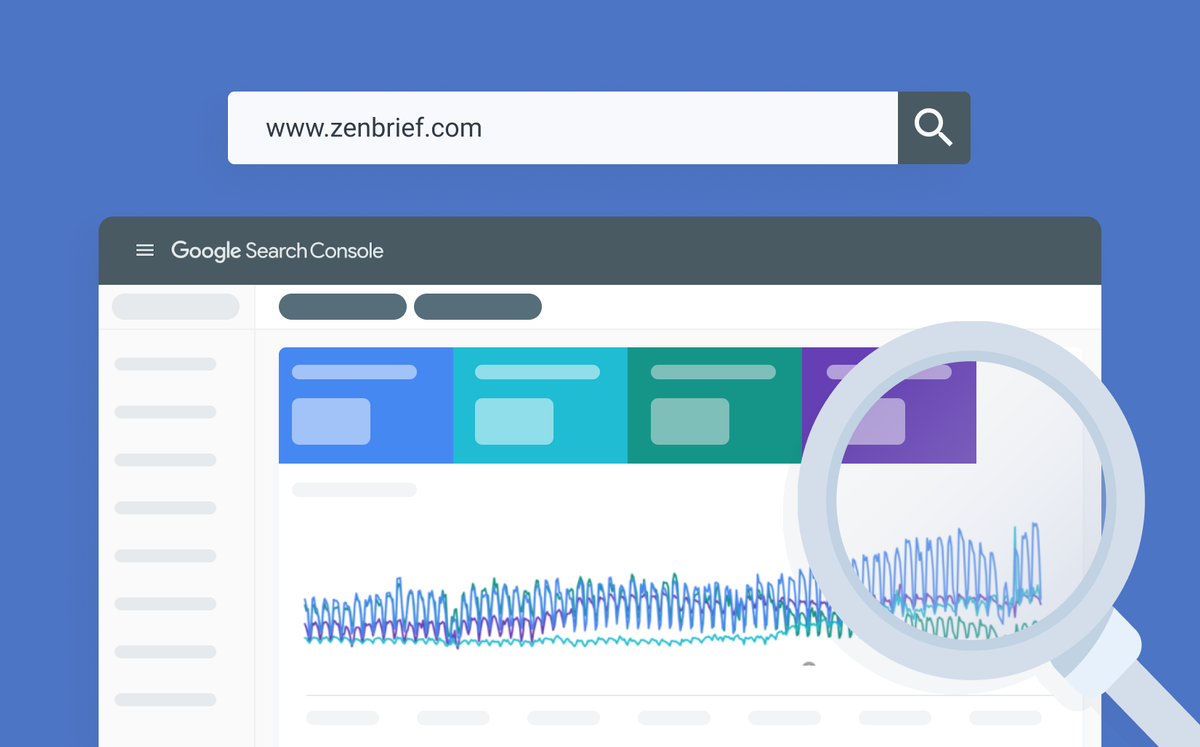
Use it to mine real, on-site query signals and low-friction CTR improvements. Export the Performance report filtered to Queries and Pages, then sort by impressions and CTR change over the last 28 days to spot under-optimized pages that can convert better with a tighter headline or product image.
- Tactical tip: Create a CSV with Query, Page, Avg Position, and CTR, then map the highest-intent queries as primary headlines and supporting bullets for quick landing page drafts.
- Strengths: Free, actual user queries, and direct signals you can act on immediately.
- Limitations: No CPC numbers and limited historical granularity.
- Quick query to run: Filter Queries containing product SKUs or product attributes to find intent-rich phrases buyers already use.
2. Google Keyword Planner

Best for raw CPC benchmarks and short-term traffic forecasts tied to ad behavior. Use the Forecasts tool to test a small bid for each candidate phrase and view the estimated clicks and cost range for a 7- to 14-day window, helping you set a defensible test budget before ads go live.
- Practical workflow: Pull CPC, competition, and forecasted impressions, then rank phrases by expected cost-per-click relative to your unit margin.
- Strengths: Direct access to Google Ads data; free with an Ads account.
- Limitations: Coarse granularity for low-volume long tails, and you must translate planner outputs into creative hooks manually.
3. Ahrefs

Ahrefs excels at breadth and SERP-level competitive context, making it a go-to when you need lots of candidate phrases fast, exceptionally long tails. I used Ahrefs, with a database of over 10 billion keywords as the anchor text to clearly convey the key statistic while keeping the sentence natural and professional.
Leveraging Keyword Explorer for Content Strategy
Use Keyword Explorer to run a candidate product term, then filter for KD (keyword difficulty) under your threshold, and export the Questions and Phrase Match lists to create headline and FAQ variations.
- Strengths: Deep keyword index, solid backlinks, and competitor signals.
- Limitations: Cost for full access; beware of over-collecting keywords that slow decision-making.
- Practical search: Run a seed term, then export "Also rank for" and "Parent topic" to collect supporting messaging angles for product pages.
4. Helium10
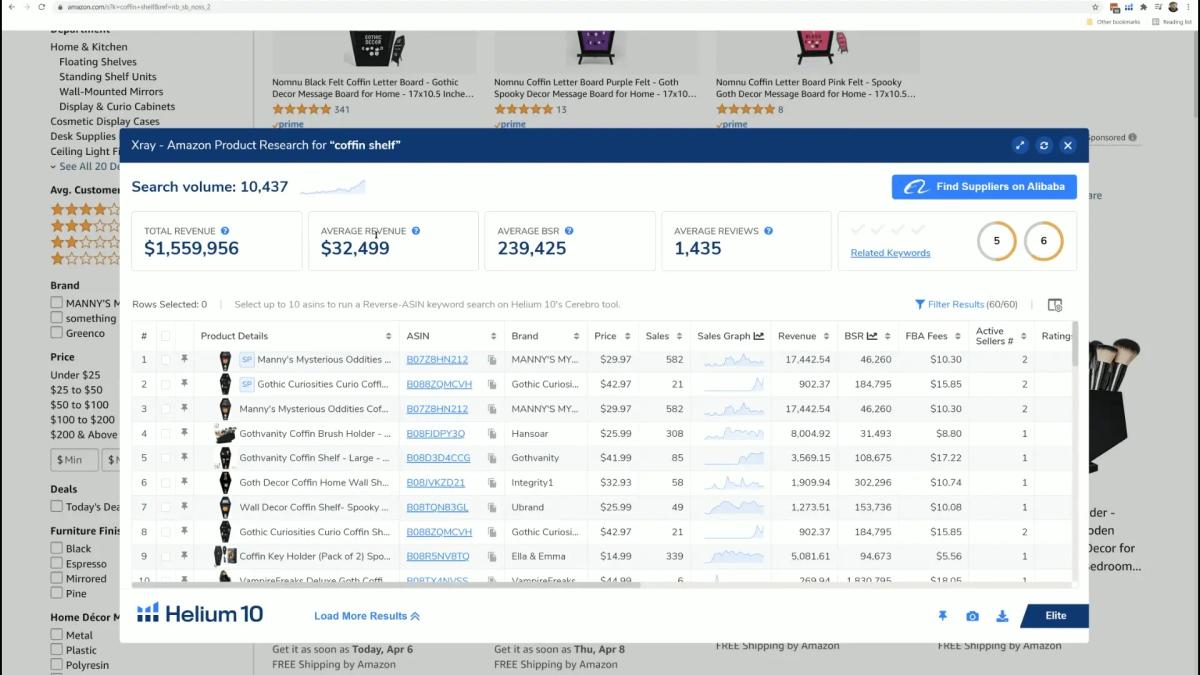
Amazon-first sellers will value Helium10 for attribute-level queries and reverse-ASIN intelligence; it extracts buyer phrases embedded in listings and reviews that map directly to product features and objections. Use Cerebro to pull competitor ASINs, and Magnet to expand long-tail modifiers such as material, color, or problem-solution phrases.
Adapting Amazon Insights for Shopify Conversion
For dropshippers on Shopify, the tactic is to harvest feature phrases and buyer objections from Helium10, then translate them into benefit-driven bullets and ad hooks that speak the same language as Amazon buyers, which often convert well on merchant product pages as well.
- Strengths: Product-detail granularity and review mining.
- Limitations: Optimized for Amazon, so you’ll need to adapt phrasing for non-Amazon SERPs and ads.
Most teams export everything into sprawling spreadsheets because it feels familiar and safe. That approach works at first, but as products multiply, the sheets fragment, handoffs slow, and keywords never make it into live pages quickly.
CSV-Driven Keyword-to-Draft Automation
Platforms like PagePilot offer an alternative approach: teams can format a simple CSV with columns for the primary keyword, two support keywords, three bullet points, and negative keywords, and the platform ingests it automatically, turning keyword outputs into ready-to-publish drafts in minutes while preserving audit trails.
5. SEMrush

SEMrush is the workhorse for cross-competitor gap analysis, multilingual research, and SERP feature awareness. Use Keyword Magic to cluster semantic groups, then run Keyword Gap against three competitors to find shared winning phrases you do not yet own. Its intent tagging and SERP feature flags help you prioritize phrases where product pages can realistically displace existing results.
- Strengths: Competitor gap analysis and international coverage that support geo-targeted campaigns.
- Limitations: A feature-rich interface can be overwhelming at first; use strict filters to keep lists small and actionable.
6. KWFinder

When you want clean long tails with a reliable difficulty signal, KWFinder is fast and focused. Filter for low difficulty, then sort by trend momentum for the last 3 months to surface phrases that are small but scaling. Use KWFinder to identify the two supporting long-tail terms you will A/B test in the headline and image caption, as these micro-changes tend to show conversion deltas quickly.
- Strengths: User-friendly UI, strong for niche discovery.
- Limitations: Smaller index than enterprise platforms, so use it to complement larger datasets rather than replace them.
How to Use These Tools Together Without Losing Speed
Pattern recognition matters more than tool envy. A practical combo is: use Keyword Planner for CPC sanity checks, Ahrefs or SEMrush for breadth and competitive context, and KWFinder or Helium10 to harvest high-converting long-tail and product-attribute phrases. Keep each tool’s output to a short set of actionable fields, then move those fields into your page generation pipeline. This keeps research tactical, not decorative.
A Clear Execution Checklist (So You Ship Pages)
- Pick the tool that gives the missing signal you need, not every tool.
- Export four columns at minimum: Primary Keyword, Support Keyword 1, Support Keyword 2, and Negative Keywords.
- Run a 48-hour micro-test with one headline and one image variant using the primary keyword.
- Mark results and fold winning phrases back into your catalog as prioritized product-page templates.
A Practical Analogy to Lock This In
Think of keyword research as prepping a camping kit for a single overnight trip, not stocking a warehouse. You only need what keeps you warm and gets you home. The faster you choose those few items, the sooner you learn if the route is worth repeating.
One Human Pattern That Matters
This challenge appears across early-stage stores and ad-first shops: teams are optimistic about tool output, then frustrated when the work does not translate into faster tests. That frustration stems from treating keyword research as a separate deliverable rather than an input you route directly into page and creative generation, which is why keeping exports small and actionable is non-negotiable.What’s next will show how a single, disciplined file format turns keyword decisions into live experiments faster than you expect.
Related Reading
- How to Automate Shopify Dropshipping
- What Should I Name My Dropshipping Store
- Branding Dropshipping
- How to Drive Traffic to Shopify Store
- How to Make Ads for D
- Google Trends Dropshipping
- Best Dropshipping Video Ads
- Dropshipping Keyword Research
Start a FREE Trial and Generate 3 Product Pages with Our AI Page Builder Today
We watch teams route keyword choices through spreadsheets and wait days for pages to go live, which burns ad spend and muddies the conversion signals you need to act on quickly, platforms like PagePilot flip that drag into momentum.
Simply feed a competitor or supplier URL, and the AI builds a conversion-focused product page and upgraded product images so you can test long-tail keywords, headlines, and ad creative variants in minutes. You can start a free trial to generate three product pages with no credit card required.