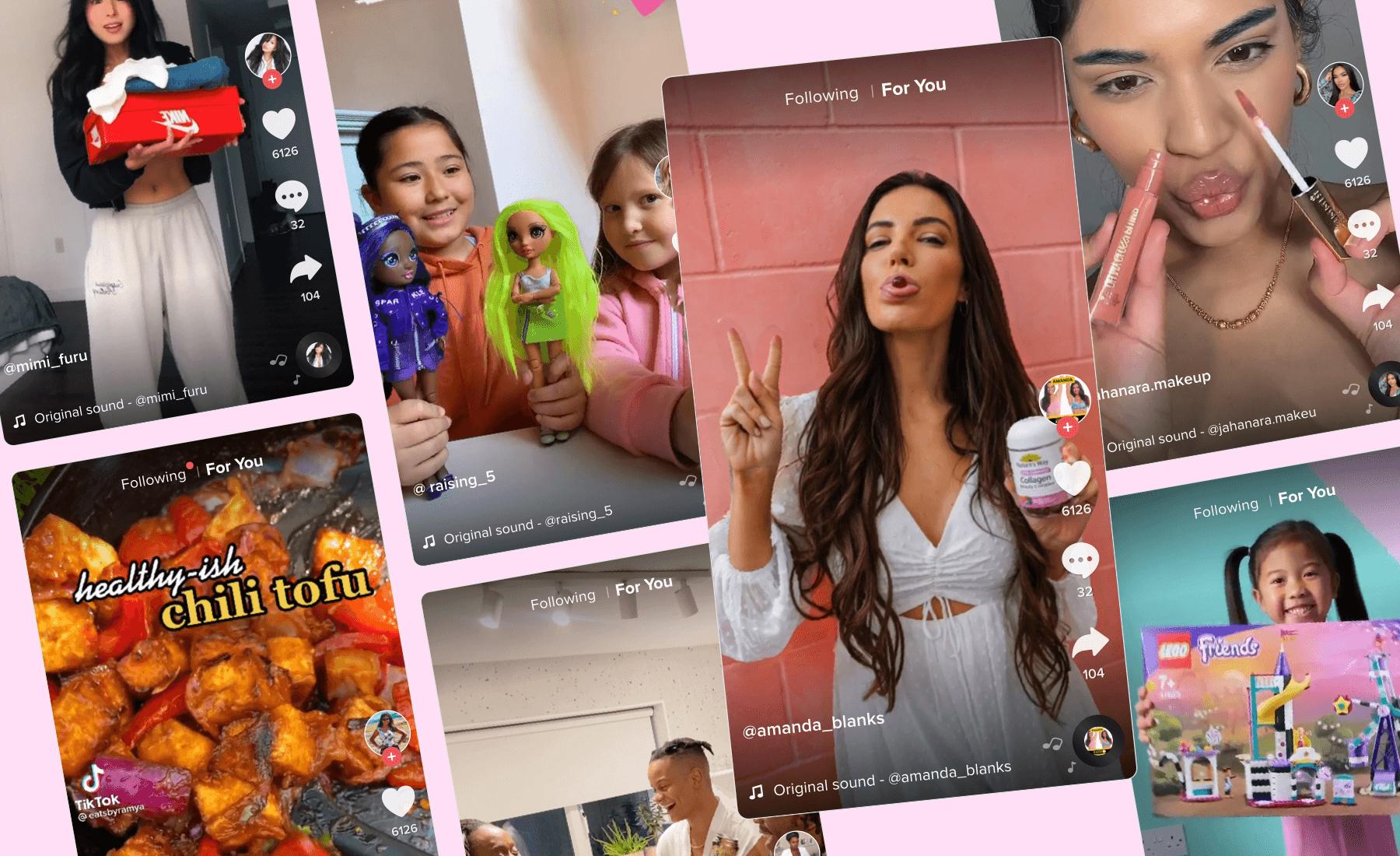
Your store has a winning product, but ads bring clicks, not purchases, and your cost per sale keeps rising. TikTok offers short-form product videos, user-generated content, creator partnerships, precise targeting, and pixel tracking that can change those results when you fold them into a clear dropshipping marketing strategy. Want to know how to make TikTok ads for dropshipping businesses that actually convert, with repeatable creatives, audience setup, budget rules, and A/B testing you can run today? This article walks through campaign setup, ad formats, copy and creative tips, optimization tactics, and ways to boost ROAS so you can scale with confidence. PagePilot's AI page builder helps you turn ad traffic into higher converting product pages, generate landing content, and run simple split tests without code, so you learn how to make TikTok ads for dropshipping businesses and improve conversions faster.
Summary
- TikTok rewards novelty and speed, so launch one strong hook, measure for 3 to 7 days, then swap creative or offer based on conversion movement, with TikTok ad engagement averaging 5.3%.
- Ad-to-page alignment is decisive; when creative and landing page match, teams have recorded up to a 50% increase in conversion rates, otherwise winning ads often fail at checkout.
- Treat clips as experiments, not polished ads: run three micro-variants and 3 to 5-day test windows per variant to validate an angle before investing in a polished hero creative.
- Split the audience in parallel, running a creative-driven cold test and a creator-amplify test. Scale geography in steps, leveraging TikTok's reach figures that can exceed 2.1 billion users worldwide.
- Make tracking airtight with UTM parameters that include market, creative_id, landing_page_id, and mapped pixel events, so CPA swings trace back to a single video or page. Remember that users spend about 22 minutes a day on TikTok, so hooks must earn attention quickly.
- Protect CPA as you scale by rotating angles, retiring the worst-performing clips, and testing urgency lines that can move conversion from 1.5 percent to 3 percent while throttling spend increases.
This is where PagePilot's AI page builder fits in: it automates conversion-aligned product page creation and generates matching ad creatives, compressing page builds from days to minutes.
What are TikTok Ads?
TikTok Ads are paid short-form video placements and native formats that run in users’ feeds and discovery surfaces, designed to grab attention and drive actions such as site visits or purchases.
They come in multiple creative shapes and targeting options, so you can run rapid, measurable tests that either produce clear wins or tell you what to change next.
How Do Tiktok Ads Fit Into A Fast Dropshipping Test Loop?
When we ran short creative cycles for new products over a single week, the pattern became clear: the platform rewards novelty and speed, not polished perfection.
That means you want to iterate:
- Launch one strong hook
- Measure for 3–7 days,
- Swap creative
- Offer based on what moves conversion numbers
Use simple variants of the same concept rather than reinventing the wheel each time; small changes to:
- Angle
- CTA
- Product framing
It usually yields the most significant lift.
Why Does Scale And Engagement Matter For Ecommerce Testing?
TikTok ads have a potential reach of 1 billion users worldwide, providing dropshippers with a large discovery pool to surface niche winners quickly. And because the average engagement rate for TikTok ads is 5.3%, higher than other social media platforms, you can get statistically meaningful signals from smaller budgets, letting you tell a real winner from noise faster.
What Do Most Merchants Do, And Where Do They Break?
Most teams launch with one landing page and one creative because it is familiar and requires minimal setup. That works until conversions stall, and media spend keeps climbing with no clear signal, because fragmented processes create long lead times between an idea and a validated result.
Solutions like PagePilot.ai remove that choke point, extracting product details and automatically assembling conversion-optimized pages and matching ad creative, compressing a process that used to take days into minutes so you can test more ideas before your budget runs out.
Which Ad Formats Matter For Quick Wins?
Pattern recognition is ruthless, so rotate formats:
- Use in-feed video for direct response
- Spark Ads to boost creator content
- Short UGC-style clips to lower creative friction
Treat each format as a distinct hypothesis about attention and intent, and design the landing experience to match that hypothesis rather than shoehorning everything into a single generic page.
How Should You Judge Whether A Tiktok Ad Test Worked?
Start with simple, comparable metrics:
- Click-through rate
- Cost per click
- Landing-page conversion rate
- Cost per purchase
For early tests, prioritize movement in conversion rate and cost per purchase over vanity metrics; a 20 percent conversion lift on a cheap creative swap beats a glossy video that only increases views. It’s exhausting when creative keeps failing, and that fatigue is usually a symptom of testing too slowly or holding onto a single page and creative for too long.That quick loop feels smart now, but what most teams still miss is the one thing that forces a rethink of the whole approach.
Related Reading
- Is Shopify Only for Dropshipping
- Shopify vs WooCommerce Dropshipping
- How to Start Digital Dropshipping
- Dropshipping Mistakes
- How to Succeed in Dropshipping
- Branded Dropshipping
- Ghost Dropshipping
Why Use TikTok Ads for Dropshipping
Large, Engaged User Base
TikTok has quickly become one of the most popular social media platforms, with more than 1.5 billion monthly active users worldwide as of February 2025.
TikTok statistics show that the app’s user base is highly engaged, spending almost an hour per day on the platform. This level of engagement offers brands the opportunity to reach a vast and attentive audience.
Plus, TikTok’s user demographics skew toward younger generations, making it an ideal platform for companies targeting:
- Millennials
- Gen Z
- Gen Alpha
Creative, Interactive Ad Formats
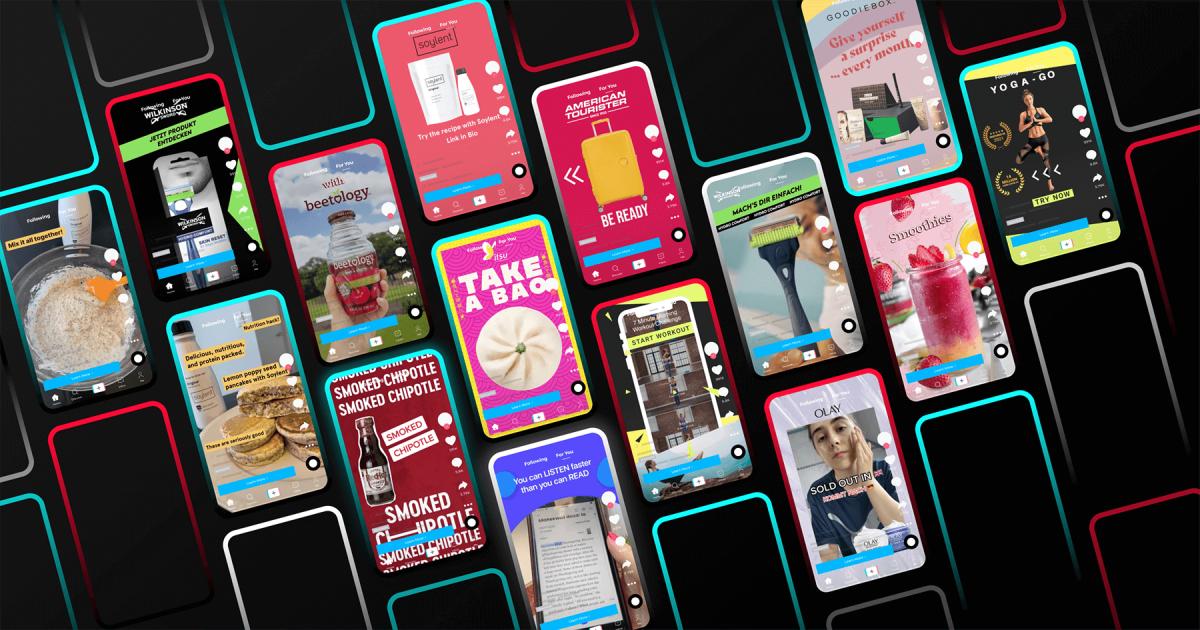
The TikTok ads platform offers a range of creative and interactive ad formats, including video shopping ads that help ecommerce companies showcase their products in action. Branded hashtag challenges encourage user participation and can help brands create viral content and increase brand awareness.
Precise Targeting Options
TikTok’s targeting capabilities let you reach your exact audience. The platform’s ad targeting dimensions include:
- Demographics
- Interests
- Behaviors
- Device types and more
You can also create custom audiences based on user engagement with similar content or hashtags. For example, if you’re an ecommerce brand that sells eco-friendly beauty products, you could use TikTok ads to target users who have engaged with content related to:
- Sustainable living
- Clean beauty
- Self-care
Detailed Analytics And Reporting
TikTok’s flexible budgeting options make its ad platform accessible to businesses of all sizes. You can set daily or lifetime budgets for your TikTok ad groups and choose between various bidding strategies based on your campaign goals.
Plus, TikTok’s detailed analytics and reporting let you track and measure campaign performance in real time so you can optimize for the best ROAS.
Types of TikTok Ads for Dropshipping Businesses

There are five practical TikTok ad types you’ll use as a dropshipper, each testing a different marketing hypothesis:
- Attention
- Creator trust
- Mass visibility
- Community participation
- Interactive try-on
Pick the format that:
- Match the hypothesis you want to validate
- Design the creative
- Targeting
- Landing page around that single question
Non-Spark In-Feed Ads
What Problem Does This Format Solve For My Brand?
Non-Spark in-feed ads give you total control over:
- Creative
- Copy
- Landing-page experience
It is exactly what teams need when they want consistent brand messaging at scale.
Treat the ad like a compact product page:
- 3–7 second hook
- One precise benefit
- One social proof moment
- A direct CTA that mirrors the landing page headline
For dropshipping, test two CTAs only, measure landing-page conversion rate and cost per purchase, and swap either the hook or the offer every 3–5 days to keep the signal clean.
Spark Ads
When Should I Amplify Creator Content Instead Of My Own?
Use Spark when you already have high-converting organic posts or a paid influencer partnership you want to stretch further without re-editing. Spark preserves the creator frame and social proof, thereby building trust without sacrificing the authenticity that drives click-throughs.
If your conversion signal comes from trust and narrative rather than a single-product demo, promote the post rather than rebuild it, and align the landing page with the creator’s angle rather than a generic product sheet.
TopView Ads
When Is It Worth Paying For Full-Screen Attention?
TopView is for one-shot, big-impact moments to seed broad awareness quickly:
- Product launches
- Seasonal promos
- When you need it
It hides UI for the first seconds and forces eyes on your creative, so you must front-load a single, unforgettable visual and a simple value proposition. Because TopView requires eligibility and usually a higher CPM, use it only after you know your creative-to-page loop works on a smaller scale; otherwise, you pay a lot for an unproven hypothesis.
Branded Hashtag Challenges
How Do I Convert Participation Into Product Interest?
Challenges are community-first plays that convert best when the mechanics tie directly back to product use. Design the challenge so that the easiest participation equals a product demonstration.
Offer a small reward or feature the best user clip in your store to close the loop between UGC and purchase intent. Track submissions, hashtag impressions, and, crucially, conversion lift for users who engage versus those who just view.
Branded Effects and Filters
When Will AR or Filters Improve Conversion?
Effects are an acquisition lever for categories where “try before you buy” matters, like:
- Fashion
- Eyewear
- Décor
Build an effect that shortens the decision path, for example, an AR try-on that answers a single purchase barrier. Measure time-on-effect, shares, and subsequent click-throughs to your product page; if effect engagement doesn’t move downstream metrics, it’s a content play, not a conversion play.
The Ad-to-Landing Page Alignment: Why Message Match Kills Conversions
This pattern appears consistently across small stores and fast-launch teams: they treat each format as interchangeable, then wonder why conversions stall.
The failure point is usually a mismatch between the ad hypothesis and the landing page experience, which kills a winning test faster than a poor creative. Fix alignment first, then scale the format that proved the hypothesis.
The Velocity Bottleneck: Why Manual Landing Page Updates Kill Test Speed
Most teams handle landing pages with separate tools and manual edits because they are familiar and don’t require new workflows.
That works at first, but as you:
- Run more ad permutations
- Page updates pile up
- Review cycles stretch
- You lose velocity
Tests that should take days become multi-week bottlenecks.
Platforms like AI page builders centralize:
- Page creation from product inputs
- Apply proven conversion patterns
- Bundle matching creatives
It lets teams compress launch time from days to minutes while keeping message consistency across formats.
The Scale and Engagement Advantage: Why TikTok Data Enables Rapid Niche Testing
Because reach matters for sampling different audiences, remember that Bind Media's 2024 figure shows that TikTok Ads have a potential reach of over 1 billion users worldwide, which means you can find niche winners quickly if your creative and landing pages are aligned.
Also, in the same article, you find that the average engagement rate for TikTok Ads is 5.3%, which is higher than other social media platforms. You can often get reliable engagement signals from modest budgets and use that to justify short, rapid test windows.
A Quick Creative Checklist To Use Across Formats
- Hook: First 3 seconds promise the outcome.
- Proof: One social proof element within 5–8 seconds.
- Offer: Clear pricing or urgency if you want to make an immediate purchase.
- Landing match: Use identical headlines, hero images, and CTAs to avoid friction for the audience.
- Test cadence: 3–7 days per variant, then iterate on angle, not every asset.
Ad Formats as Specialized Tools: Aligning the Wrench to the Bolt
Think of ad formats like tools in a mechanic’s kit, each built for a specific job; triply ensure the bolt you’re tightening is the same shape as your wrench. The surprising part is how often format choice reveals a deeper mismatch in messaging and measurement, and that’s where things get complicated, and unexpectedly human.
From Days to Minutes: Eliminating the Creative Bottleneck with AI Automation
Our AI Page Builder will help you test products and angles far faster than before. Just give our AI a competitor or supplier URL, and it will create a high-converting product page using the information from that website.
Our AI Product Image function will upgrade product visuals so you are not competing with the same copy or images as your competitor. Start a FREE Trial and generate 3 product pages for free today (no credit card needed).The twist is brutal and straightforward: what feels like progress often masks the real bottleneck, and when you remove that bottleneck, the whole experiment suddenly changes.
Related Reading
- SEO for Dropshipping
- Facebook Ads for Dropshipping
- Dropshipping Keyword Research
- Google Ads for Dropshipping
- Organic Dropshipping
- How to Start Dropshipping Business
How to Make TikTok Ads for Dropshipping Businesses
You win on TikTok by treating each ad as a hypothesis, wiring your measurement to prove or disprove it quickly, and matching the landing page to that exact hypothesis so traffic converts.
Prioritize:
- Event-level tracking
- Clear UTM naming
- Segmented retargeting
You will stop guessing and start scaling.
How Should I Map Creative To On-Site Events?
Start by deciding which pixel event actually proves value for this product, then make that the primary optimization signal. If you cannot get reliable purchases yet, optimize for Initiate Checkout or Add To Cart, but plan to switch to Purchase as soon as you hit a conversion threshold.
Use server-side or the Conversion API, where possible, to prevent the feed from dropping due to browser blocking.
Label creative variants with a unique UTM creative_id and map that ID to the pixel event, so every change in CPA can be traced back to a single:
- Video
- Angle
- Price
Which Audience Slices Reveal Product/Angle Fit Fastest?
Make two audience plays in parallel, not one after the other. Run a creative-driven cold test that targets interests plus 3-second video viewers, and a creator-driven test that amplifies video engagers and visitor-based retargeting lists.
Exclude recent purchasers and build lookalikes from the small winning pool, then expand by geography in controlled steps.
From Noise to Signal: The Power of Focused Seed Audiences on TikTok's Scale
This pattern appears consistently across early-stage stores: when teams throw all budgets at broad audiences, they get noisy signals; when they split into focused seed audiences, winners surface with far less spend.
Remember, TikTok’s scale matters here, because Zeely AI reports that the platform reaches more than 2.1 billion users worldwide, meaning even narrow niches can be sampled quickly.
How Do You Organize Tracking So Tests Do Not Lie To You?
Adopt a simple naming and reporting taxonomy from day one, and stick to it. Use UTM parameters that:
- Capture market
- Creative_id
- Landing_page_id
- Test_phase
Feed these into a single view in your analytics tool so you can compare apples to apples. Run cohort comparisons, for instance, traffic from creative A to page X versus creative B to page Y, rather than aggregating mixed cohorts that mask which element actually moved conversion.
Also account for time-on-platform: users spend attention in different rhythms, and the average session length matters for hook design, since Zeely AI finds users spend about 22 minutes a day on TikTok, so your creative must earn a quick decision within that browsing window.
What Budget And Pacing Choices Avoid Wasted Spend?
This is the hard, emotional part for most teams: setting budgets too low starves the auction and leaves you with noisy data, while budgets that are too high pour money into bad creatives. The familiar approach is to run one budget and hope, because it is simple and low-friction. That works at first, but as you multiply creative variants and geos, spend fragments, review cycles lengthen, and momentum dies.
Platforms like AI page builders offer a different path:
- They extract product details
- Assemble conversion-optimized pages
- Generate matching creatives automatically
It compresses the time from idea to live test from days to minutes while maintaining message alignment across ads and pages. The hidden cost of the familiar method is not just slow launches; it is repeated creative waste and fragmented attribution that look like bad product fit when they are really process drag.
How Do You Keep Creative Fresh And Avoid Fatigue Without Burning The Account?
Treat rotation like a pump, not a firehose. Do smaller, regular creative drops and retire the worst-performing clips instead of endlessly refreshing the same headline. Pair each new creative with a single landing page variant and a short accountability window, then archive it if it does not beat the control.
Think of the process like tuning a race car, incremental tweaks to tires and angle until lap times improve, rather than swapping the whole engine for a useless part.
Practical Checklist You Can Implement In A Single Afternoon
- Create one clean UTM standard and apply it to every ad before launch.
- Set pixel events and prioritize the highest-fidelity event you can get, then document when you will switch optimization to Purchase.
- Split audiences into cold-test and creator-amplify pools with explicit exclusion rules.
- Use server-side tracking and a single analytics view to compare cohorts, not aggregated buckets.
- Schedule creative drops and pair each clip with a dedicated landing page to ensure one-to-one attribution.
Automating Differentiation: Using AI to Outperform Competitors' Copy and Visuals
PagePilot's AI page builder will help you test products, ideas, and angles far faster: paste a competitor or supplier URL and it will auto-create a high-converting product page and upgrade visuals with AI product-image improvements so you are not competing with the same copy or photos.
Start a FREE Trial and generate 3 product pages for free today, no credit card needed.That setup will get you early wins, but one subtle mismatch between creative, audience, and attribution will erase those gains faster than you expect.
5 Best Practices for Using TikTok Ads for Dropshipping
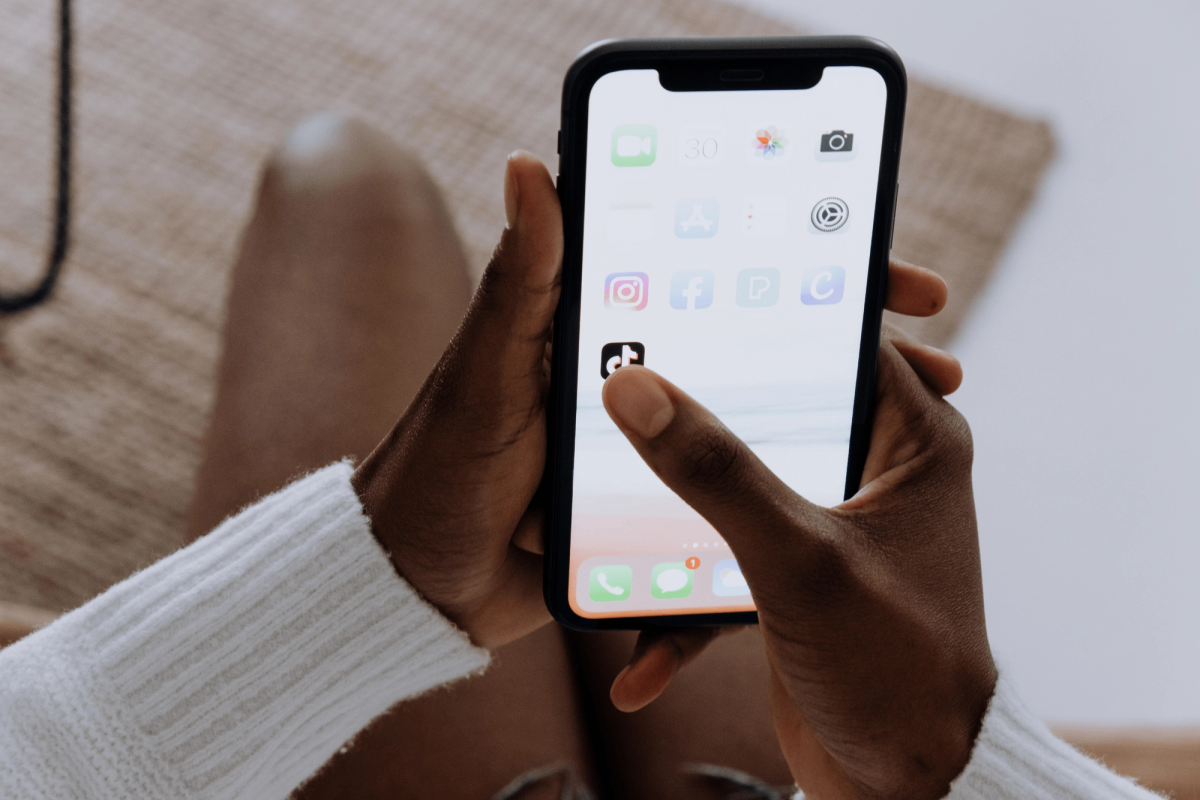
TikTok ads work when you treat each video as a tightly scoped experiment that maps directly to a single landing-page promise, and then iterate fast on what moves the needle on conversion.
Use these five practices as your operating rules; each one cuts friction in a test loop so you learn faster and spend less on wasted creative.
1. Use Trending Sounds to Increase Reach
TikTok’s ranking favors native audio patterns, so a trending sound can push your clip into organic distribution beyond paid delivery, turning a paid test into a broader discovery signal.
How To Do It
Find niche-relevant audio in TikTok’s Creative Center, then build a 10–15 second cut that syncs product moments to the beat. Start the video on the beat drop or a visual transition that matches the audio’s signature, so the hook and the sound arrive together.
Pro Tip
Pair a trending sound with a short emotional switch, like a quick problem-to-result beat, and test three different sound choices per creative batch to see which one amplifies CTR and time-on-ad.
2. Make Your Ads Look Native, Not Corporate
Users skip anything that reads like an interruption.
- Lowers friction
- Increases watch-through
- Primes viewers to click without feeling sold to
How To Do It
Use vertical framing, minimal text overlays, and footage that mimics organic clips:
- Imperfect camera moves
- Natural lighting
- Short reaction moments
Open with a relatable scene or question, not a product announcement.
Pro Tip
Watch ten top-performing clips in your micro-niche and copy the rhythm and framing, not the exact language. Emulate cadence, not lines, to keep authenticity.
3. Short, Fast, and Punchy Wins
Attention on the platform is earned in the first two to three seconds. If you do not deliver a clear, relatable promise immediately, the algorithm and the user both move on.
How To Do It
Lead with outcome, not product. Use on-screen text to reinforce the promise, then present a single quick proof point. Keep the total runtime under 20 seconds for direct-response tests, and produce three micro-variants that differ only in the hook.
Pro Tip
Treat clips as experiments:
- Launch
- Measure 3–5 days
- Retire or scale
Shorter treatments let you spin new angles without heavy production costs.
4. Create Urgency or Exclusivity
A time-pressed or limited offer simplifies the decision calculus and increases the likelihood that a viewer who clicks converts on the landing page rather than deferring.
How To Do It
Use honest scarcity copy like, Only for TikTok, Limited drop, or Offer ends tonight. Put a live countdown or stock-level indicator on the product page so the promise in the ad carries through to the checkout moment.
Pro Tip
Test urgency copy as its own variable, separate from the hook and proof. A different urgency line can turn a 1.5 percent converter into a 3 percent converter overnight.
5. Retarget Smarter, Not Harder
Most purchases require repeated exposures. Smart retargeting turns warm interest into revenue without constantly inflating cold-bid spend.
How To Do It
Install the TikTok Pixel and map high-fidelity events, then build audiences for site visitors, cart abandoners, and 50 percent+ video watchers.
Use sequential messaging:
- An initial proof clip for visitors
- A benefits-plus-offer clip for cart abandoners
- A testimonial clip for the final push
Pro Tip
When you have a winning creative-to-page pair, scale the retargeting window gradually and introduce a fresh social-proof variant every 5–7 days to avoid fatigue.
The Hidden Cost of Static Pages: Wasted Spend from Ad-to-Page Mismatches
Most teams test creatives but keep landing pages static because it is familiar and low-friction. That works when you run one hypothesis, but as variants multiply and geos expand, manual page edits introduce headline and offer mismatches that leak conversion.
The hidden cost shows up in noisy cohorts and wasted spend when you think a product failed, but really the message alignment did.
Platforms like PagePilot compress that loop by:
- Auto-generating aligned
- Conversion-optimized product pages and matching creatives
It reduces page-creation time from days to minutes, so you can keep the ad-to-page message identical as you iterate.
How To Sequence Tests So You Do Not Waste Budget
Start with one hook and three short creative variants, map each to a single landing page, and optimize the pixel for the highest-fidelity event you can get while still producing a meaningful signal.
If purchases are rare, optimize for Initiate Checkout until you hit a statistically valid purchase rate, then switch to Purchase. This constraint-based pacing prevents you from starving the auction with tiny budgets or overspending on unproven creatives.
Where Teams Trip Up And How To Avoid It
The usual failure mode is mixing multiple hypotheses into a single test all at once:
- A different hook
- A different CTA
- A different landing page
That produces ambiguous results.
Instead, change:
- One variable at a time
- Hold the rest constant
- Label every asset with a clear UTM naming convention
Its attribution is one-to-one. Think of it like tuning a stereo: tweak one knob and listen; do not turn four at once, and guess which improves the sound.
How To Keep Creative Costs Low While Iterating Fast
Use short UGC treatments for early tests, then invest in a polished hero only after you prove a winning angle. Leverage audio trends and minor edits to refresh the duplicate core footage. That way, you burn dollars testing voice and offer, not production gloss.
Why This Matters Now
TikTok drives real purchases; TikTok for Business reports that over 50% of TikTok users have purchased a product after seeing it advertised on the platform, indicating that a well-aligned ad and landing page loop converts at scale. When you get that loop right, conversion uplifts are dramatic, and Dropship Spy documents brands seeing a 50% increase in conversion rates, so the payoff for disciplined testing is real.
Pattern-Based Insight From Practitioners
This pattern appears across early-stage stores and scaled accounts: when teams split budgets into focused seed audiences and keep the ad-to-page promise identical, winners surface on modest spend.
When budgets are scattered, and page messages differ, signals drown in noise. Fix message alignment, and your tests will tell the truth faster.
The Funnel Handoff: Why Friction Between Creative, Page, and Retargeting Kills the Race
Think of your testing loop like a relay race:
- The creative sprints the first leg
- The landing page takes the baton
- Retargeting crosses the finish line
If your handoff fumbles, the fastest sprinter still loses the race.But the real friction is quieter and more complicated to spot, and it will decide whether your next test becomes a win or another expense.
Related Reading
- How to Automate Shopify Dropshipping
- What Should I Name My Dropshipping Store
- Branding Dropshipping
- How to Drive Traffic to Shopify Store
- How to Make Ads for Dropshipping
- Google Trends Dropshipping
- Best Dropshipping Video Ads
- Dropshipping Keyword Research
Start a FREE Trial and Generate 3 Product Pages with our AI Page Builder Today
If you want to test products and creative angles faster, PagePilot turns a competitor or supplier URL into a conversion-ready product page and automatically upgrades product images.
That removes the drag of manual page builds and recycled visuals so you can run more hypotheses, learn faster, and protect ad spend. Start a free trial and generate three product pages free today, no credit card required.