

Store owners waste hours each day sending emails, updating customer segments, and manually triggering campaigns, while competitors scale effortlessly. Most Shopify businesses lose sales not from a lack of customers, but from an inability to manage the repetitive tasks that drive conversions. Shopify Marketing Automation transforms stores into revenue-generating machines that operate around the clock, enabling growth without additional workload.
Smart automation tools understand customer behavior and create personalized experiences without complex workflows or expensive developers. Whether recovering abandoned carts, segmenting audiences by purchase history, or triggering high-converting email sequences, the right approach builds systems that continuously generate revenue. Businesses ready to automate their growth can leverage PagePilot's AI page builder to create intelligent customer experiences that convert while they sleep.
Table of Contents
Why Most Shopify Stores Struggle to Scale Marketing Manually
What Shopify Marketing Automation Actually Means
The Most Effective Shopify Marketing Automations
Why Most Merchants Automate the Wrong Things
The Real Competitive Advantage: Testing Faster Than Everyone Else
How PagePilot Helps You Launch and Test Marketing Campaigns Faster
Start a FREE Trial and Generate 3 Product Pages with Our AI Page Builder today
Summary
- Automated email workflows convert at an average of 2.11%, compared to just 0.16% for manually scheduled broadcast emails. Top-performing automated flows reach conversion rates of 4.30%, representing roughly a 13-fold improvement over standard campaigns. This performance gap exists because automated messages are triggered by customer behavior and arrive when customers are most likely to take action, rather than when the marketing team schedules a send.
- Cart abandonment represents one of the largest untapped revenue opportunities in ecommerce, with the average abandonment rate sitting near 70%. That means seven out of ten shoppers who start checkout never finish. Industry data consistently shows that abandoned cart emails recover roughly 10% to 15% of otherwise lost sales, making them among the highest-ROI automations available. The most effective sequences send three emails within 72 hours while the product is still fresh in the customer's mind.
- Marketing automation saves roughly 30% of operational time while generating substantially higher revenue than manually managed campaigns. For ecommerce brands managing multiple product launches, seasonal promotions, and customer segments, this efficiency becomes critical. The stores that scale successfully are often the ones that have built systems capable of delivering the right message to the right customer, at the right time, without requiring constant manual effort.
- Companies excelling at personalization generate 40% more revenue from those activities than average performers, while personalization can increase revenue by 5% to 15% depending on the use case. Most merchants send the same generic messages to every customer, creating efficiency but sacrificing relevance. The difference between effective and ineffective automation lies not in workflow logic but in whether the message resonates with the reader.
- Testing velocity creates competitive separation that compounds over time. A store testing five products monthly gets sixty chances to find a winner each year, while a store testing one product monthly gets only twelve. Most products fail regardless of the quality of preparation, making the number of experiments more valuable than the perfection of execution. 90% of executives believe the pace of technological change is accelerating, which means market preferences shift faster and messaging that worked last quarter stops resonating sooner.
- AI page builder compresses page creation from hours to minutes while maintaining conversion-focused layouts, allowing merchants to test multiple page structures weekly instead of spending days building a single variation.
Why Most Shopify Stores Struggle to Scale Marketing Manually
Most ecommerce founders believe growth requires doing more marketing: more campaigns, emails, ad creatives, and promotions. This works at first when small teams can manually handle emails, promotions, product updates, and customer communications.
🎯 Key Point: The manual marketing approach that works for small stores becomes the biggest bottleneck as you scale.
The problem emerges as the business grows. Every new customer creates more marketing opportunities and operational demands. Merchants juggle welcome emails, abandoned carts, post-purchase follow-ups, upsells, retention campaigns, product launches, and audience segmentation simultaneously. Marketing activity increases, but growth does not scale at the same pace.
"The complexity of marketing operations grows exponentially with customer base, while manual capacity grows linearly—creating an inevitable scaling bottleneck."
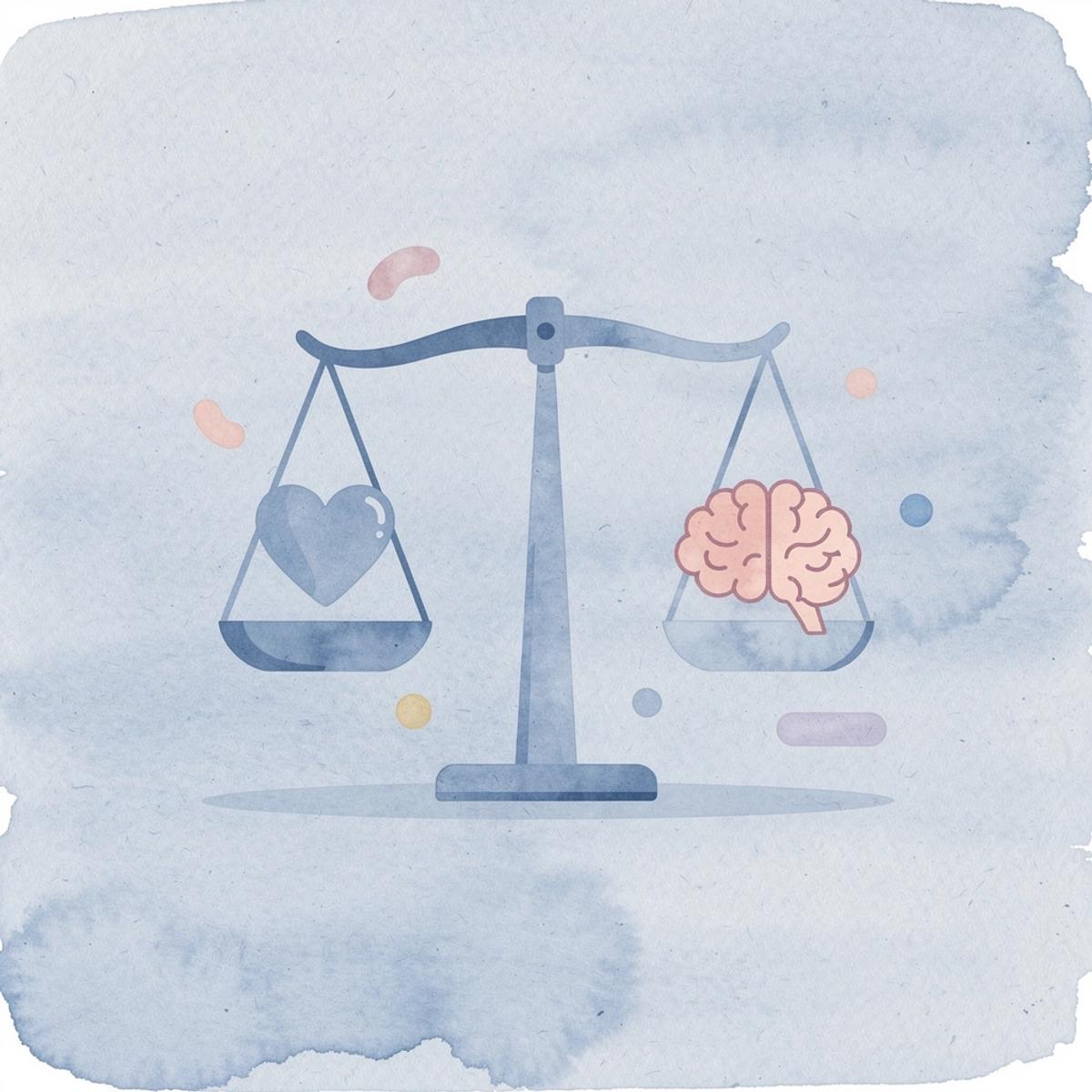
⚠️ Warning: Many Shopify stores hit a growth ceiling not because of market demand, but because their manual marketing processes can't keep up with increased customer volume.
Email Campaigns Require Individual Setup
Impact on Growth
- Delayed customer communication
Segmentation Done by Hand
Impact on Growth
- Missed targeting opportunities
Campaign Optimization Needs Constant Monitoring
Impact on Growth
- Reduced ROI and wasted ad spend
Customer Journey Mapping Becomes Overwhelming
Impact on Growth
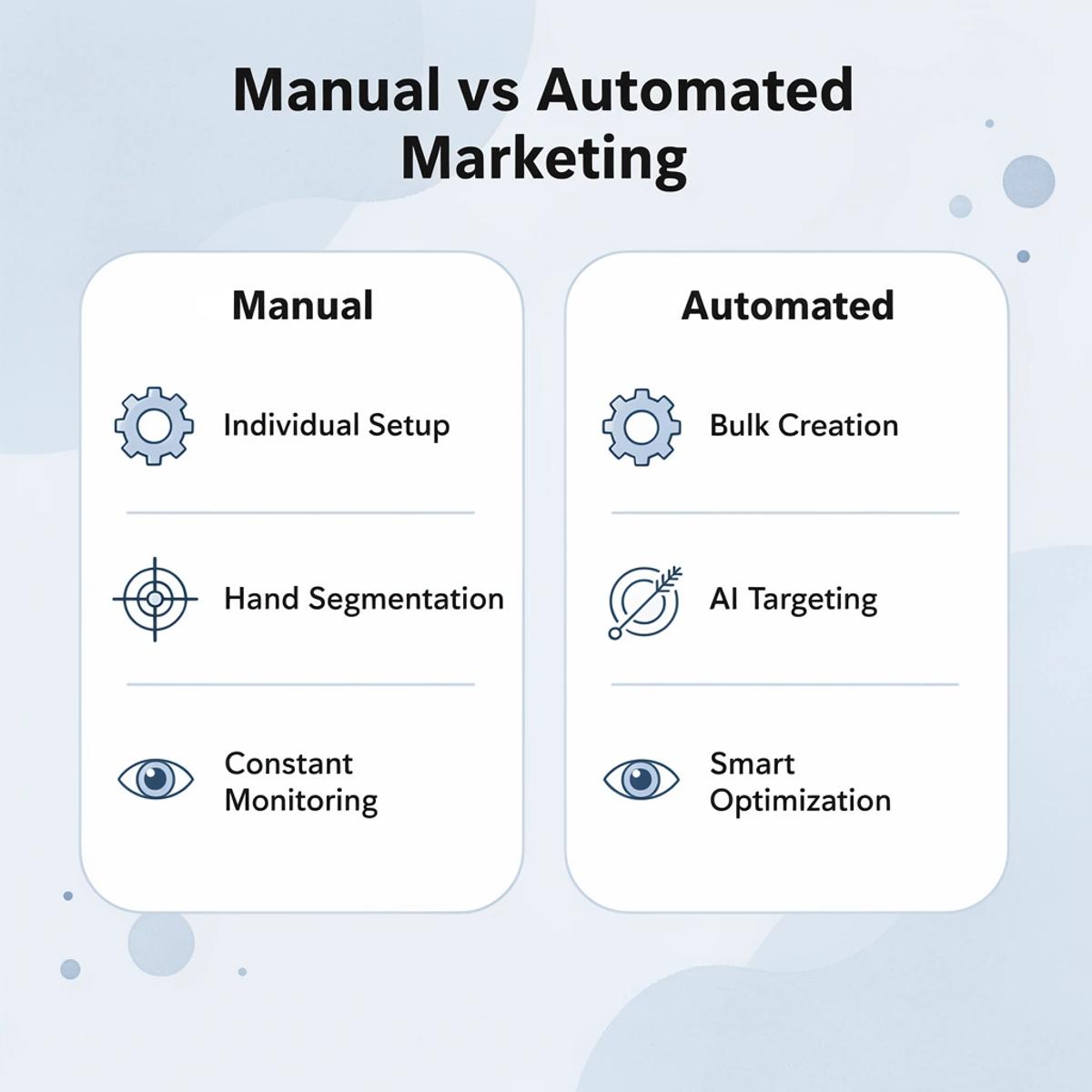
- Poor retention and lifetime value
When Customer Volume Outpaces Human Capacity
Marketing does not grow at the same rate. A store with 100 customers per month can handle communications by hand; one with 10,000 cannot. As the number of customers grows, so do decisions, touchpoints, and interactions: welcome sequences, abandoned cart recovery, post-purchase communication, cross-sell campaigns, win-back campaigns, product recommendations, and customer segmentation.
Managing these by hand becomes impractical. The challenge is how much work your team can handle, not how difficult the work is.
How does manual execution limit growth potential?
Many merchants respond by increasing workload: more campaigns, promotions, and content. But handling these manually consumes time better spent on critical activities: testing products, developing offers, improving conversion rates, creating better ad creatives, and expanding acquisition channels.
When founders get stuck doing repetitive tasks, growth slows. Automation exists because human attention is limited.
Why Behavior-Based Triggers Outperform Manual Broadcasts
Behavior-based marketing outperforms manually scheduled broadcasts. According to Klaviyo's email marketing benchmarks, automated flows achieve a 2.11% conversion rate compared to 0.16% for standard campaign emails. Top-performing automated flows reach 4.30%, a roughly 13-fold improvement.
Automated messages are triggered by customer behavior, arriving when customers are most likely to act rather than when the marketing team schedules a campaign. Abandoned cart recovery demonstrates this: delayed manual follow-ups reduce conversion likelihood, while automation ensures timely, consistent messages are sent.
The Compounding Cost of Manual Operations
Marketing automation saves time and increases revenue. Research from TechRadar shows that automated email workflows save marketers about 30% of their work time while generating significantly more revenue than manual campaigns. This freed time enables growth activities: testing products, improving offers, refining messaging, optimizing conversion rates, and launching new campaigns.
For ecommerce brands managing multiple product launches, seasonal promotions, and customer segments, this efficiency is critical. Growing stores succeed by building systems that send the right message to the right customer at the right time without constant manual work.
Related Reading
- Shopify Marketing Automation
- How To Set Up Email Marketing On Shopify
- Shopify Email Marketing Vs Klaviyo
- Shopify Social Media Marketing
- How To Advertise a Shopify Store
- Shopify Social Media Marketing
- Seo Marketing Shopify
What Shopify Marketing Automation Actually Means
Shopify marketing automation starts actions based on customer behavior without manual intervention. When a visitor abandons their cart, views a product repeatedly, completes a purchase, or becomes inactive, the system sends the appropriate response immediately. The merchant sets up the workflow once, and automation executes it consistently for every customer that matches those conditions.
🎯 Key Point: Automation operates on trigger-based logic—specific customer behaviors automatically initiate predetermined marketing responses, ensuring consistent engagement at scale.
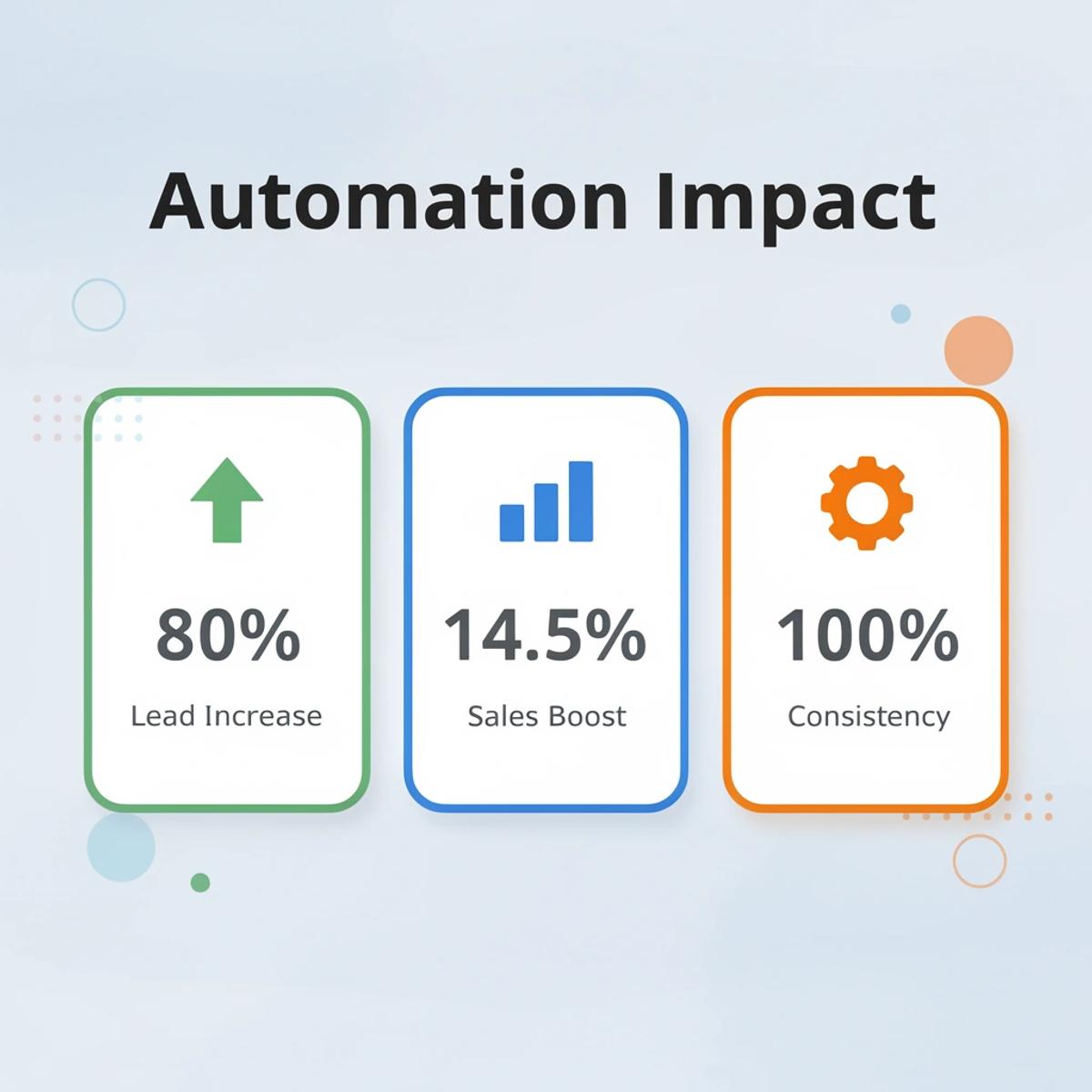
"Marketing automation can increase qualified leads by 80% and improve sales productivity by 14.5% when properly implemented." — Nucleus Research, 2023
Automation handles work at a large scale—it doesn't replace marketers. People decide on the offer, how to position it, what to say, who to reach, and the overall plan. Automation ensures that the plan works every time.
💡 Best Practice: Think of automation as your execution engine—you provide the strategic direction and creative messaging, while the system ensures flawless delivery to the right customers at the optimal moments.
Email Workflows That Respond to Behavior
Email automation handles repetitive touchpoints: welcome sequences for new subscribers, abandoned cart recovery, post-purchase follow-ups, and win-back campaigns for inactive customers.
These messages work because they arrive when customers are most likely to respond. According to Salesgenie, 80% of marketing automation users saw an increase in leads, primarily because behavior-based messages feel relevant rather than intrusive. A cart abandonment email sent 30 minutes after someone leaves your site outperforms a generic promotional message sent to your entire list on Tuesday morning.
How does SMS automation drive immediate customer engagement?
SMS automation uses text messaging for time-sensitive communications such as order shipping notifications, flash sale alerts, or VIP milestone messages triggered by customer actions. SMS open rates typically exceed email open rates, making it ideal for urgent updates and limited-time offers.
Why is retargeting essential for converting website visitors?
Retargeting workflows bring back visitors who leave without making a purchase. Most ecommerce conversion rates fall between 2% and 4%, meaning 96 out of 100 visitors need additional touchpoints before purchasing. Dynamic product ads, browse abandonment campaigns, and cart recovery sequences follow up based on what visitors viewed while browsing.
How does customer segmentation personalize marketing messages?
Customer segmentation groups users by purchase history, spending patterns, product interests, or engagement levels. A first-time visitor requires different messaging than a loyal repeat customer. Automation assigns segments automatically and delivers tailored messaging to each group without manual sorting.
How do product recommendations drive automated sales?
Product recommendation systems suggest relevant items based on browsing and purchase history. Frequently bought together offers, post-purchase cross-sells, and personalized collections appear automatically when customers meet specific criteria. Research from Shopify indicates that 77% of companies using marketing automation see increased conversions because these recommendations match customer interests rather than broad guesses.
What are lifecycle campaigns, and how do they work?
Lifecycle campaigns manage the customer journey from first visit through loyal advocacy. New visitors receive educational content, first-time buyers get onboarding emails, repeat customers see VIP offers, and inactive customers receive re-engagement campaigns. Each stage requires different messaging, and automation ensures customers receive communications suited to their current relationship with your brand.
Why does relevance matter more than efficiency in automation?
Automation ensures customers receive what they need through personalized experiences matched to their behavior, interests, and position in the buying process. Manual processes cannot scale to serve large customer bases this way. Automation delivers timely, relevant messages to each person, creating personalized experiences that manual work cannot sustain.
But knowing what automation can do matters less than knowing which automations increase revenue.
The Most Effective Shopify Marketing Automations
The best automations respond to things customers already did. Cart abandonment sequences work because someone added a product. Welcome flows work because a visitor signed up. Post-purchase emails work because trust already exists. These workflows succeed by meeting customers where they have momentum, rather than interrupting their attention.
🎯 Key Point: The most effective Shopify automations are trigger-based rather than interruption-based. They capitalize on existing customer intent and demonstrated interest to drive higher engagement rates.
"Behavioral triggers in email automation can generate 3x higher click-through rates compared to broadcast campaigns because they respond to actual customer actions." — Email Marketing Benchmarks, 2024
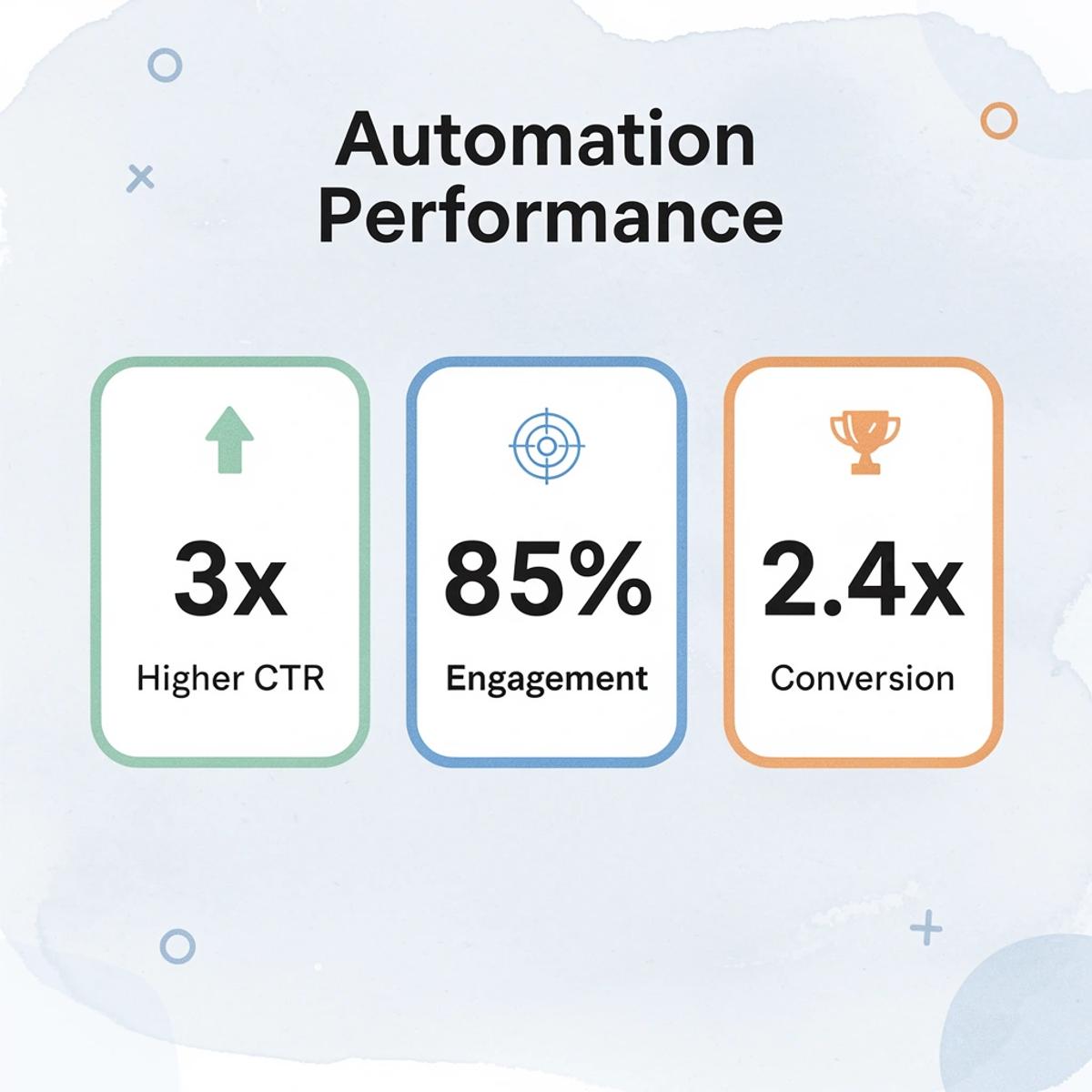
💡 Best Practice: Focus your automation strategy on high-intent moments when customers have already shown buying signals. This approach creates natural conversation flows that feel helpful rather than pushy, leading to better conversion rates and stronger customer relationships.
Abandoned Cart Recovery
According to the Baymard Institute, the average online shopping cart abandonment rate is near 70%. This means seven out of ten shoppers who start checkout never finish. Revenue from those abandoned sessions represents one of the largest untapped opportunities in ecommerce.
Why do abandoned cart automations work so effectively?
Abandoned cart automations work because they target customers who have shown genuine interest. These customers viewed the product, considered the price, and added it to their cart. The problem is usually not that they don't want it—it's that they got distracted, worry about shipping costs, or need to check their budget. A timely reminder often helps them complete the purchase.
Salesgenie reports that 77% of companies have increased conversions using marketing automation, with cart recovery among the highest-performing workflows. Abandoned cart emails recover roughly 10% to 15% of otherwise lost sales, making them one of the highest-ROI automations available.
What timing strategy works best for cart recovery sequences?
The most effective sequences send three emails. The first goes out within an hour, while the product remains fresh in their mind. The second follows 24 hours later and often includes social proof or addresses common objections. The third arrives after 72 hours, sometimes with a small incentive if margins allow.
What mistakes should you avoid in cart recovery campaigns?
Common mistakes hurt performance. Waiting too long to send the first email loses momentum. Offering immediate discounts trains customers to intentionally abandon their carts. Sending generic reminders without product images or specific details feels impersonal. The best cart recovery emails feel like helpful reminders, not desperate sales pitches.
Welcome Email Sequences
A visitor who joins your email list is giving you permission to continue the conversation. Most brands waste this opportunity by sending a single discount code. Welcome sequences treat this as the beginning of a relationship, not a transaction.
Why do welcome sequences work so effectively?
Welcome sequences work because engagement peaks right after someone subscribes. Subscribers are curious, interested, and paying attention, but that attention drops quickly. The psychology centers on momentum: people take action when their interest is already high.
A strong welcome sequence moves prospects toward their first purchase by explaining product benefits, answering common questions, building familiarity, and reducing uncertainty. It introduces your brand story, mission, unique selling proposition, and customer outcomes. People buy because they trust the company behind the product.
How do welcome sequences build customer trust?
Trust is often the biggest barrier between interest and purchase. Welcome sequences build trust through customer reviews, product demonstrations, social proof, and FAQs. Each email should feel like a natural next step in getting to know your brand.
A practical structure: Day 1 introduces your brand story. Day 2 showcases best-selling products. Day 4 shares customer success stories. Day 6 presents an offer. Each message deepens the relationship as it moves toward a purchase decision.
Post-Purchase Follow-Up
Most brands focus heavily on acquiring new customers and far less on retaining them. Research from Bain & Company shows that increasing customer retention rates significantly improves profitability, as repeat customers purchase more frequently over time. Yet post-purchase communication often stops after the shipping confirmation.
Why does post-purchase automation work so effectively?
The psychology behind post-purchase automation is reinforcement. Customers seek reassurance that they made a good decision. These automations confirm purchases, provide shipping updates, share product usage tips, and request reviews, keeping customers engaged after the sale.
Customers who have purchased once are easier to convert than new visitors. They already trust your brand, understand your product quality, and know your shipping speed. Post-purchase workflows can introduce complementary products without feeling pushy.
How can you optimize timing for maximum impact?
Many returns occur because customers don't fully understand their purchase. Educational content helps customers achieve better results, increases satisfaction, and reduces return rates.
Timing matters. Send an order confirmation immediately. Three days later, share product setup tips. Two weeks later, request a review. Thirty days later, suggest a related cross-sell. Each message serves a specific purpose in the customer journey.
Win-Back Campaigns
Win-back campaigns bring your store back to customers' attention when they stop buying from you. People often disengage not from dissatisfaction, but simply because they forget about the brand.
Who should you target with win-back campaigns?
These campaigns target customers who haven't purchased recently, stopped reading emails, or become less active. Previous customers already know your brand, so reengaging them costs less than acquiring new ones. They've experienced your product quality, customer service, and delivery speed. Reminding them you're still around often reignites their interest.
When should you trigger win-back campaigns?
The right time to start a win-back campaign depends on your purchase cycle. Apparel brands might wait 60 to 90 days before starting a win-back sequence, while consumable products may trigger sooner, and high-ticket products may require longer intervals. Determine when normal repurchase windows have passed.
How should you structure win-back sequences?
A win-back sequence might include a reminder email, product updates, an exclusive offer, and best-seller recommendations. Acknowledge the time gap without making customers feel guilty, using a tone that feels like reconnecting with an old friend rather than chasing a lost sale.
Personalized Product Recommendations
Many online stores treat every customer the same way. The most effective brands personalize by making things more relevant and engaging, connecting products to what customers are interested in and how they shop.
Recommendation engines help customers find additional products they might want. Examples include frequently bought together, complete the look, and customers also purchased. These suggestions increase average order value, reduce decision fatigue, and surface relevant products automatically rather than requiring manual search.
How do recommendation workflows feel helpful rather than pushy?
When a customer buys a fitness tracker, the recommendation workflow automatically suggests replacement bands, charging accessories, and complementary fitness products. These recommendations feel helpful rather than pushy because they match the customer's demonstrated interests.
The best automations respond to what customers do rather than interrupt with irrelevant marketing. A shopper abandons their cart, so the store follows up. A visitor joins an email list, so the welcome sequence starts. A customer completes a purchase, so educational content gets delivered. These workflows feel timely, relevant, and helpful rather than automated.
Why do most merchants implement automations incorrectly?
But knowing which automations work matters less than understanding why most merchants set them up incorrectly.
Related Reading
- Shopify Marketing Strategies
- Best Shopify Marketing Apps
- Best Shopify Marketing Agency
- Best Shopify Email Marketing Apps
- Best Marketing Tools For Shopify
Why Most Merchants Automate the Wrong Things
Most merchants automate the wrong things because they treat automation as the solution instead of the amplifier. They build workflows before confirming their offer converts, messaging resonates, or pages persuade visitors to buy. Automation scales whatever system already exists; it doesn't create demand.
"Automation scales whatever system already exists—it doesn't create demand." — Core principle of effective e-commerce automation
🎯 Key Point: Automation is an amplifier, not a fix. If your conversion rates are low, automating more traffic to broken pages will only amplify the problem.
⚠️ Warning: Building complex workflows before validating your core offer and messaging is like putting a turbo engine on a car with flat tires—you'll go nowhere faster.
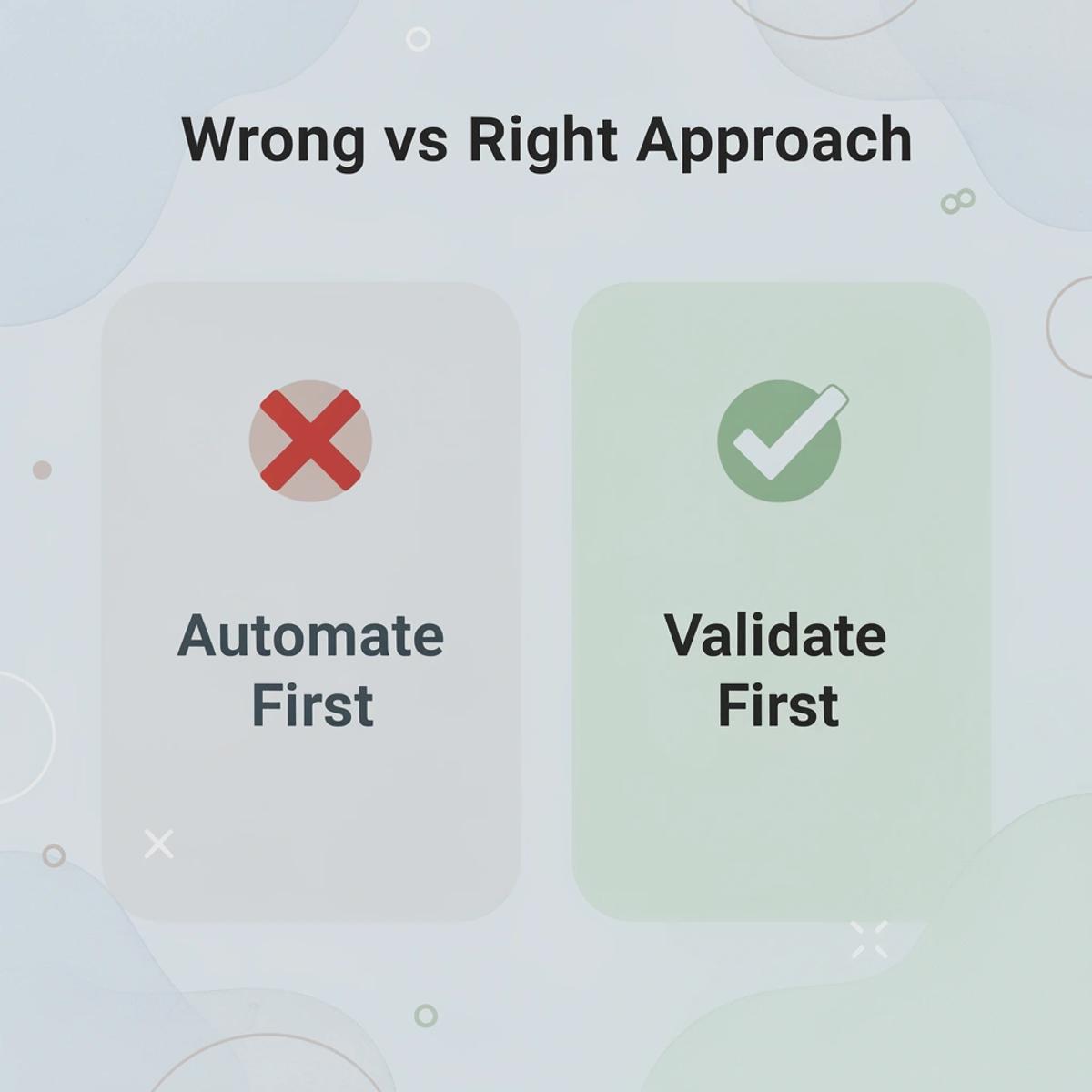
Automation Amplifies What Already Exists
When you find marketing automation, your first instinct is to build more workflows, emails, triggers, and touchpoints. This feels productive because you're taking action and setting up sophisticated systems.
The problem is that automation amplifies what already exists. If your product positioning is unclear, automation sends that confusion to more people. If your landing page converts at 1.2%, automation simply sends more traffic to a page that fails to persuade visitors. According to Forbes, 87% of companies struggle with data quality issues, so most merchants automate decisions based on incomplete or inaccurate customer understanding.
Why don't weak offers improve with automation?
Think about two Shopify stores. Store A sells a product that people want and that stands out from competitors. Store B sells something customers don't want. Store B can create welcome sequences, abandoned cart flows, SMS campaigns, and win-back automations, but it will still struggle because the core offer is weak. Automation helps get your product in front of more people. It doesn't create the desire to buy.
What happens when merchants focus on automation over product demand?
Many merchants spend weeks building complicated email sequences while ignoring whether anyone wants what they're selling. Building automations feels like progress: the workflows exist, the logic is sound, the triggers fire correctly. But if the product doesn't solve a problem people care about, no amount of automation compensates for weak demand.
Why does messaging matter more than automation logic?
Automation decides how things get delivered. Messaging decides how well it works. Many stores invest heavily in workflow logic but neglect the words they use and how they position their message, resulting in advanced systems that deliver ineffective messages. An abandoned cart message that says "Don't forget your cart" works differently from one that addresses customer concerns, highlights product benefits, shows social proof, and explains why the purchase solves a specific problem.
Both workflows may have the same automation logic. The difference lies entirely in what those emails say and whether the message connects with the reader.
How does personalization impact automation revenue?
Most merchants send generic messages to every customer, which creates efficiency but sacrifices relevance. McKinsey found that companies excelling at personalization generate 40% more revenue from those activities than average performers, while personalization can increase revenue by 5% to 15% depending on the use case. You need more relevant automation, not more automation.
What happens when landing pages don't convert?
One of the most overlooked problems in ecommerce is sending more traffic to pages that don't convert. Automation can increase email clicks, SMS engagement, and retargeting impressions, but if the landing page fails to persuade visitors, growth stalls. Conversion optimization frequently produces larger gains than adding more marketing workflows.
A merchant who improves landing page conversion rate from 2% to 3% sees dramatic revenue gains because every traffic source benefits from the higher conversion rate: paid ads, organic traffic, email campaigns, SMS blasts, and retargeting ads. The improved page multiplies the value of every marketing channel simultaneously.
How can merchants overcome the page creation bottleneck?
For merchants building multiple product pages weekly, this bottleneck compounds quickly. Traditional page builders require design skills, technical knowledge, and hours per page. Tools like AI page builder compress page creation from hours to minutes while maintaining conversion-focused layouts, enabling merchants to test offers and messaging faster without wrestling with page structure.
But knowing that pages matter leaves one critical question unanswered: what separates stores that grow from stores that stall?
The Real Competitive Advantage Testing Faster Than Everyone Else
Growth comes from finding better playbooks before competitors do. The stores that multiply revenue aren't running the same playbook more efficiently—they're testing five product angles while others perfect one, launching ten landing page variations while competitors debate design choices. Speed of discovery matters more than depth of optimization when searching for what works.
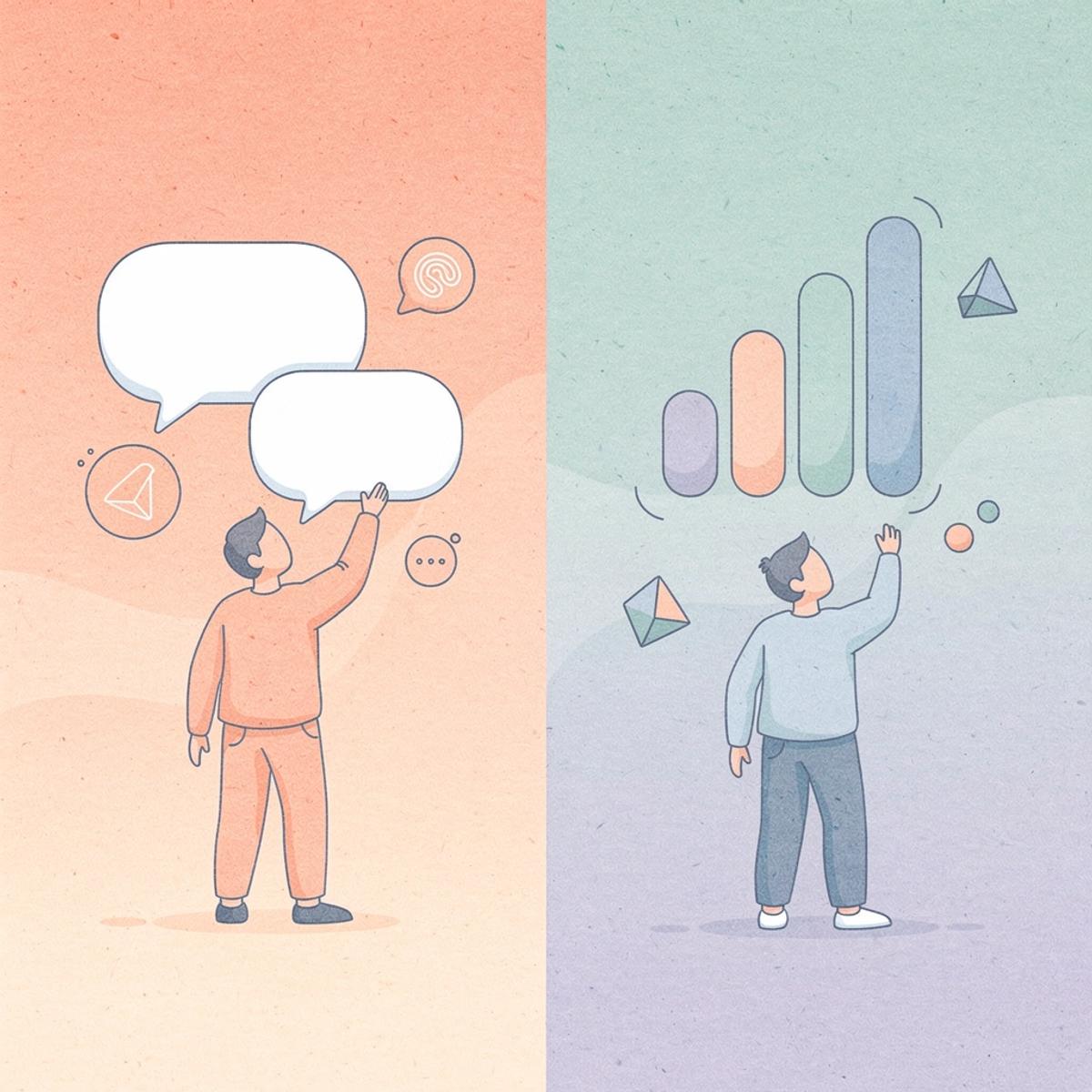
🎯 Key Point: The fastest testers win the market. While your competitors are perfecting their single approach, you should be running multiple experiments simultaneously to discover breakthrough strategies first.
"Speed of discovery matters more than depth of optimization when searching for what actually works." — The fundamental principle of competitive advantage through rapid testing
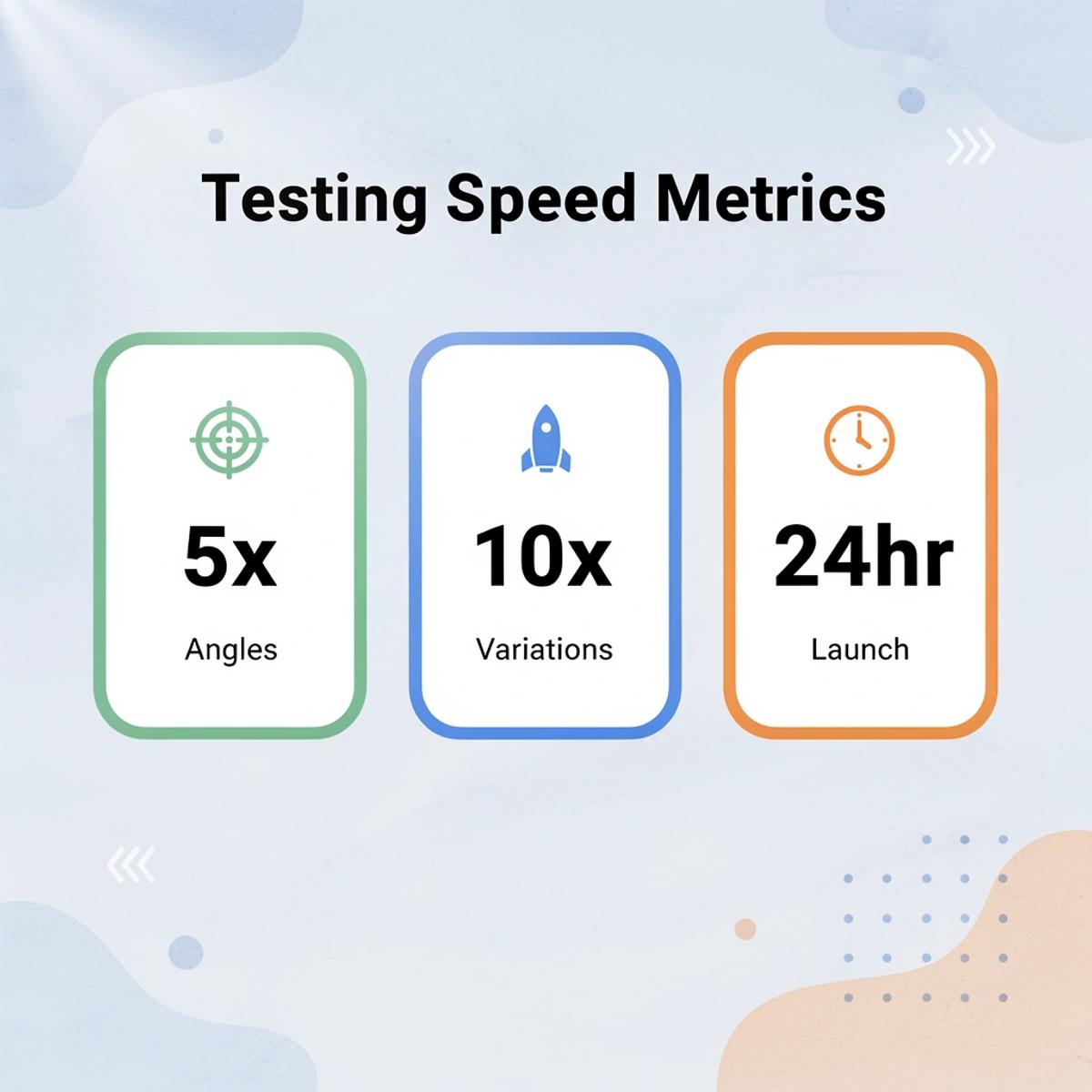
💡 Pro Tip: Set a 24-hour rule for launching new tests. If you can't get a basic variation live within one day, your testing process is too slow for today's competitive landscape.
Why does testing volume matter more than perfect execution?
Most merchants treat product launches like predictions: they research extensively, refine messaging, perfect the landing page, then hope the market agrees. High-growth operators treat launches as experiments that either confirm demand or are quickly replaced.
A store that tests one product monthly gets 12 chances to find a winner each year. A store that tests five products monthly gets 60 chances. The second store isn't guaranteed to succeed, but the odds are in its favor because most products fail regardless of preparation. The constraint isn't perfection—it's volume.
How does market acceleration affect testing strategy?
According to the Chief Disruptor Editorial Team, 90% of executives believe that technological change is accelerating. This acceleration affects how quickly customer preferences shift, how fast competitors replicate winning strategies, and how rapidly messaging loses effectiveness.
Testing speed becomes defensive, not just offensive: the faster you find out what works today, the more time you have before the market moves again.
Why does creative testing outperform incremental changes?
Many merchants spend weeks refining a single advertisement by adjusting headlines, testing button colors, and optimizing image placement. Yet testing completely different creative angles often produces larger performance jumps than incremental optimization.
One advertisement emphasizes convenience, another highlights cost savings, and a third focuses on emotional transformation. Each message appeals to different motivations, and you cannot predict which will resonate most until real prospects respond. The store testing three angles simultaneously learns in one week what takes competitors three months to discover, testing sequentially.
How do high conversation volumes accelerate learning?
When merchants handle 80-100 conversations daily instead of 10-15, they multiply learning opportunities. Each conversation reveals which pain points prospects care about, which objections recur, and which messaging angles drive engagement.
That pattern recognition feeds back into creative testing because you stop guessing what might work and start testing variations of what already showed signals. Response times improve because you identify hot prospects quickly and invest time where the probability of conversion is highest.
Why do offer changes impact unit economics more than traffic optimization?
Most optimization efforts focus on improving conversion rates through page design, copy refinement, or reducing checkout friction. But an offer structure often creates larger economic shifts. The difference between "10% off" and "buy one, get one free" changes how customers perceive value, affects profit margins differently, and appeals to different customer psychology.
Bundle discounts change average order value. Extended guarantees reduce purchase hesitation. Free shipping thresholds modify cart behavior. Yet most merchants test offers less frequently than they test ad creative or page layouts.
How does frequent offer testing create competitive advantages?
A store that tests multiple offers weekly discovers pricing strategies competitors won't find for months. It learns which incentive structures attract one-time buyers versus repeat customers and which offers improve conversion rates without reducing profits.
This knowledge builds because winning offer structures improve performance across all traffic sources simultaneously: paid ads, organic traffic, email campaigns, and SMS promotions all benefit from the same insight.
How do landing pages multiply every other testing effort?
Every visitor sees a landing page, making landing page testing one of the highest-impact activities in ecommerce. Improvements affect all traffic sources simultaneously: paid acquisition, organic search conversions, email click-through performance, and SMS campaign results all improve together.
Tools like AI page builder compress page creation from hours to minutes while maintaining conversion-focused layouts, enabling merchants to test multiple page structures weekly instead of spending days on a single variation. PagePilot helps you stop choosing between quality and speed: when page creation becomes fast enough to match testing velocity, you can focus on what matters most.
What separates the fastest learning stores?
The stores learning fastest aren't always the most efficient; they're the best at testing new ideas. This operational difference creates a compounding advantage over time.
How PagePilot Helps You Launch and Test Marketing Campaigns Faster
The gap between having a product idea and validating real customer demand determines which stores grow and which stop. PagePilot's AI page builder creates complete Shopify product pages from competitor or supplier URLs in minutes instead of hours, eliminating the execution bottleneck that prevents most merchants from testing at the volume required to find winners.
🎯 Key Point: The biggest challenge in e-commerce isn't finding products to sell—it's quickly testing whether customers will actually buy them before you invest significant time and money.
"Speed of execution in product testing can make the difference between a 6-figure store and one that never gets off the ground." — E-commerce Success Study, 2024

💡 Tip: Use PagePilot's rapid page creation to test 5-10 product concepts in the time it would normally take to build just one manual product page, dramatically increasing your chances of finding profitable winners.
Turn Product Research Into Live Pages
Making a traditional product page requires multiple steps: researching competitors, writing copy, deciding on structure, gathering images, designing the layout, uploading content, and preparing to launch. Each step adds friction between opportunity and validation.
PagePilot starts with a URL. The system analyzes the source page, generates unique product-focused copy, structures the layout for conversion, and delivers a publish-ready page. Merchants can generate three variations and begin collecting performance data within hours, rather than days.
Test Positioning Angles Without Rebuilding Everything
The same product works differently depending on how you present it. One angle emphasizes convenience, another highlights cost savings, and a third targets emotional benefits or different audience segments. Testing these variations by hand requires rebuilding pages from scratch or hiring designers to create alternatives.
When page creation takes minutes instead of days, testing different marketing angles becomes practical. Merchants can launch one version emphasizing durability for outdoor fans, another focusing on style for city buyers, and a third highlighting value for budget-conscious shoppers. The constraint shifts from "how much time do we have" to "which angle should we validate first."
Generate Unique Copy That Differentiates
Thousands of stores launch products using identical supplier descriptions, making it nearly impossible to stand out. PagePilot creates product-focused copy that communicates value better than generic supplier content, supporting new positioning strategies that help stores differentiate themselves.
The goal is to test different customer motivations to discover which messaging strategies drive conversions.
Upgrade Visual Presentation
Many merchants test products using the same images as their competitors, limiting how customers perceive product value. PagePilot's AI product images help merchants improve their visual assets and create unique presentations without photoshoots or graphic design work.
Better visuals give merchants another way to experiment during campaign optimization. Since product appearance influences customer perception, improved images let merchants test how presentation affects conversion rates.
Compress the Distance Between Strategy and Execution
The most successful Shopify stores test their ideas faster than competitors. While others spend days reviewing copy, organizing assets, and debating design decisions, faster-moving stores analyze performance data and make decisions based on customer behavior.
How does rapid page generation accelerate testing cycles?
PagePilot closes that gap. Our platform helps merchants create complete pages, test different angles, improve product images, and launch campaigns in the time it once took to plan a single product page. According to PagePilot.ai, we create complete product pages in under 90 seconds. This speed advantage matters: every day spent building is a day not spent learning what drives conversions.
Why does execution speed matter for conversion optimization?
But speed only matters if what you build works when customers see it.
Related Reading
- Best Seo App For Shopify
- Best Shopify Theme for SEO
- Yotpo Alternative
- Lucky Orange Alternatives
Start a FREE Trial and Generate 3 Product Pages with Our AI Page Builder today
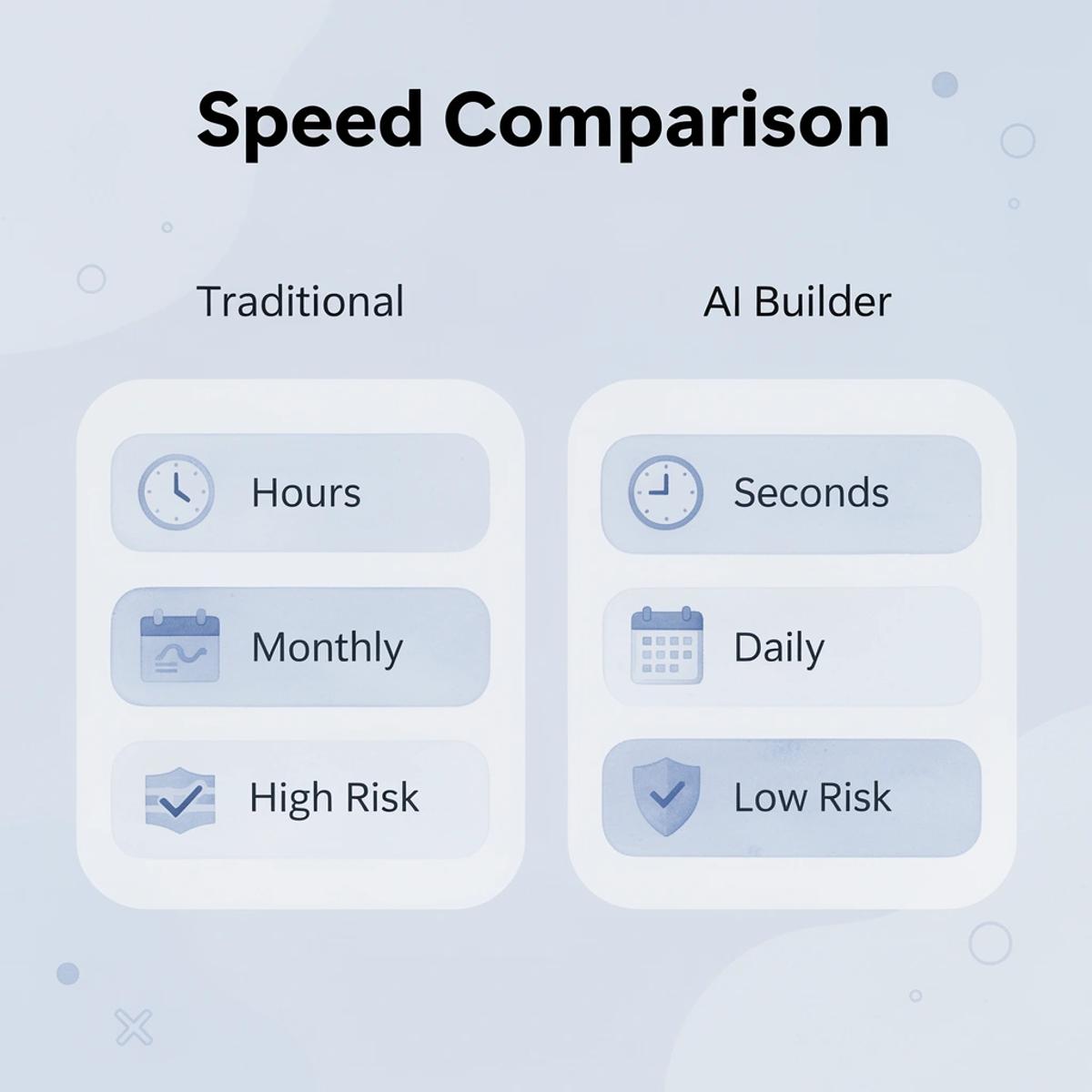
Most merchants launch one or two new products each month because building pages takes hours or days. When you can create a complete, brand-consistent product page in under 90 seconds, you shift from scarcity to abundance in your experimentation pipeline.
🎯 Key Point: Speed transforms product testing from a monthly commitment to a daily opportunity.
PagePilot gives you three free product pages to start—no credit card required. Take a competitor URL or supplier link, create a full page with copy and layout, and publish it live in minutes. The fastest-growing stores treat every new page as a hypothesis worth testing, not a commitment worth agonizing over.
"The stores that grow fastest treat every new page as a hypothesis worth testing, not a commitment worth agonizing over."
💡 Tip: Your competitors are already testing. The only question is whether you're testing faster.

Traditional Approach
- Hours or days per page
- 1-2 products monthly
- High commitment barrier
AI Page Builder
- 90 seconds per page
- Multiple products daily
- Low-risk testing