

Recurring revenue transforms one-time buyers into loyal subscribers, creating a predictable cash flow that makes scaling a business far more manageable. The right subscription apps can help Shopify store owners build sustainable revenue streams, from simple replenishment orders to comprehensive membership programs. These tools integrate seamlessly with existing store designs to create frictionless customer experiences that encourage long-term commitments. Setting up subscription functionality requires more than selecting an app. Store owners need landing pages and product displays that clearly communicate value, explain billing cycles, and make signing up feel natural rather than complicated. PagePilot's AI page builder helps create these conversion-focused pages quickly, generating layouts optimized for subscription offers without requiring design expertise or developer resources.
Summary
- Most stores treat subscriptions like a feature you install, not a behavior you earn. They add a recurring billing app, tuck a "subscribe and save" checkbox on the product page, and expect customers to commit. But conversion doesn't happen automatically. The number of stores offering subscriptions increased by 33 percent year over year in 2025, yet many see minimal adoption because customers ignore subscription options when the value isn't immediately clear.
- Retention rates reveal the real gap between installing an app and building recurring revenue. Ecommerce retention averages around 30 percent, while strong subscription businesses hit 70 to 80 percent. That difference isn't about the app you install. It's about whether customers see enough value to commit and stay. YouGov's 2025 data shows that 55% of Americans canceled at least one streaming service in the past year due to cost, demonstrating how quickly people abandon subscriptions that don't deliver clear, ongoing value.
- Product page design drives subscription conversion more than app features. 83 percent of consumers say product images are the most influential factor in purchase decisions, and 75 percent of a website's credibility comes from design. Nearly 90 percent of visitors leave if the experience is poor. The subscription option never enters the decision if the page can't first answer whether customers trust the product enough to buy once.
- Free trials significantly reduce perceived commitment risk at the point of conversion. Apps with a free trial convert 2x better than those without, according to Adapty's State of in-app subscriptions 2025 report. The same principle applies to subscription offers. Reducing steps and hesitation at checkout directly impacts whether customers choose recurring billing over a one-time purchase.
- Involuntary churn from payment failures silently kills subscription revenue. RevenueCat reports that 70% of subscription apps see their highest churn in the first 30 days, often because customers feel locked in or unable to control their commitment. Self-service portals that make pausing easier than canceling extend lifetime value, because customers who pause often return, while those who cancel rarely do.
- AI page builder helps merchants test optimized product page variations in under two minutes, letting stores identify which messaging, layout, and trust signals actually move customers from one-time buyers to subscribers without waiting on creative or developer resources.
Subscriptions Sound Simple, But Most Stores Get It Wrong
Most stores treat subscriptions like a feature you add, not a behavior you earn. They add a recurring billing app, put a "subscribe and save" checkbox on the product page, and expect customers to commit. Without clear value, simplified pricing, and a page experience that makes subscribing the obvious choice, you're adding complexity without revenue.

🎯 Key Point: Subscription success isn't about the technology you install—it's about the customer experience you create and the value proposition you communicate.
"Without clear value and simplified pricing, you're adding complexity without revenue."

⚠️ Warning: Adding a subscription option without optimizing the entire customer journey often results in lower conversion rates and confused customers who stick with one-time purchases.
Why do subscription apps focus on features instead of conversion?
The belief persists because subscription apps are advertised as offering features such as flexible billing periods, customer portals, and automatic renewals. These features matter only after someone decides to subscribe, which is the hard part and rarely discussed.
Founders assume demand exists because subscriptions work for large brands—but those brands spent years building trust, optimizing offers, and refining how subscriptions are presented. You're starting from scratch, and the feature alone won't convert.
Why adoption by merchants doesn't mean adoption by customers
According to Shopify, the number of stores offering subscriptions increased by 33% year-over-year in 2025. However, customers ignore subscription options when the value isn't immediately clear. Product pages often display subscriptions as minor add-ons rather than compelling offers, and adding them can create checkout friction that confuses first-time buyers.
Rivo's research shows ecommerce retention averages around 30 percent, while strong subscription businesses hit 70 to 80 percent. That gap reflects whether customers perceive enough value to commit and stay, not the app you install.
Where most stores fail
Your product page must explain why subscribing is better than making one-time purchases. Complicated pricing and checkout flows buried below main calls-to-action kill conversions before they start. YouGov's 2025 data show that 55% of Americans canceled at least one streaming service in the past year due to cost, underscoring that subscriptions lacking clear, ongoing value are abandoned quickly.
How do you create subscription pages that convert?
Create landing pages and subscription displays that clearly communicate value, explain billing cycles, and make signing up feel natural. Our PagePilot AI page builder generates conversion-focused layouts optimized for subscription offers without requiring design expertise, so you can focus on growing recurring revenue.
What happens when your subscription offer is weak?
But no page optimization saves a weak offer. If your subscription doesn't solve a real problem or deliver consistent value, it won't work.
What the Best Subscription Apps for Shopify Actually Do
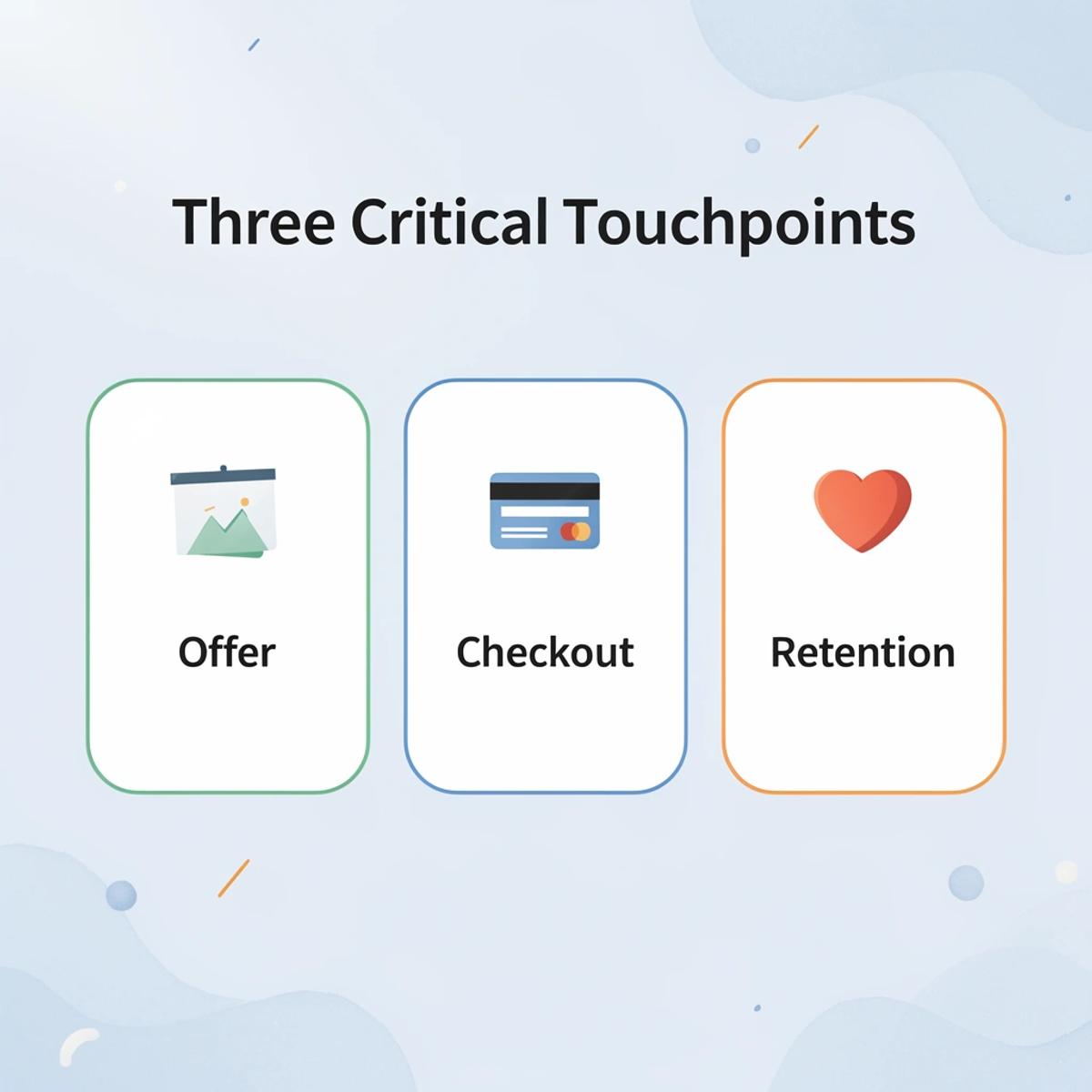
The best subscription apps let customers pay regularly while making it easy to progress from thinking about buying to purchasing. They generate revenue in three ways: controlling what they offer, clean checkout integration, and keeping customers happy after purchase.

Revenue Driver
Offer Control
- Customize pricing, bundles, and tiers
- Higher conversion rates
Checkout Integration
- Seamless payment flow
- Reduced cart abandonment
Customer Retention
- Post-purchase engagement
- Increased lifetime value
🎯 Key Point: The most successful subscription apps focus on three critical touchpoints: the initial offer presentation, the checkout experience, and the ongoing customer relationship.

"Subscription businesses that master all three revenue drivers see significantly higher customer lifetime values and retention rates compared to those focusing on just one area."
💡 Tip: When evaluating subscription apps, look for platforms that offer robust customization in all three areas rather than excelling in just checkout or retention alone.
Flexible Subscription Models That Match Real Buying Behavior
Strong apps let you create subscription options that feel natural, not forced. Weekly meal kits, monthly skincare refills, quarterly coffee deliveries, and annual memberships each require different billing logic, skip options, and discount structures.
If your app locks you into a single template, you're building offers around the tool's limitations rather than what customers want. According to Recurpay, over 7,500 brands use subscription tools on Shopify, but the ones that convert treat flexibility as non-negotiable. They test multiple frequencies, adjust pricing tiers, and let customers choose what fits their rhythm.
Why should subscriptions match customer timelines?
Subscriptions work when they solve a problem on the customer's timeline, not yours. If someone needs dog food every six weeks but your app only offers monthly delivery, you've created an unnecessary problem.
Seamless Checkout Integration Without Confusion
Subscription options that feel like an afterthought hurt conversion. If selecting "subscribe and save" requires extra clicks, unclear language, or a separate process, most customers won't complete it. The best apps integrate subscription choices directly into the product page and checkout, making it as simple as selecting a size or color.
When the subscription option is built into your existing process, it stops being a hard choice and becomes a preference. Retenzy reports that 75% of subscription businesses report higher customer lifetime value, but only when the initial conversion doesn't disrupt customers' purchasing habits.
Customer Control That Builds Trust Instead of Resentment
After someone subscribes, they need to pause shipments when traveling, skip months when inventory piles up, or swap products without contacting support. Apps that make this difficult create resentment; apps that make it easy build loyalty. The best tools include self-service portals that let customers manage everything themselves, reducing support tickets and increasing retention.
Why do customers cancel subscriptions after month three?
Most merchants focus on acquiring the first subscription. The real challenge is keeping it active past month three. When customers feel trapped, they cancel. When they feel in control, they stay.
But knowing what subscription apps do doesn't solve the harder problem: why so many stores install them yet see terrible adoption rates.
Related Reading
- Shopify Web Design
- Shopify Conversion Rate Optimization
- Ai Tools for E-commerce
- Shopify Alternatives
- Ecwid Alternatives
- Shopify App Detector
- AI Use Cases In Ecommerce
Why Most Subscription Setups Fail to Convert
Subscriptions fail to convert because the offer is invisible, unclear, or unconvincing. Most stores treat the subscription option as a checkbox feature, burying it in a dropdown or behind confusing labels. Customers scroll past it without noticing, or see it and feel uncertain about what they're committing to.

🎯 Key Point: Visibility is the foundation of subscription conversion - if customers can't easily find and understand your offer, they won't subscribe.
"Poor placement and unclear messaging are responsible for up to 70% of subscription conversion failures in e-commerce." — Subscription Commerce Research, 2024

Subscription options often appear below the fold, in a secondary tab, or after the "add to cart" button, where attention has shifted. If customers must hunt for the option, they won't engage. Adding friction to the subscription decision ensures it gets ignored.
Common Placement Mistakes
- Below the fold
-45% visibility
- Secondary tabs
-60% discovery
- After adding to the cart
-35% consideration
- Dropdown menus
-50% engagement

⚠️ Warning: Even a 2-second delay in finding your subscription option can reduce conversion rates by 25% - simplicity and prominence are non-negotiable.
Why don't small discounts convince customers to subscribe?
A generic "save 10%" message doesn't justify recurring billing. Customers weigh the perceived risk of forgetting to cancel, dealing with unwanted deliveries, or losing control over spending. A small discount feels like a weak trade for that uncertainty. Without clear explanations of convenience, exclusive access, or meaningful savings, the subscription becomes an unnecessary complication.
How does product page optimization impact subscription conversions?
The product page itself often complicates the decision. Without clear product details, social proof, and transparent policies, asking customers to commit to a subscription becomes difficult. Customers need to believe in the product before committing to repeatedly receiving it.
Tools like AI page builder help merchants test optimized product page variations in under two minutes, identifying which messaging, layout, and trust signals convert one-time buyers to subscribers without requiring design or copywriting resources.
Why does unclear messaging hurt subscription conversions?
Many stores fail to explain how subscriptions work. Customers don't know if they can skip a delivery, change the frequency, or cancel easily. This uncertainty makes people hesitant. Subscription offers should address customers' immediate concerns: Can I pause my subscription? Can I change my mind? Will I face unexpected charges?
How should stores present subscription value to customers?
The math matters too. If savings aren't presented in concrete terms—dollars saved per year, free shipping included, members-only pricing—customers can't evaluate the value. Showing "$48 saved annually" converts better than "save more." Specific numbers work; vague promises don't.
But even when the offer is clear and valuable, most stores miss the step that determines whether customers commit or keep scrolling.
Related Reading
- Bigcommerce Alternatives
- Shopify Store Cost
- Ai Use Cases in E-commerce
- How To Edit Pages In Shopify
- Shopify Web Design Experts
- Shopify Website Optimization
What to Look for in a Subscription App
The right subscription app makes things easier at every stage: before the customer subscribes, while they're subscribed, and when they need to make changes. If the app creates confusion during checkout, complicates subscription management, or hides the data you need to improve performance, it will cost you more than it delivers.
🎯 Key Point: A subscription app should simplify your business operations, not complicate them. Look for platforms that offer seamless customer experience, robust analytics, and flexible management tools.
"The best subscription platforms reduce customer acquisition costs by 15-20% through streamlined checkout processes and improved user experience." — Subscription Economy Report, 2024

⚠️ Warning: Avoid subscription apps that require extensive technical knowledge to set up or maintain. The ideal platform should be intuitive enough for your team to manage without constant developer support, saving you both time and money in the long run.
Why does seamless integration matter for subscription conversions?
Subscription options should appear on product pages alongside size or color choices. If customers must leave the product page, open a new tab, or navigate multiple screens to subscribe, conversion rates will suffer.
According to Adapty's State of in-app subscriptions 2025 report, apps with a free trial convert 2x better than those without by reducing perceived risk at the point of commitment.
How should subscription apps handle checkout?
The best apps integrate subscription options directly into Shopify's checkout, creating a single seamless decision rather than multiple steps.
If your subscription app requires a separate checkout flow or causes loading delays, you will lose customers who would have purchased.
What subscription structure options should you look for?
You need control over delivery frequency, discounts, prepaid options, and product bundling. Rigid templates (monthly only, flat 10% discount, no variations) prevent you from testing what works for your audience.
Some customers want weekly deliveries; others prefer quarterly shipments with bigger discounts. The app should support both without custom code.
Why does testing different subscription models matter?
Most stores treat subscriptions as one-size-fits-all because their app doesn't support variation. Testing different structures—such as subscribe-and-save at 15% monthly versus prepaying for three months and saving 25%—directly impacts adoption rates.
Without experimentation, you cannot optimize. Our AI page builder helps you test different subscription offers and placements in minutes, surfacing what converts best without waiting weeks for developer availability.
What makes a customer portal experience effective?
After someone subscribes, they need an easy way to manage their subscription: pause deliveries, skip shipments, change frequency, or update payment details without contacting support. If the portal is confusing or limited, customers will cancel rather than adjust. RevenueCat reports that 70% of subscription apps see their highest churn in the first 30 days, often because customers feel locked in or unable to control their commitment. A transparent, flexible portal reduces friction and extends lifetime value.
Why should pause options be prioritized over cancellation?
The best apps make it easier to pause than to cancel. Customers who pause often return; customers who cancel rarely do. If your app doesn't offer pause functionality or hides it behind multiple clicks, you're forcing people to exit when they only need a temporary break.
But none of this matters if you cannot see what is happening, which is why the next piece determines whether you can improve or guess.
10 Best Subscription Apps for Shopify (Top Picks)
The right subscription app depends on your needs. A store selling monthly coffee subscriptions has different requirements than one offering prepaid skincare bundles or quarterly membership boxes. The apps below represent the strongest options for different uses, not a ranked list. Match your subscription model and business stage to the tool that fits it.
🎯 Key Point: There's no one-size-fits-all subscription solution - your business model determines which app will deliver the best results for your specific needs.
"Subscription businesses that choose the right platform see 40% higher customer retention rates compared to those using generic solutions." — Subscription Economy Report, 2024

💡 Pro Tip: Before choosing any subscription app, clearly define whether you need recurring billing, membership access, product subscriptions, or a combination - this will dramatically narrow your options.
1. Recharge
Recharge handles complexity better than most platforms in this space. If your subscription logic involves multiple product variants, custom billing intervals, tiered pricing structures, or dunning workflows requiring precise control, this tool delivers. According to Plerdy's 2023 analysis of subscription businesses, 75% of subscription businesses see increased customer lifetime value when they implement advanced retention features, such as those Recharge offers natively.
How does the customer portal reduce support volume?
The customer portal is fully customizable. Subscribers can change delivery dates, swap products, update payment methods, and pause subscriptions without contacting support, reducing support volume while giving customers the control that keeps them subscribed longer.
What makes Recharge suitable for high-growth brands?
Recharge works well with fast-growing brands. The analytics dashboard displays customer cohorts, churn rates, and revenue projections, helping you plan retention strategies rather than simply reporting past performance. If you're processing thousands of subscription orders monthly or expect to soon, Recharge provides the tools and support needed to scale.
2. Skio
Skio simplifies purchasing at every step. Built from scratch rather than updated from legacy technology, its modern interface includes passwordless login, eliminating a common friction point: customers who forget passwords often abandon their purchase attempts. Skio removes this barrier entirely.
How does Skio improve the checkout experience?
The checkout experience works smoothly with Shopify's built-in system, which reduces cart abandonment compared to apps that redirect customers to external payment pages. Subscription options appear alongside one-time purchases, making subscriptions feel like a lower commitment. This presentation change encourages more subscription sign-ups without requiring steep discounts.
What retention tools does Skio offer to prevent churn?
Skio's retention tools prevent customer cancellations before they occur. The cancellation flow presents targeted offers based on subscriber behavior: pause instead of cancel, product swap, frequency adjustment, or discount extension. These interventions recover a meaningful percentage of at-risk subscribers. If your priority is to maximize subscription rates and minimize cancellations, Skio delivers on both.
3. Appstle Subscriptions
Appstle gives you enterprise-level features without the enterprise price tag. It supports prepaid subscriptions, build-a-box customization, tiered discounts, and pay-as-you-go models simultaneously—most apps force you to choose one structure. This matters when testing what works best across different customer segments.
How easy is Appstle to set up and configure?
Setting up is easy for non-technical store owners and flexible enough for complex configurations. You can create subscription rules based on product tags, collections, or individual SKUs to help you avoid offering subscriptions to unsuitable products.
What customer management features does Appstle offer?
Customer management tools include automated email notifications for upcoming charges, shipping updates, and renewal reminders, helping reduce involuntary churn caused by expired payment methods. The app integrates with major email platforms, allowing you to trigger retention campaigns based on subscription status without manual exports.
4. Bold Subscriptions
Bold has been in the Shopify ecosystem longer than most competitors, solving edge cases that newer apps haven't faced.
How does Bold handle complex billing scenarios?
The billing engine handles prorated charges, mid-cycle upgrades, partial refunds, and custom billing intervals outside standard weekly or monthly cycles.
What makes Bold's product bundling sophisticated?
Product bundling offers a smart way to organize subscription boxes or curated collections. You can set rules for how products rotate, let customers pick what they want within certain limits, and automatically manage inventory based on their preferences, helping prevent fulfillment issues as your subscriber base grows.
How does Bold integrate with Shopify systems?
Bold works closely with Shopify's product and order systems to ensure accurate reporting and straightforward fulfillment. Its API and webhook structure support clean data flow into analytics platforms or ERP systems without custom development.
5. Seal Subscriptions
Seal removes financial risk from testing whether subscriptions work for your store. The free plan includes core features (recurring billing, customer portal, discount management, cancellation handling) without usage limits or trial periods, making it the most practical starting point for merchants validating demand before committing to a paid platform.
How quickly can you launch with Seal?
The interface prioritizes simplicity, reducing setup and learning time. You can launch a basic subscription offering in about an hour, not days. That speed matters when testing multiple products or business models and making rapid changes without getting bogged down in configuration.
What happens as your subscription program grows?
As your subscription program grows, Seal's paid tiers add analytics, advanced customization, and priority support without requiring a platform switch. Starting with Seal and upgrading as needed is less disruptive than launching on an enterprise platform and paying for unused features.
6. Smartrr
Smartrr treats subscriptions as a loyalty program, not merely a billing mechanism. The customer portal includes points, referral rewards, and tier-based perks that give subscribers reasons to stay beyond product value alone. This approach works particularly well for brands in crowded categories where community engagement outweighs product features.
How does Smartrr identify at-risk subscribers?
Retention analytics examine subscriber behavior to identify customers at risk of canceling. Warning signals include skipped shipments, portal logins without activity, support tickets, and payment failures. When detected, the system automatically sends personalized offers or content to address the drivers of cancellations. This proactive approach prevents churn more effectively than win-back efforts after customers have already left.
What makes Smartrr's messaging feel personal?
Smartrr works with SMS and email platforms to create organized retention journeys that feel personal rather than automated. Subscribers receive relevant messages based on subscription history, purchase patterns, and engagement level. If your strategy prioritizes customer relationships and lifetime value over transactional efficiency, Smartrr aligns with that philosophy.
7. Loop Subscriptions
Loop focuses on reducing involuntary churn when payment methods expire or transactions fail. Its dunning management system retries failed payments with smart timing and messaging, recovering a higher percentage of transactions than basic retry logic.
How does Loop's cancellation flow builder work?
The cancellation flow builder creates custom experiences based on cancellation reason, subscription length, and product type. A customer canceling after one month sees different options than someone canceling after twelve months, helping recover subscribers facing temporary problems rather than those truly unhappy.
What gamification features does Loop offer?
Loop's gamification features reward milestones (six months subscribed, referral completions, social shares), creating psychological investment that makes cancellation feel like losing progress. For brands where retention matters more than acquisition, Loop solves this core problem.
8. PayWhirl
PayWhirl works with Shopify's built-in checkout, so customers don't get sent to a different page. This reduces cart abandonment. Customers can buy subscriptions using the same process as regular one-time purchases, which simplifies the experience and reduces technical issues. Because it's built into Shopify, pages load faster, and there are fewer compatibility problems with other apps.
How does PayWhirl handle mixed cart purchases?
The platform supports mixed carts, allowing customers to purchase one-time products and subscription products in a single transaction. A customer buying a coffee maker and subscribing to beans completes both in one checkout rather than two separate flows.
What makes PayWhirl developer-friendly for custom integrations?
PayWhirl's developer-friendly API enables custom integrations to sync subscription data with external systems or trigger workflows. It offers a middle ground between ready-made solutions and fully custom-built subscription infrastructure.
9. Ordergroove
Ordergroove uses predictive analytics to optimize subscription intervals based on actual consumption patterns rather than arbitrary monthly cycles. A customer who orders dog food every 38 days receives that recommendation instead of being forced into monthly or bimonthly options that create waste or stockouts.
How does Ordergroove prevent subscription cancellations?
The platform identifies at-risk subscribers by analyzing their behavior and usage patterns, then automatically triggers targeted retention campaigns with personalized offers at optimal moments.
Who should consider using Ordergroove for their subscription business?
Ordergroove is built for Shopify Plus merchants with large subscriber bases, where small retention improvements drive significant revenue. If you process fewer than 1,000 subscription orders per month, the platform's capabilities exceed your needs. Recurpay, trusted by over 7,500 brands, demonstrates the scale at which advanced subscription platforms deliver measurable ROI.
10. Yotpo Subscriptions
Yotpo Subscriptions makes the most sense if you already use Yotpo for reviews, loyalty, or SMS marketing. The unified data environment means subscription status determines which review requests get sent, which loyalty rewards apply, and which SMS campaigns a customer receives, eliminating data silos and enabling personalization that standalone subscription apps cannot match.
How does Yotpo create a cohesive customer experience?
Customers earn loyalty points when they buy subscriptions, receive text message reminders before charges, and get asked to leave reviews after deliveries. This coordinated approach creates a unified brand experience rather than fragmented touchpoints managed by disconnected tools.
What makes Yotpo ideal for retention strategies?
For brands building retention strategies around connected customer data (subscription status, review history, loyalty engagement, and SMS interaction), Yotpo provides the infrastructure to execute that vision without complex integrations or manual data exports.
How should you test apps before making a final decision?
Pick two or three apps that match your subscription model and business stage, then install them on a development store. Go through the complete customer journey—from product page through checkout, account creation, subscription management, and cancellation flow—as a first-time buyer.
The experience reveals problems that feature comparisons miss. Does the subscription option feel obvious or hidden? Does checkout inspire doubt or confidence? Can customers change their subscription without contacting support? These answers matter more than technical feature support.
What should you look for in app support quality?
Pay attention to recent reviews and how quickly the company responds to support questions. An app with great features but slow support becomes problematic during busy times. Submit a test support ticket and measure response time and solution quality: this reveals what will happen when real problems arise.
But the app you choose only makes subscriptions possible; it does not make people want them.
Why Your Product Page Matters More Than Your App
The app enables subscriptions but does not sell them. Even the best subscription tools fail if the product page does not do the hard work, where the real decision happens.

The data shows this is true: the average ecommerce conversion rate is around 2 to 3 percent, meaning more than 97 percent of visitors do not buy. Your product page is where things slow down.
What actually drives purchase decisions
83 percent of consumers say product images are the most influential factor in purchase decisions. 75 percent of a website's credibility comes from design, which directly affects trust. Nearly 90 percent of visitors leave if the experience is poor. Improving user experience can increase conversion rates by up to 200 percent.
While the app handles billing and logistics, the product page determines whether the customer proceeds.
What happens before customers see the subscription option?
Customers subscribe when the value is clear, and the experience builds trust. This comes from messaging that explains why subscribing beats one-time purchases, visuals that establish credibility, and positioning that feels like a smart decision rather than a commitment risk.
Most stores reuse supplier content: the same images, descriptions, and structure, leaving no reason to trust, believe, or commit.
Why does the product page matter more than the subscription feature?
The product page matters most because, before agreeing to recurring billing, customers ask: "Do I trust this enough to buy once?" If the page cannot answer that question, the subscription option never enters the decision.
Building converting product pages takes the time most store owners lack. Hiring copywriters and designers per product works for testing one or two items, but validating ten offers in a week becomes a constraint.
Our AI page builder generates optimized product pages in under two minutes, letting stores test subscription offers across multiple products without waiting on creative resources or technical builds. That speed advantage compounds when you consider what drives subscription success.
How PagePilot Helps You Turn Subscriptions Into Revenue
The real problem is not setting up subscriptions—it's getting people to buy them. Most stores have the tools they need, but few use them because the product page doesn't give customers a compelling reason to commit.
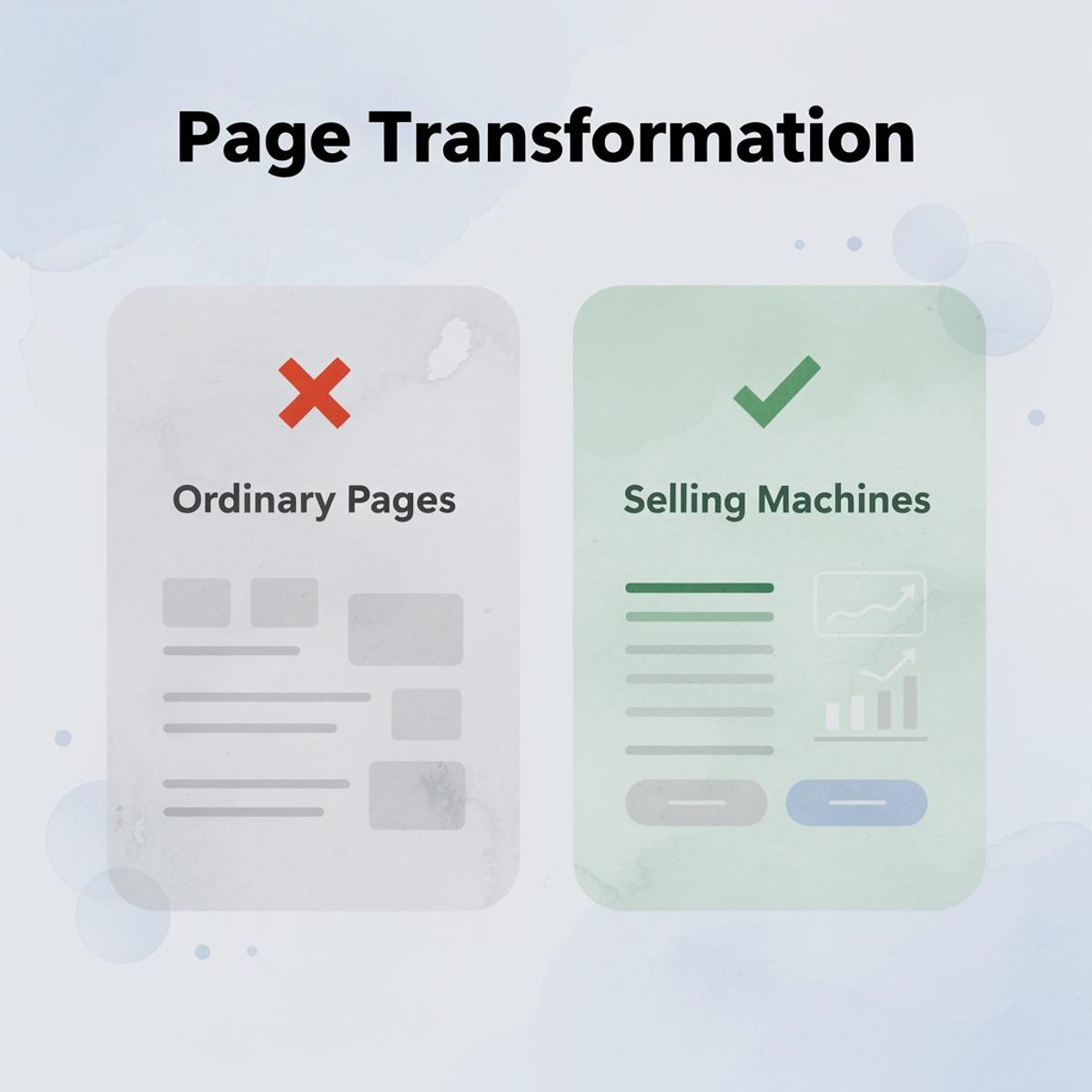
🎯 Key Point: PagePilot transforms your ordinary product pages into subscription-selling machines by optimizing every element that drives customer commitment and recurring revenue.
"85% of subscription failures happen not because of the product, but because of poor page optimization that fails to communicate value." — E-commerce Conversion Research, 2024
💡 Pro Tip: The difference between a $10,000/month subscription business and a struggling store often comes down to how effectively your product page answers the question: "Why should I commit to this long-term?"

Positioning the Offer, Not Just the Product
That is the layer where conversion happens. Instead of fixing subscriptions at the feature level, improve how the offer is presented, positioned, and how the page builds trust. You can generate high-converting product pages directly from competitor or supplier URLs using the AI page builder, giving you a structured, optimized foundation within two minutes.
Better Visuals Build Perceived Value
The platform improves your product images, directly affecting how valuable and trustworthy customers perceive your products. Generic supplier photos fail to differentiate your offerings or build customer trust. High-quality, unique images demonstrate an established brand and reduce customer concerns about subscribing.
Testing Different Angles Without Waiting Weeks
It allows you to test different angles quickly—critical for subscriptions where you're selling a recurring decision. Messaging, positioning, and value need to be dialed in. With pages generated in under two minutes, you can iterate fast instead of guessing. One version emphasizes convenience, another focuses on savings, and a third highlights exclusivity. You learn what resonates without burning weeks on creative resources.
The Shift From Feature to Offer
The difference shows up in the results. Instead of adding a subscription app and watching adoption stall, you rebuild your product page with stronger messaging, clearer value, and better visuals. The subscription option becomes easier to understand and more appealing. You stop treating subscriptions as a feature and start treating them as an offer that needs to be sold.
But speed only matters if you know what to test first.
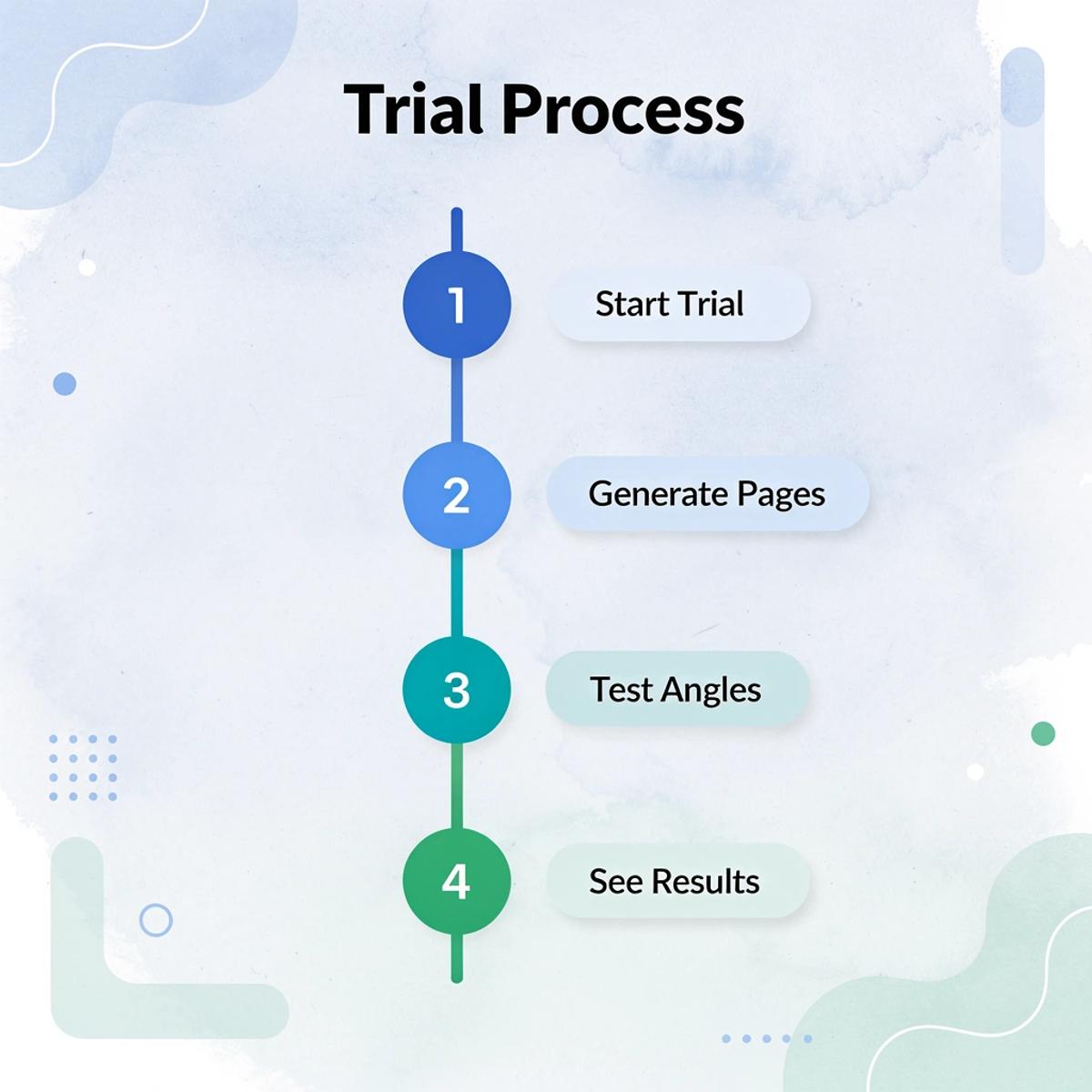
Start a FREE Trial and Generate 3 Product Pages with Our AI Page Builder today
If subscriptions aren't converting, the problem is your page, not the app. Even the best subscription software won't drive adoption if your product page fails to make the offer clear, credible, and compelling. The subscription becomes an afterthought rather than a decision worth making.
🎯 Key Point: Your product page is the real conversion bottleneck—subscription software alone won't fix poor messaging or weak value propositions.

"Even the best subscription software won't drive adoption if your product page fails to make the offer clear, credible, and compelling." — PagePilot Conversion Research, 2024
Start your free PagePilot trial and generate three product pages today. Test subscription angles that drive recurring revenue. Within days, you'll know whether your messaging, visuals, or value proposition needs work: the page will either convert or it won't.
💡 Tip: Use A/B testing on your generated pages to identify which subscription angles and value propositions drive the highest conversion rates for your specific audience.
Page Element and Impact on Subscriptions
Clear Value Proposition
- Higher conversion rates
Compelling Messaging
- Reduced abandonment
Strong Visuals
- Increased engagement
Credible Social Proof
- Trust and adoption
Related Reading
- Builder.ai Competitors
- How To Add Products To Shopify Page
- How To Add A Custom Pop-Up In Shopify
- Shopify Ai Apps
- Best Shopify Plugins
- Best Shopify Landing Pages
- On Page Seo Shopify