
Running an online store requires the right platform, and while Ecwid offers a solid entry point for many merchants, it's not always the perfect fit for every business. Maybe you've outgrown its features, need more customization options, or want better integration with your existing website. Whether you're exploring ecommerce platforms, comparing shopping cart solutions, or researching Shopify Web Design to elevate your online presence, understanding your alternatives can unlock faster growth and better customer experiences.
Finding the right platform doesn't mean starting from scratch or hiring expensive developers. When you're evaluating options like Shopify, BigCommerce, WooCommerce, or other ecommerce solutions, having intelligent tools that understand your products and create optimized layouts saves time and helps you launch faster. Professional, conversion-focused store pages that match your brand vision become achievable without getting bogged down in complicated design work, thanks to an AI page builder.
Table of Contents
You’re Using Ecwid, But Growth Feels Limited
The Common Belief That Holds Founders Back
What Actually Matters When Choosing an Ecwid Alternative
7 Best Ecwid Alternatives Worth Considering
Why Most Founders Still Struggle After Switching Platforms
How PagePilot Helps You Get More From Any Platform
Start a FREE Trial and Generate 3 Product Pages with Our AI Page Builder today
Summary
- Ecwid powers 174,915 stores, according to Store Leads, but many hit the same growth ceiling where the simplicity that enabled quick launches starts to slow testing and iteration. As stores shift from launch to conversion optimization, platform limitations become more apparent. The friction compounds when merchants need to test multiple products weekly to find winners, turning what was once an advantage into a competitive disadvantage.
- Platform switching rarely fixes performance problems because 73% of founders struggle with migration challenges by rebuilding the same slow workflows on new infrastructure, according to the Slush Startup Struggle Survey 2025. The same weak product pages, unclear positioning, and slow testing cycles migrate to the new platform. Performance stays flat because switching infrastructure doesn't address execution problems like how quickly you build pages, test variations, or improve what actually converts.
- Ray J. Green's analysis shows many founders hit a $1 million revenue ceiling not because their platform lacks features, but because their execution remains unchanged. The same product pages, messaging, and testing workflow migrate to the new platform, producing different infrastructure with identical performance. Quality inconsistencies, shipping speeds, and conversion rates stay flat because the platform change consumed time without addressing the underlying execution constraints.
- Execution speed determines results more than feature counts or app ecosystems. Manually building each product page creates bottlenecks when testing volume increases, particularly for dropshippers who need to test five products weekly to identify winners. Without consistent testing velocity, stores can't generate enough data to identify what actually works, leading to slow learning cycles and limited optimization opportunities.
- The fastest path to better performance is to improve how quickly you can build, test, and iterate on product pages, rather than switching platforms. Testing three different value propositions in a week reveals more about your market than perfecting one page over a month. Conversion optimization depends on rapid experimentation with messaging, angles, and presentation, not just visual polish or platform capabilities.
- AI page builder addresses this by generating conversion-optimized product pages in under a minute from competitor or supplier URLs, supporting 30+ languages, and eliminating the need to hire designers or wrestle with templates for each testing iteration.
You’re Using Ecwid, But Growth Feels Limited
You chose Ecwid because of its quick launch and easy management. Initially, this works well: you can get a store live without complicated setups or a long learning curve.

🎯 Key Point: While Ecwid's simplicity is initially appealing, it becomes a growth bottleneck as your business scales and requires more customization flexibility.
As your business grows, you encounter limitations. Product pages do not support customization beyond basic templates. Testing new layouts or offers takes longer than expected, and small changes require workarounds instead of direct control.

"E-commerce businesses that can't quickly adapt their product pages and checkout flows lose an average of 23% potential revenue from optimization opportunities." — E-commerce Optimization Report, 2024
⚠️ Warning: Template limitations and slow customization processes can significantly impact your ability to test, optimize, and scale your online store effectively.
When simplicity becomes a ceiling
Simplicity-first platforms reduce setup time but not continuous testing and iteration. Store Leads tracks 174,915 stores using Ecwid, and many of them encounter the same problem: what enabled quick launches becomes a bottleneck as they scale. As your needs shift from launching to improving conversion, these trade-offs become apparent.
Instead of quickly launching new product pages or testing different angles, you spend time adjusting settings, installing additional tools, or copying features not built into the platform. When dropshippers need to test multiple products weekly to find winners, that delay becomes a competitive disadvantage.
How do platform limitations shift your focus from growth?
The focus shifts away from growth. You stop asking how to improve conversion or test new ideas, and start figuring out how to work within the platform's limitations. Tools like AI page builder eliminate this friction by creating conversion-optimized product pages in under a minute, letting you test multiple products rapidly without wrestling with templates or hiring designers. PagePilot helps you break free from these constraints so you can focus on what moves the needle.
What helped you start quickly is now slowing down how you scale. The platform was built for a different stage.
Related Reading
- Shopify Web Design
- Shopify Conversion Rate Optimization
- Ai Tools for E-commerce
- Shopify Alternatives
- Shopify App Detector
- AI Use Cases In Ecommerce
- Shopify Website Optimization
The Common Belief That Holds Founders Back
Switching platforms will fix my store's performance. This belief feels logical when conversion stalls or growth slows: the platform becomes the easiest variable to blame because it is visible, tangible, and replaceable.

🎯 Key Point: The platform becomes a convenient scapegoat when performance metrics decline, but it's rarely the root cause of conversion issues.
"Platform switching is often a $10,000+ distraction from the real optimization work that drives revenue growth." — E-commerce Performance Study, 2024

⚠️ Warning: This platform-blaming mindset can cost you months of progress and thousands in migration costs while the actual conversion killers remain unaddressed.
Platforms provide infrastructure, not revenue
What determines performance is how your product pages are built, how your offers are positioned, and how quickly you can test and iterate. According to Ray J. Green's analysis, many founders hit a $1m revenue ceiling not because their platform lacks features, but because their execution remains unchanged. The same product pages, messaging, and testing workflow transfer to the new platform: different infrastructure, identical performance.
Most stores are limited by execution, not access to technology. Founders assume better tools automatically produce better results, when the real constraint is how effectively they build, launch, and test pages that convert.
Why the belief persists
When growth slows, switching platforms feels easier than rethinking your page setup or testing processes. It creates the illusion of progress without addressing the underlying problem: something changed, so you can claim advancement.
The frustration deepens when founders realize they've brought the same problems with them. Quality inconsistencies, slow shipping speeds, and flat conversion rates persist on the new platform. The switch consumed time and energy without delivering expected growth.
The real question is not which platform you choose, but whether you can build and test pages fast enough to discover what converts.
What Actually Matters When Choosing an Ecwid Alternative
The decision isn't about finding a platform with more features: it's about choosing one that lets you move faster and get better over time. Most online shopping platforms offer similar basic tools; what distinguishes them is how fast you can make changes, how easy it is to test things, and scalability.

🎯 Key Point: The best ecommerce platform isn't the one with the most bells and whistles—it's the one that accelerates your growth and adapts to your changing needs.
"The most successful online businesses prioritize speed of iteration and ease of optimization over feature complexity when choosing their ecommerce platform." — Ecommerce Growth Study, 2024

💡 Tip: Focus on platforms that offer quick deployment, simple A/B testing, and seamless scaling rather than getting distracted by fancy features you may never use.
Why does the speed of execution matter for your store?
The faster you can create and publish pages, the more you can test. Performance comes from trying things out multiple times, not from perfecting everything on the first attempt. Bogdan Rancea, with over 12 years in digital commerce, has seen how platform limitations directly impact testing speed. When your platform slows down page creation, you lose money and a competitive advantage in discovering what works.
How does design flexibility impact your testing cadence?
The second factor is flexibility in design and customization. As you grow, you need to quickly change layouts, messaging, and structure. Platforms like Ecwid focus on simplicity but lack the deep customization of alternatives like Shopify. Limited flexibility slows testing and reduces differentiation: your testing speed drops from weekly to monthly.
How does integration depth affect business visibility?
Growth depends on understanding what is working. When integrations are limited or difficult to use, you cannot see how well things are performing, which slows decision-making. You end up guessing which products to promote instead of knowing which pages actually drive purchases.
What happens when platforms can't scale without friction?
The fourth factor is the ability to grow without friction. What works early on often breaks when you scale. As product volume, traffic, and testing increase, your platform should handle complexity without adding operational overhead.
When dropshippers need to test 5 products weekly to find winners, platforms that require manual page building for each test become bottlenecks. Tools like AI page builder eliminate this friction by generating conversion-optimized product pages in under a minute, letting you test multiple products rapidly without hiring designers or wrestling with templates. PagePilot helps you scale testing velocity without the operational overhead that slows growth.
The advantage comes from how quickly you can build, launch, test, and improve. A good alternative reduces execution time; a poor one adds friction, regardless of features.
7 Best Ecwid Alternatives Worth Considering
EcommerceGold examines seven platforms that outperform Ecwid in speed, flexibility, or built-in conversion tools. Each solves a different problem depending on your business stage. The right choice depends on which problems you need to address first.

🎯 Key Point: The best Ecwid alternative isn't necessarily the most popular one—it's the platform that solves your specific business challenges, whether that's page load speed, customization limitations, or conversion optimization.
"Choosing the right ecommerce platform can make the difference between struggling with limitations and scaling efficiently—each alternative addresses different pain points that Ecwid users commonly face." — EcommerceGold Analysis

💡 Pro Tip: Before switching platforms, identify your biggest current limitation with Ecwid—whether it's transaction fees, design flexibility, or marketing features—to ensure your new platform actually solves that specific problem.
1. Shopify
Shopify is the safest long-term investment for serious store owners. It offers the largest app marketplace, reliable infrastructure, and the flexibility to scale from a small store to a large operation without switching platforms.
What makes Shopify's ecosystem so powerful?
The ecosystem is the real advantage. You can add features without custom development, integrate analytics tools without workarounds, and test new features without waiting for platform updates.
For dropshippers testing multiple products weekly, this means faster iteration cycles and fewer technical bottlenecks. Tools like AI page builder integrate directly with Shopify, enabling you to generate conversion-optimized product pages in under a minute, rather than spending hours adjusting templates or hiring designers for each test. PagePilot lets you test variations without design overhead, so you can focus on finding winning products.
What are the trade-offs with Shopify?
The trade-off is complexity. Shopify assumes you want control and are willing to manage it. If your goal is revenue growth through rapid testing, that trade-off pays off quickly.
2. WooCommerce
WooCommerce turns any WordPress site into a fully functional online store. It's highly customizable with thousands of extensions, but it requires more hands-on technical management than hosted platforms since you own and maintain the entire stack.
What makes WooCommerce appealing to store owners?
The appeal is total ownership: you're not locked into a vendor's pricing or feature roadmap. When you need a specific function, you build it or install a plugin. This works well for stores with technical teams or founders comfortable managing hosting, security updates, and plugin compatibility.
What are the trade-offs with WooCommerce?
The cost is time. Shopify handles many things automatically, whereas WooCommerce requires manual setup. WooCommerce suits those who prioritize control over speed.
3. BigCommerce
BigCommerce offers strong built-in features without relying heavily on third-party apps. Multi-currency support, advanced SEO tools, and robust product management come included, making it cost-effective for stores with complex needs that would otherwise require multiple paid apps on other platforms.
How does BigCommerce reduce operational costs?
The platform reduces operational overhead by consolidating shipping, tax calculation, and inventory management into built-in features. For stores selling across multiple countries or managing large product catalogs, this saves time and subscription costs.
What are BigCommerce's customization limitations?
The main limitation is customization depth. While BigCommerce handles complexity well, it offers less design flexibility than platforms built around themes and apps. If your differentiation depends on unique page layouts or custom checkout flows, you'll encounter constraints faster than on Shopify or WooCommerce.
4. Wix eCommerce
Wix lets users build and manage an online store using an easy drag-and-drop interface that requires no technical knowledge. For founders who want to test an idea quickly without learning to code or hiring developers, Wix removes that initial obstacle.
What limitations emerge as you scale with Wix?
The simplicity works until you scale. As traffic increases or you need more sophisticated conversion optimization, Wix's limitations become apparent. Custom checkout flows, advanced analytics integrations, and rapid page testing require workarounds or aren't possible. The platform that helped you start quickly becomes the one slowing your growth.
When does Wix work best for your business?
Wix works well for smaller stores or side projects, but its simplicity can become limiting if you plan rapid growth or need to launch multiple product pages weekly.
5. Squarespace Commerce
Squarespace offers some of the cleanest and most visually polished templates available on any ecommerce platform. It's particularly well-suited for photographers, artists, and lifestyle brands where aesthetics drive the customer experience.
Why does design quality matter for ecommerce success?
When your product sells on looks, Squarespace makes it easy to present it beautifully without hiring a designer. Design quality is consistent across templates: you're not choosing between beautiful and functional. This matters for brands where trust and credibility depend on professional presentation. A poorly designed store signals low quality, even if your products are exceptional.
What are the limitations of Squarespace's design approach?
The trade-off is testing flexibility. Squarespace prioritizes design consistency over quick changes. If your growth strategy requires testing multiple page layouts, offers, or messaging angles weekly, the platform's structure will slow you down.
6. Sellfy
Sellfy is built specifically for selling downloads, subscriptions, and print-on-demand products. Setup is quick, the interface is clean, and it removes the complexity of general-purpose ecommerce platforms. For creators selling courses, ebooks, or software, Sellfy eliminates unnecessary features and focuses on fast delivery.
How does Sellfy handle digital product logistics?
The platform handles digital product logistics well, managing file hosting, download limits, license key generation, and subscription management without additional plugins or workarounds. This matters when your business model depends on automated delivery and recurring revenue.
What are Sellfy's main limitations?
The limitation is scope. Sellfy is not designed for physical product stores or businesses planning to expand beyond digital goods. If your product mix changes or you need advanced marketing automation, you will quickly outgrow the platform.
7. Gumroad
Gumroad simplifies ecommerce for creators selling digital products, memberships, or courses. By taking a percentage of sales rather than charging monthly fees, it offers a low-risk way for creators to test product viability.
How easy is it to get started with Gumroad?
It's almost free to get started. You can start selling in minutes without building a store, setting up payment processors, or managing hosting. For solo creators testing an idea, this removes upfront costs and technical barriers.
What are the long-term cost considerations?
Percentage-based fees work well at low revenue but become expensive as sales increase. Once you reach a consistent revenue level, a platform with fixed monthly costs saves money. Gumroad serves best as a validation tool, not a long-term growth platform.
But choosing the right platform does not guarantee better performance if the same execution problems follow you to the new infrastructure.
Related Reading
- Bigcommerce Alternatives
- Best Subscription Apps For Shopify
- Shopify Store Cost
- Ai Use Cases in E-commerce
- How To Edit Pages In Shopify
- Shopify Web Design Experts
- Shopify Website Optimization
Why Most Founders Still Struggle After Switching Platforms
Switching platforms feels like progress, but underlying execution problems persist. Weak product pages, unclear positioning, and slow testing cycles migrate to the new infrastructure. Performance stays flat because the system itself hasn't changed.

🎯 Key Point: Platform migration without addressing core execution issues is like rearranging deck chairs on the Titanic - you're still heading for the same iceberg.
"The platform is never the problem - it's the processes, testing methodology, and strategic clarity that determine success." — Conversion optimization reality

⚠️ Warning: Many founders mistake technical upgrades for business improvements, leading to expensive migrations that deliver zero ROI improvement.
The platform changes, the process stays broken
The most common issue is that founders move to new platforms but keep the same weak product pages. If the page wasn't converting before, a new platform won't fix the underlying problem: you're running ineffective content on different technology.
They also fail to improve positioning, messaging, or offers—elements that determine whether someone buys. Platforms don't define these. If the product angle is unclear or the offer lacks compulsion, performance stays flat regardless of where the store is hosted.
Why does execution speed matter more than platform features?
Even after switching platforms, many founders take too long to launch new pages or test variations. According to the Slush Startup Struggle Survey 2025, 73% of founders report struggling with platform migration challenges, often because they rebuild the same slow workflows on new infrastructure. Without consistent testing, there's no way to identify what works.
How can you eliminate bottlenecks in manual page creation?
Most founders manually build each product page, spending hours adjusting templates, writing copy, and tweaking layouts. When testing five products weekly to find winners, manual page creation becomes the bottleneck. Our AI page builder at PagePilot eliminates this friction by generating conversion-optimized product pages in under a minute, letting you test multiple products rapidly without hiring designers or wrestling with templates for each iteration.
What role should tools play in your growth strategy?
Founders often rely too heavily on tools, believing that better apps or advanced features will fix performance problems. In reality, tools help you do the work; they don't do it for you. Growth comes from how well you build, test, and improve what gets results.
Related Reading
- Builder.ai Competitors
- How To Add Products To Shopify Page
- Best Shopify Landing Pages
- How To Add A Custom Pop-Up In Shopify
- On Page Seo Shopify
- Shopify Ai Apps
- Best Shopify Plugins
How PagePilot Helps You Get More From Any Platform
Most founders assume switching platforms unlocks better results. The real lever is how fast you can build, test, and improve your product pages. Our PagePilot focuses on execution, not infrastructure, so you can get more from whatever platform you're using.

🎯 Key Point: PagePilot transforms your existing platform into a high-performance testing environment without the migration headaches.
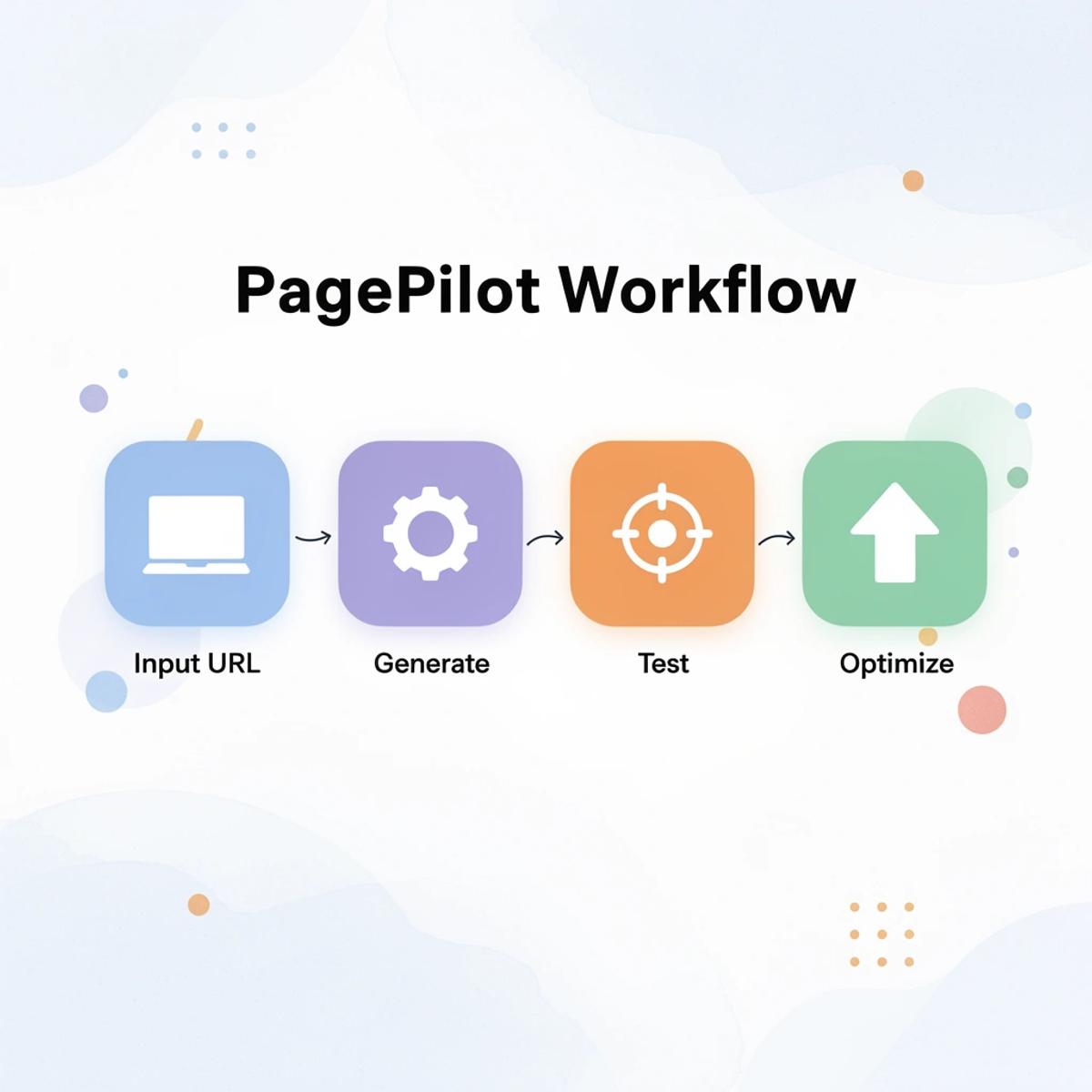
Instead of relying on platform features alone, you move directly from a live, testable page. Input a competitor or supplier URL, and our PagePilot generates a complete product page with structured copy and upgraded visuals, eliminating the need to piece together tools or build from scratch.
"PagePilot eliminates the need to piece together tools or build from scratch, delivering complete product pages in minutes, not hours."
💡 Tip: Focus on rapid iteration rather than platform perfection—PagePilot helps you test faster and optimize smarter regardless of your current setup.
How does speed advantage compound in dropshipping
You can launch multiple page variations in the time it would normally take to create one. When dropshippers test five products weekly to find winners, manual page creation becomes the bottleneck. Our PagePilot AI page builder generates conversion-optimized product pages in under a minute, supporting 30+ languages for global testing without hiring translators or designers for each iteration.
Why is strategic impact more important than aesthetics
The biggest impact is strategic, not aesthetic. Rather than reusing supplier content or copying competitors, you can quickly produce variations in messaging, angles, and presentation. Testing three different value propositions in a week reveals more about your market than perfecting one page over a month.
How does the platform foundation affect your results?
Your platform handles the basic structure. PagePilot enhances it so you can work faster, test more, and sell better without starting from scratch.
Instead of switching to a new platform and rebuilding your store, you use PagePilot to create new product pages and test them immediately. Within hours, you have multiple versions live, gather data, identify winners, and scale what works.
Pricing ranges from $10 to $500 monthly based on testing volume, making it accessible for validating your first product or scaling to hundreds of SKUs.
What matters beyond just speed?
But speed only matters if you know what to do with it.
Start a FREE Trial and Generate 3 Product Pages with Our AI Page Builder today
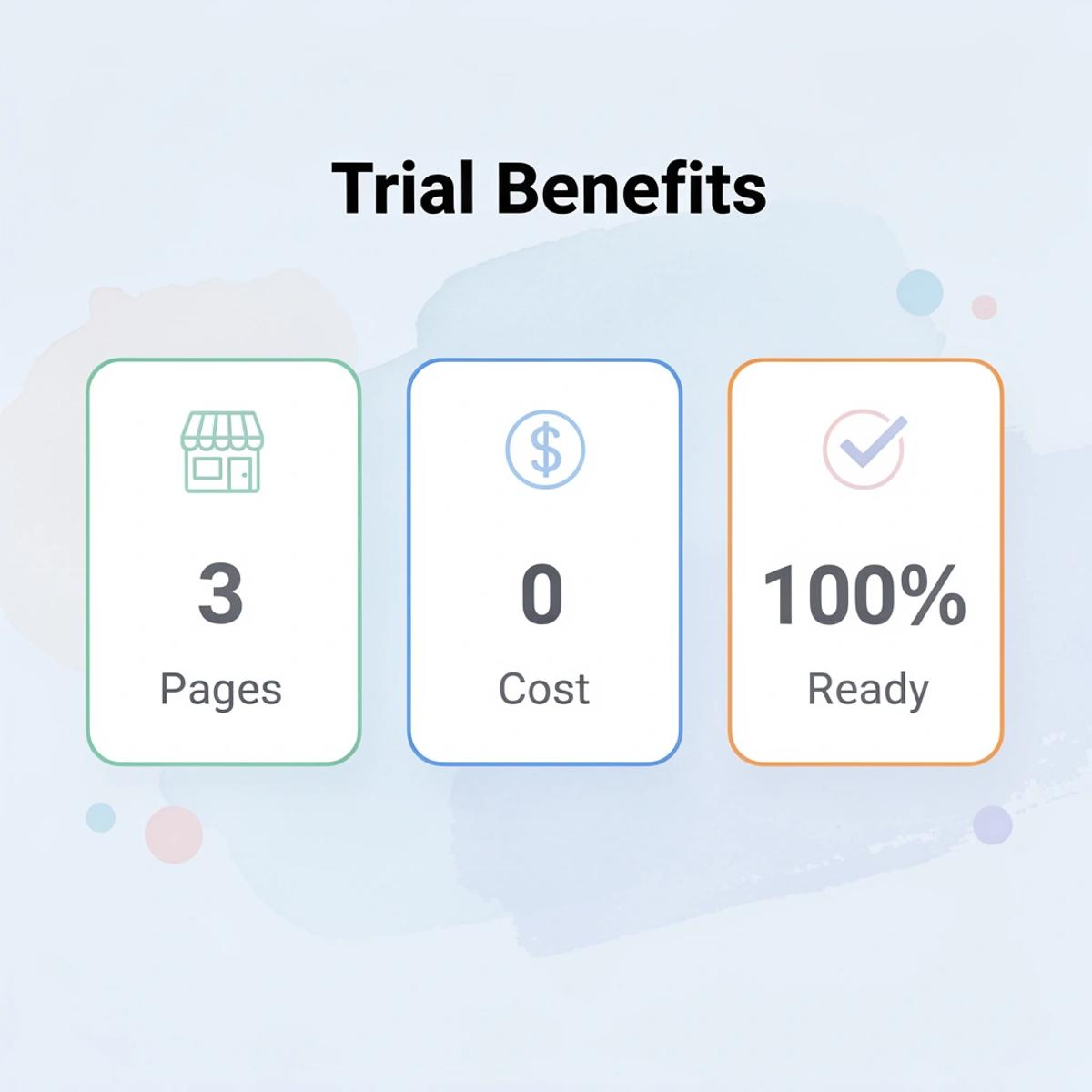
Start a free trial with PagePilot and create your first three product pages from a competitor or supplier URL. You'll have ready-to-test pages live immediately, so you can focus on results instead of rebuilding your store.
🎯 Key Point: Transform any competitor's product page into your own optimized version in minutes, not hours of manual work.

"3 product pages generated instantly from competitor URLs means you can start testing and selling immediately." — PagePilot AI Features
💡 Tip: Use your free trial strategically by selecting your top-performing competitor pages or best-selling supplier products to maximize your initial results.