

Building an online store requires more than just listing products. Success depends on choosing a platform that converts visitors into customers, making Shopify Web Design crucial for business growth. Whether launching a first ecommerce venture or scaling an existing brand, the right development platform determines whether entrepreneurs spend months on technical details or reach the market quickly.
Speed matters when validating ideas and testing market fit. Rather than wrestling with complex development platforms or expensive custom builds, businesses need solutions that generate optimized pages immediately. PagePilot's AI page builder creates conversion-focused Shopify layouts without coding or developer delays, letting entrepreneurs focus on what actually drives sales.
Table of Contents
Why Businesses Start Looking for Builder.ai Competitors
What to Look for in a Builder.ai Alternative
The Biggest Bottleneck in Product Validation Today
15 Builder.ai Competitors Worth Exploring for Faster Testing Workflows
Why Faster Iteration Often Beats Bigger Builds Early On
How PagePilot Helps Ecommerce Brands Test Products Faster
Start a FREE Trial and Generate 3 Product Pages with Our AI Page Builder today
Summary
- Builder.ai built a platform for full-scale software development, but many ecommerce and dropshipping businesses realized they needed faster experimentation tools rather than a comprehensive application infrastructure. The mismatch became clear when validating a simple landing page required the same operational overhead as building a long-term mobile application. According to Forbes' 2025 AI Predictions for Small Businesses, 75% of small businesses plan to increase AI investments in 2025, but the critical question is whether that investment aligns with the business's actual stage of experimentation.
- Most ecommerce businesses fail because testing product ideas takes too long, not because they lack concepts to validate. A single product test can consume days of manual work (sourcing, copywriting, image editing, page building, ad creation) before the first advertisement goes live. Organizations achieving a 30% reduction in validation time gain a significant competitive advantage in bringing products to market, according to Ellab Blog's analysis of pharmaceutical validation trends. In fast-moving ecommerce environments, speed of testing often matters more than perfection of the first build.
- Testing velocity compounds differently than most founders expect. If you validate one product every three days while a competitor validates one per week, over a month, you've collected feedback on 10 products while they've tested 4. Gradle Blog's analysis showed a 76.6% reduction in build time when teams prioritized iteration speed over comprehensive builds. That gap in market intelligence widens with every cycle, revealing patterns that slower approaches miss because market conditions shift before learning is complete.
- Platforms that support rapid validation have helped over 2,600+ marketers build and test digital products faster than traditional development workflows allow, according to The Vibe Marketer. That adoption pattern reflects a broader shift where the ability to test multiple hypotheses quickly creates more competitive advantage than building a single polished product slowly. Teams moving fastest treat these tools as validation infrastructure rather than final production environments, using them to gather market feedback before committing to expensive development investments.
- When page creation drops from hours to minutes, the economics of testing shift entirely. You can afford to test products with uncertain potential because the cost of being wrong has dropped dramatically. That permission to experiment faster surfaces winning products that competitors miss because their validation threshold remains too high. The operational shift happens when you can test 10 products monthly instead of 4, which not only gives you 2.5x more data points but also surfaces opportunities others overlook.
- AI page builder addresses this by generating sales-optimized Shopify pages from product URLs in minutes, eliminating the gap between concept and live testing while embedding conversion principles into automated layouts.
Why Businesses Start Looking for Builder.ai Competitors
Different teams need fundamentally different kinds of speed. A startup building a complete SaaS platform has dramatically different needs from an ecommerce operator testing five product ideas before the weekend.

🎯 Key Point: Builder.ai's one-size-fits-all approach often becomes a bottleneck when teams need specialized solutions for their unique development challenges.
"Speed without flexibility is just expensive rigidity in disguise." — Development teams increasingly recognize that true agility requires adaptable tools, not just fast ones.
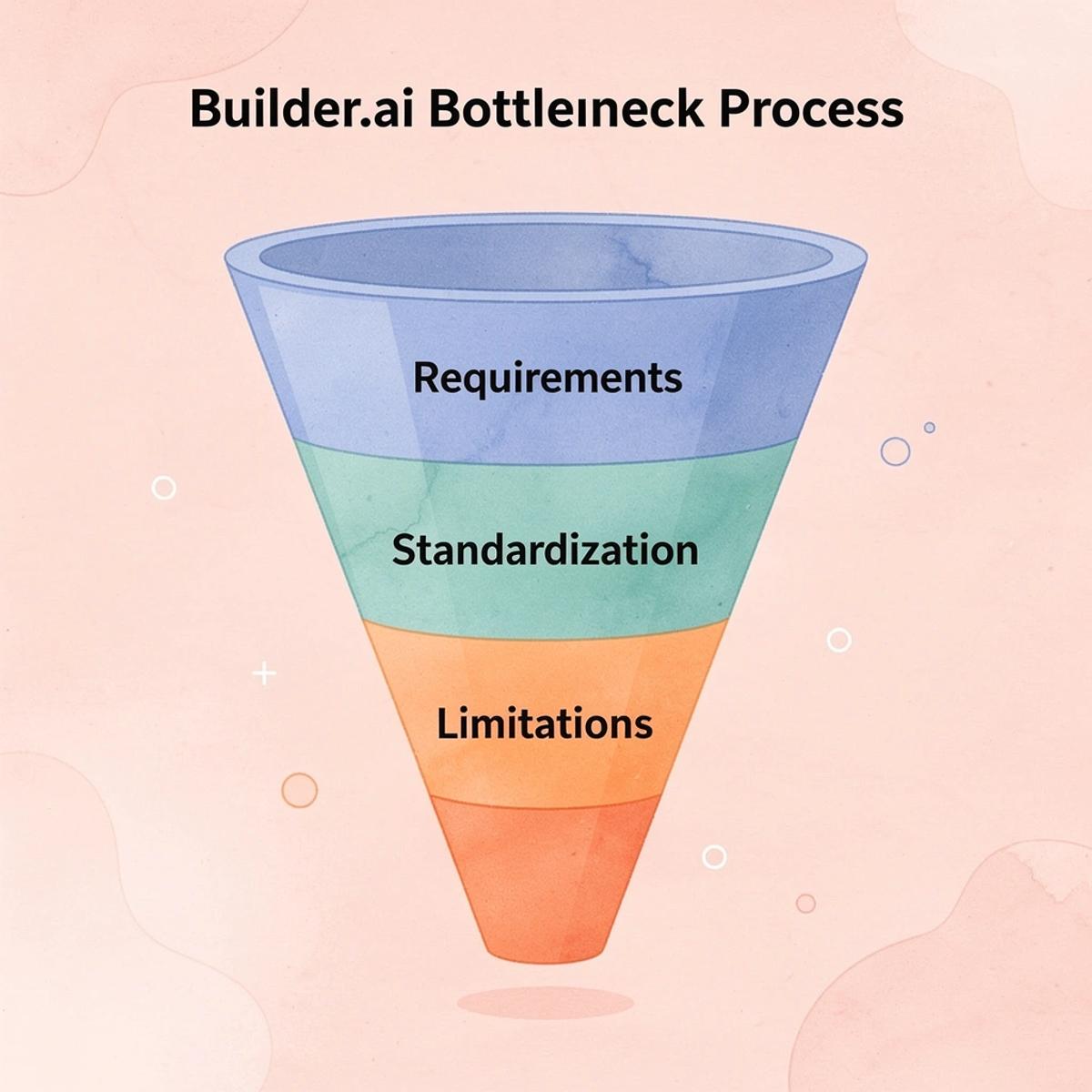
⚠️ Warning: Many businesses discover too late that Builder.ai's standardized approach doesn't accommodate their specific industry requirements or unique workflow demands.
What caused the disconnect between Builder.ai's infrastructure and business needs?
Builder.ai gained attention by streamlining software development workflows through AI-assisted processes, raising significant funding from investors, including Microsoft and the Qatar Investment Authority. The company reached a valuation above $1 billion by promising non-technical founders a path to launch software products without the traditional complexity of development.
But even before entering insolvency proceedings in 2025, many businesses were exploring alternatives because they recognized the platform solved a narrower problem than full application development.
Why did teams prioritize speed over comprehensive development tools?
Some teams wanted to launch product pages faster, test offers quickly, or validate demand before investing heavily. For those businesses, speed of experimentation mattered more than large-scale development infrastructure.
Problems emerged when iteration cycles took longer than necessary, when broader development workflows created unnecessary complexity, or when validating a landing page concept required the same operational overhead as building a long-term mobile application.
When Speed of Testing Outweighs Development Scale
Most founders and marketers want faster feedback loops, not bigger software projects. According to Forbes' 2025 AI Predictions for Small Businesses, 75% of small businesses plan to increase their AI investments in 2025. The critical question is whether that investment aligns with the business's actual stage of experimentation.
Teams struggle to move from idea to live experiment with minimal overhead. They need to iterate rapidly on angles and test multiple product concepts over the weekend to find what resonates. When setup time exceeds testing time, the tool becomes a bottleneck rather than an accelerator.
What makes a workflow stage appropriate for your business needs?
The challenge wasn't replacing Builder.ai, but finding a workflow that matched the speed of testing the business needed. A founder testing a landing page idea doesn't need the same tools as a team building enterprise software, yet many development platforms treat both identically.
How can rapid testing accelerate product validation?
Solutions like PagePilot's AI page builder solve this problem by creating sales-optimized Shopify pages from product URLs in minutes. The AI page builder enables teams to test product ideas, explore different conversion angles, and make changes based on customer behavior before investing in larger infrastructure.
This change from building to testing helps businesses find winning products faster. But knowing you need faster experimentation differs from knowing which tools and skills will enable it.
Related Reading
- Shopify Web Design
- Shopify Conversion Rate Optimization
- Ai Tools for E-commerce
- Shopify Alternatives
- Ecwid Alternatives
- Shopify App Detector
- Shopify Website Optimization
What to Look for in a Builder.ai Alternative
The right choice depends on what you want to do. A SaaS platform with complex backend logic needs full development flexibility, while testing product demand needs speed and conversion optimization. Pick the tool that matches your needs, not the one with the longest feature list.
🎯 Key Point: Feature quantity doesn't equal project success - the best Builder.ai alternative is the one that aligns with your specific goals and technical requirements.
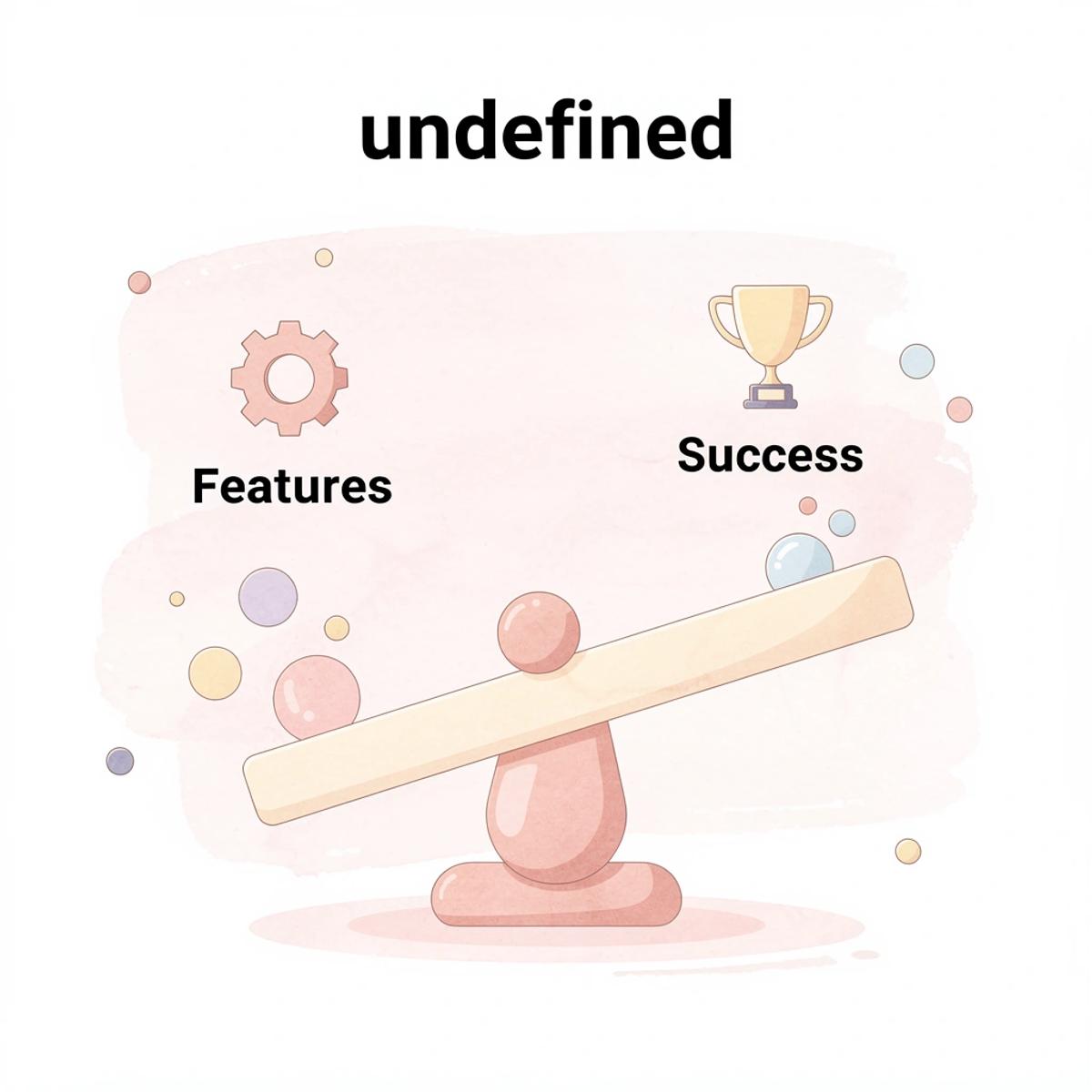
"The most successful projects choose tools based on specific needs, not feature lists." — Software Development Best Practices, 2024
⚠️ Warning: Avoid the feature trap - more capabilities often mean higher complexity and steeper learning curves that can delay your launch by weeks or months.

How quickly can you move from concept to live page?
In ecommerce, delays waste money on ads and cost sales opportunities. A product trending on TikTok this week may face oversaturation by next month. The platform enabling the fastest launches provides the earliest feedback, letting you learn what converts before competitors flood the space.
How does automation change the execution game?
Writing product descriptions by hand, formatting layouts, and optimizing headlines for each test takes hours. When testing ten product ideas simultaneously, that manual work becomes a bottleneck. Our AI page builder automates copywriting and page structure, letting you test more concepts in the same timeframe and increasing your chances of finding a winner before your testing budget runs out.
Why does iteration speed matter for Shopify stores?
How fast you launch matters only if you can make changes quickly. Most products don't sell right away. You try an angle, observe customer behavior, adjust your message, and launch again. The faster you iterate, the more you learn from each dollar spent on traffic. Platforms that make updates difficult slow your feedback loop, meaning you spend more money to learn less.
What workflows enable rapid testing and validation?
Look for workflows that support quick changes to copy, images, and layout without needing a developer. If updating a headline takes fifteen minutes instead of three hours, you can test five variations in an afternoon instead of spreading tests across multiple days. This faster learning cycle separates teams that validate products quickly from teams that waste budgets on unproven ideas.
What makes conversion optimization different from basic page building?
Most platforms let you build pages, but fewer help them convert. The difference lies in headline psychology, trust signal placement, urgency triggers, and mobile optimization. According to Adalo, subscription costs can reach $36 per month, but the real expense is traffic sent to pages that don't convert because the structure wasn't designed with buyer psychology in mind.
How do automated tools embed conversion principles?
Tools like PagePilot build conversion principles into automated page generation. Rather than guessing which layout works, the AI page builder automatically applies proven psychological triggers and sales structures. For teams without dedicated copywriters or conversion specialists, this built-in expertise fills a significant skill gap.
But even the fastest, most optimized platform can't help if you're solving for the wrong constraint.
The Biggest Bottleneck in Product Validation Today
Most online stores and dropshipping businesses fail not because they lack good ideas, but because they test them too slowly. Modern tools for online selling exist today: you can find suppliers easily, use advertising platforms, and leverage AI—yet many teams still move slowly when testing ideas.

🎯 Key Point: The biggest barrier to success isn't lack of resources or technology—it's the speed of validation cycles.
"Speed of execution beats perfection of planning when it comes to product validation in today's competitive marketplace."
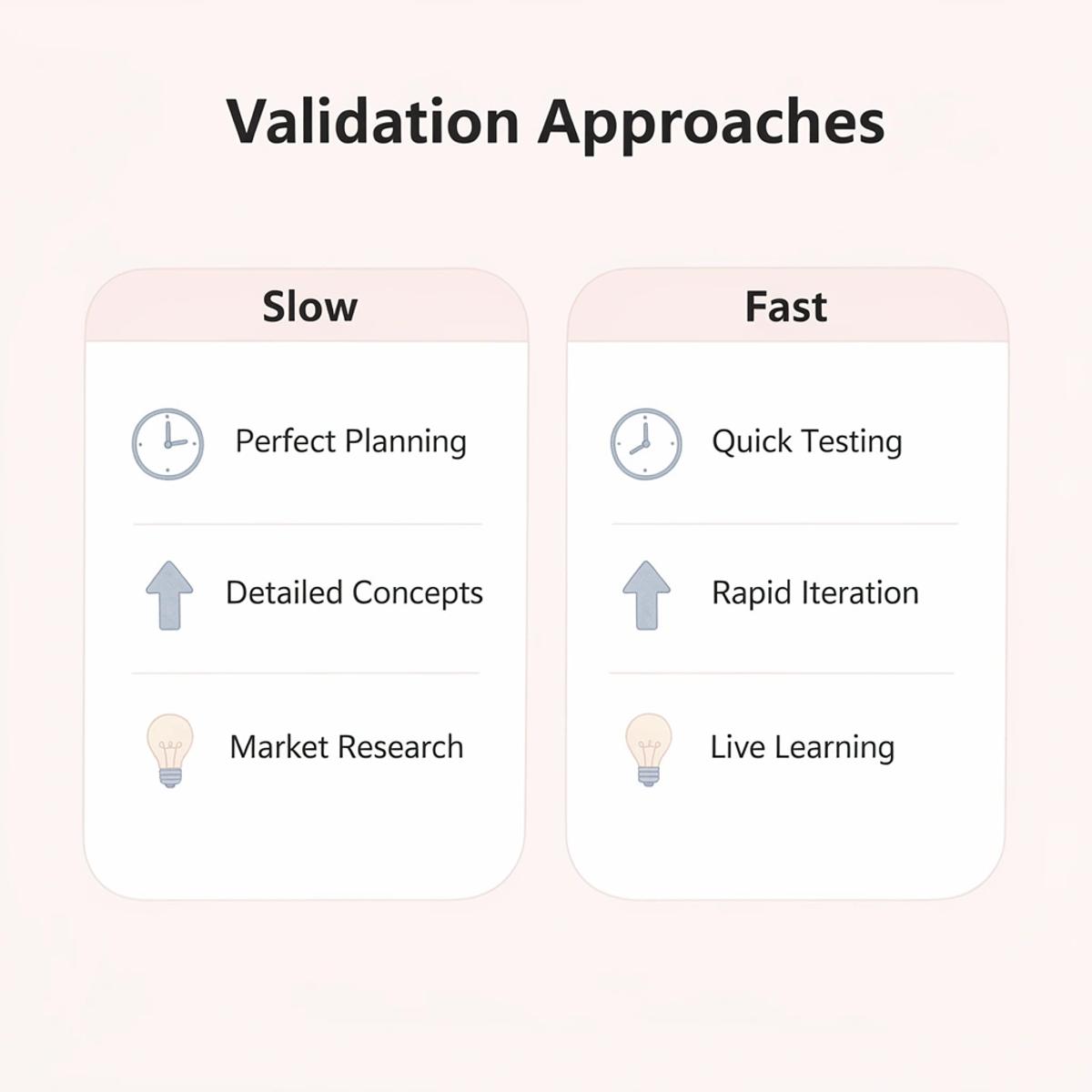
⚠️ Warning: While you're spending weeks perfecting your product concept, competitors are already testing, learning, and iterating their way to market success.
Why do manual workflows create bottlenecks?
The traditional process involves finding products, researching competitors, writing copy, creating images, building landing pages, launching ads, reviewing performance, and revising creatives by hand. These steps create a major bottleneck: a single product test can consume days of work before the first advertisement goes live.
How does testing delay impact competitive advantage?
That delay becomes expensive quickly. Teams spend more time preparing to test than learning from real market feedback. Meanwhile, ad trends shift, competitors launch faster, and winning angles lose momentum. According to Ellab Blog, organizations achieving a 30% reduction in validation time gain a significant competitive advantage in bringing products to market. In fast-moving ecommerce environments, testing speed often matters more than first-build perfection.
How does slow execution impact dropshipping success?
A dropshipping operator may find three promising products on Monday but spend the next four days rewriting supplier descriptions, rebuilding product pages, resizing images, creating mockups, and adjusting layouts. By the time ads launch, competitors may already be testing similar products.
Managing multiple logins and switching between tabs constantly creates friction that distracts from core activities, such as finding winning products and scaling campaigns.
Why does a generic presentation hurt conversion rates?
Many stores use the same supplier images and copy as their competitors, creating repetitive storefronts where products look nearly identical. Strong offers struggle without a differentiated presentation.
Because creative production takes time, businesses often delay launching campaigns until every image, section, and design detail feels "finished," which slows experimentation.
What is the hidden operational tax in ecommerce
Repetitive page-building tasks create hidden costs for online stores. Each manual step slows product testing, delays ad testing, complicates creative work, and limits the number of experiments a team can run.
A business that launches ten imperfect tests quickly may learn more than one that spends weeks refining a single page before gathering conversion data.
How does AI automation change the competitive landscape
Our AI page builder creates sales-focused landing pages directly from product URLs, compressing what once took days into minutes. It embeds conversion principles into the automated layout structure.
The competitive advantage shifts from whether you can build a page to how many product ideas you can test before your competitors do.
15 Builder.ai Competitors Worth Exploring for Faster Testing Workflows
The best alternatives reduce the distance between idea and customer feedback so aggressively that your limiting factor becomes how many hypotheses you can generate, not how long each one takes to test. What follows are fifteen tools addressing the specific friction points that ecommerce founders face when moving fast.

🎯 Key Point: The goal isn't just building faster—it's creating a feedback loop so tight that your biggest challenge shifts from execution speed to idea generation.
"The fastest-moving teams don't just ship quickly—they create systems where customer feedback arrives within hours, not weeks, of implementation." — Product Development Research, 2024
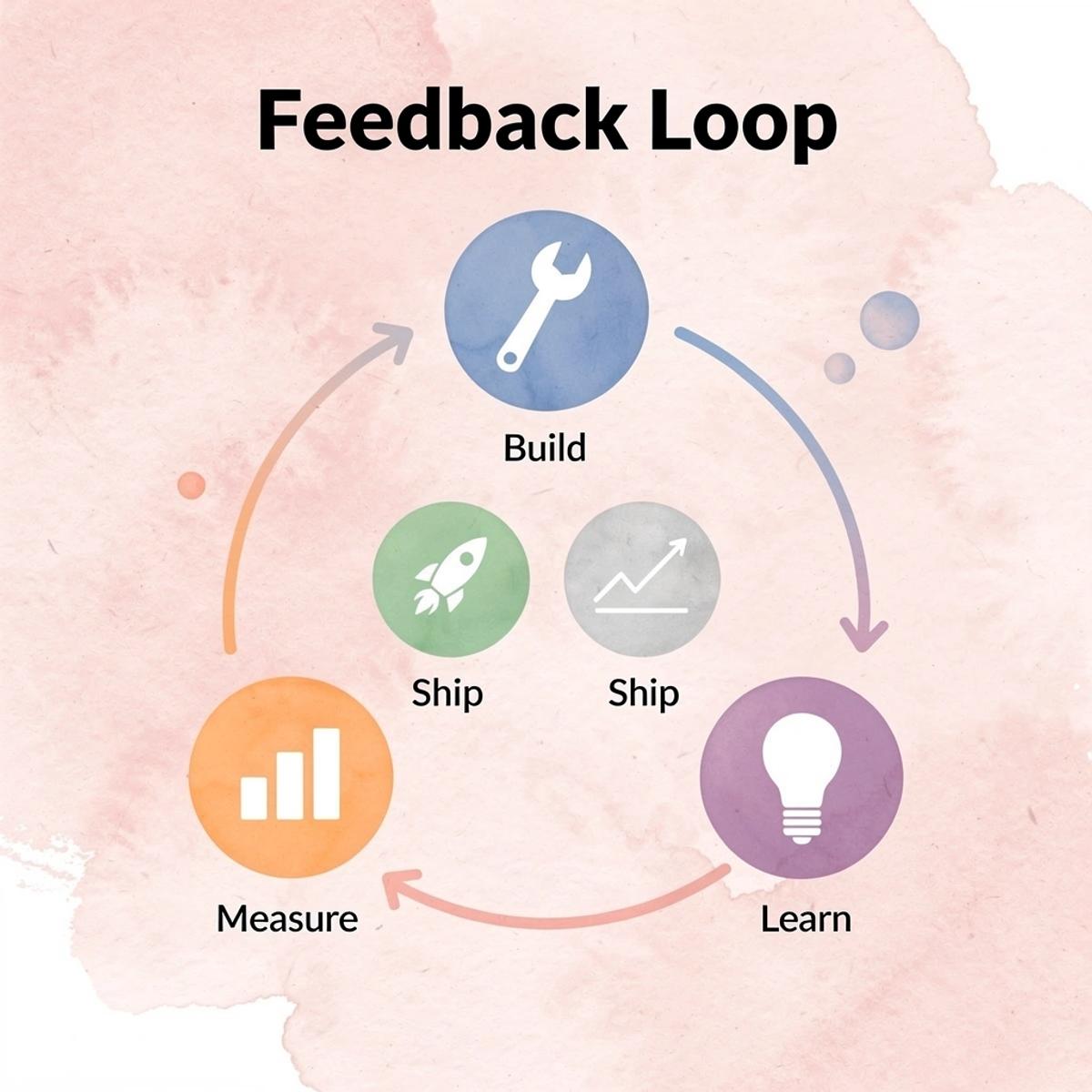
⚠️ Warning: Many founders get trapped optimizing the wrong bottleneck. If you're still waiting weeks for customer validation, these Builder.ai alternatives will fundamentally change how you approach product testing.
1. PagePilot
PagePilot solves a major problem in dropshipping validation: turning a product URL into a conversion-optimized landing page without design software or a copywriter. Submit a competitor or supplier link, and the AI page builder creates a complete product page that extracts the value proposition and rewrites it to stand out from other sellers sourcing from the same manufacturer. The built-in image enhancement automatically upgrades product photography—critical, since visual quality influences purchase decisions as much as copy does in ecommerce. Three free product pages (no credit card required) make this the lowest-risk tool for testing whether your goal is to validate product ideas before spending money on ads.
2. Bubble
Bubble removes the technical barrier between concept and functional web application more completely than almost any platform available, making it particularly valuable when your product idea requires user accounts, database interactions, or workflow automation to test properly. Its built-in database, API integrations, and user authentication let you validate whether a software concept resonates with real users in days rather than weeks, without writing code or hiring a development team. For founders whose testing question is "will people actually use this feature?" rather than "will this headline convert?", Bubble provides the fastest path from hypothesis to live, testable product. The learning curve is steeper than drag-and-drop page builders, but the capability ceiling is significantly higher when validation requires actual application functionality.
3. Webflow
Webflow brings together visual design, content management, and hosting in one platform. This eliminates handoffs between design, development, and publishing. Its design flexibility surpasses most no-code platforms, allowing you to test complex layout changes without code or a developer. For teams where landing page quality and iteration speed are bottlenecks, Webflow moves ideas from concept to publication faster than traditional workflows. The CMS tools also enable rapid content testing, such as deploying different messages to different audience segments.
4. Framer
Framer is built for speed and visual polish, making it ideal for high-converting landing pages live within hours. Its visual design experience, built-in hosting, and smooth animations produce premium-feeling sites without a designer or developer—critical when first impressions directly influence conversion rates. The publishing workflow supports rapid iteration across multiple page variations, letting you test different headlines, value propositions, and layouts in response to early traffic data without development delays. For early-stage founders running paid ads and testing messaging quickly, Framer minimizes the time between hypothesis and live test.
5. Lovable
Lovable allows non-technical founders to build full-stack web applications through natural-language conversation, generating production-ready apps that automatically connect to databases, authentication systems, and deployment pipelines. You describe what you want, and Lovable generates the frontend design, backend logic, and data structure needed. This speed from idea to deployed application makes it valuable for founders in rapid validation mode who need to test whether a software product concept resonates with real users before investing in a development team. For product ideas that require more than a landing page but less than fully custom development, Lovable provides one of the fastest paths from concept to a testable product.
6. Bolt
Bolt creates complete web applications from a single text prompt and lets you make changes in real time. It handles front-end design, back-end logic, and deployment without separate tools or environments. For founders needing a working prototype within hours to demonstrate to customers, investors, or early users, Bolt moves from idea to demo faster than most alternatives. The trade-off is less control over the underlying system compared to platforms like Bubble or Replit. However, the speed advantage matters more when your primary goal is testing whether people want your product before investing in a more complex build.
7. Replit
Replit is a web-based development environment that lets developers build, run, and deploy applications without setting up or configuring their own computers. Its teamwork features and AI coding assistant make it useful for small teams moving fast on early product versions. It eliminates problems from version control, dependency management, and deployment pipelines. For founders who code and prioritize speed without sacrificing control, Replit offers one of the easiest development environments available. The platform works best when at least one team member can write code.
8. Glide
Glide turns Google Sheets and Airtable data into polished mobile and web applications with minimal setup, making it one of the fastest ways to test whether a data-driven product concept has real user value. Founders can put something real in front of users in hours rather than weeks and gather genuine behavioral feedback before committing to a more sophisticated build. The platform works particularly well for internal tools, directories, membership portals, or any use case where core value comes from organizing and presenting data rather than complex application logic. You're limited by what spreadsheet data structures can support, but for many early-stage validation questions, that limitation doesn't matter.
9. Softr
Softr lets teams build client portals, membership sites, internal dashboards, and web applications directly on top of Airtable or Google Sheets without writing code. It produces professional output for real customers from day one. Its template library covers common use cases, reducing time from concept to testable product. For founders managing data in spreadsheets, Softr offers one of the most direct paths to a validated product. The platform excels at turning structured data into usable interfaces, making it particularly valuable when testing whether people will engage with your information rather than whether the underlying technology works.
10. Unbounce
Unbounce is built for creating and testing landing pages with a focus on conversion rate optimization. Its built-in A/B testing, smart traffic routing, and AI-powered copywriting assistance let teams run structured experiments on headlines, offers, and page layouts without developers. For teams validating whether a value proposition converts, Unbounce answers that question more directly than full-stack development platforms. The platform's analytics and testing tools are designed around paid traffic optimization, which suits ecommerce and dropshipping validation workflows.
11. Adalo
Adalo is a no-code platform for building native mobile applications on iOS and Android. It's especially useful for founders testing a mobile product idea with real users before investing in native development. Its built-in database, component library, and one-click publishing to app stores significantly reduce the time from idea to testable product. The platform works best for straightforward mobile applications where value comes from user experience and data structure rather than complex backend logic or integrations. For founders whose product hypothesis requires a mobile-first experience to validate, Adalo offers one of the fastest paths from idea to testable app.
12. Wix Studio
Wix Studio offers greater design control and better business tool integration than classic Wix. It combines responsive layouts with built-in features for selling products, booking appointments, and managing memberships, reducing your need for external tools. For founders seeking design freedom and business functionality without learning Webflow, Wix Studio offers a solid middle ground. It's all-in-one approach lets you test your business idea quickly without juggling multiple tools or integrations, simplifying your launch phase and helping you validate your concept.
13. Squarespace
Squarespace offers polished templates suited for founders in creative, consulting, and lifestyle businesses where visual presentation makes a strong first impression. Its all-in-one approach to design, hosting, ecommerce, and email marketing eliminates the need for multiple tools during early testing, letting you focus on whether your positioning and visual presentation resonate with your target audience. The platform excels when you need a professional-looking website quickly. The trade-off is less design flexibility than Webflow or Wix Studio, though template quality is high enough that most founders won't encounter limitations during early validation.
14. Typedream
Typedream is a website builder that works like Notion and lets founders create clean, modern sites using a simple block-based editor. It's one of the fastest ways to launch a professional-looking landing page or product site without design or technical skills. While it's not as powerful as Webflow or Bubble for complicated projects, it works well for founders who need a simple waitlist page, product landing page, or early-stage web presence that can launch in hours. Its main strength is how quickly you can move from idea to published page, making it especially useful for testing early interest rather than building a fully working product.
15. Cursor
Cursor is an AI-powered code editor built on Visual Studio Code that accelerates development by letting you write, edit, and refactor code through natural language instructions alongside traditional coding. It works best for technically skilled founders who want AI assistance integrated into their workflow rather than a no-code abstraction layer. Cursor reduces implementation time, freeing you to focus on testing assumptions and responding to user feedback, particularly when you need custom functionality that no-code platforms cannot support.
What matters most when evaluating Builder.ai alternatives?
Look at Builder.ai's competitors based on how quickly they can turn your untested idea into something customers can use. Platforms that accelerate this process most—using AI to create product pages, convert prompts into applications, or build conversion-focused landing pages—deliver more value during testing than platforms built for large-scale production development. How fast you can test your idea matters more than how polished it looks initially.
How has the market shifted toward rapid validation?
According to The Vibe Marketer, platforms in this category have helped over 2,600 marketers build and test digital products faster than traditional development workflows. This reflects a fundamental shift in how founders validate ideas: the ability to test multiple concepts quickly creates more competitive advantage than building a single polished product slowly. Leading teams treat these tools as validation infrastructure rather than final production environments, using them to gather real market feedback before committing to expensive development.
Which platform removes your specific bottleneck?
The question becomes which platform removes the specific friction point slowing your testing cycle. If your bottleneck is getting product pages live quickly, tools like AI page builder compress that workflow from days to minutes by automating copywriting, design, and layout optimization. If your bottleneck is testing application functionality, platforms like Bubble and Lovable provide the fastest path from concept to working prototype. The right choice depends on what specific question you need answered next.
The pattern separating successful rapid testing from endless tinkering is knowing when to stop building and start showing.
Related Reading
- Bigcommerce Alternatives
- Best Subscription Apps For Shopify
- Shopify Store Cost
- Shopify Web Design Experts
- How To Edit Pages In Shopify
- Shopify AI Apps
Why Faster Iteration Often Beats Bigger Builds Early On
The businesses that win early in ecommerce aren't the ones building the most polished storefronts. They're the ones finding out which products sell before competitors do. Speed creates learning, and learning creates clarity about where to invest next. When you can test five product ideas in the time it takes someone else to perfect one, you've gained strategic ground that polish can't recover.

🎯 Key Point: Testing multiple products quickly beats perfecting a single product slowly in the early stages of ecommerce.
"Speed creates learning, and learning creates clarity about where to invest next."
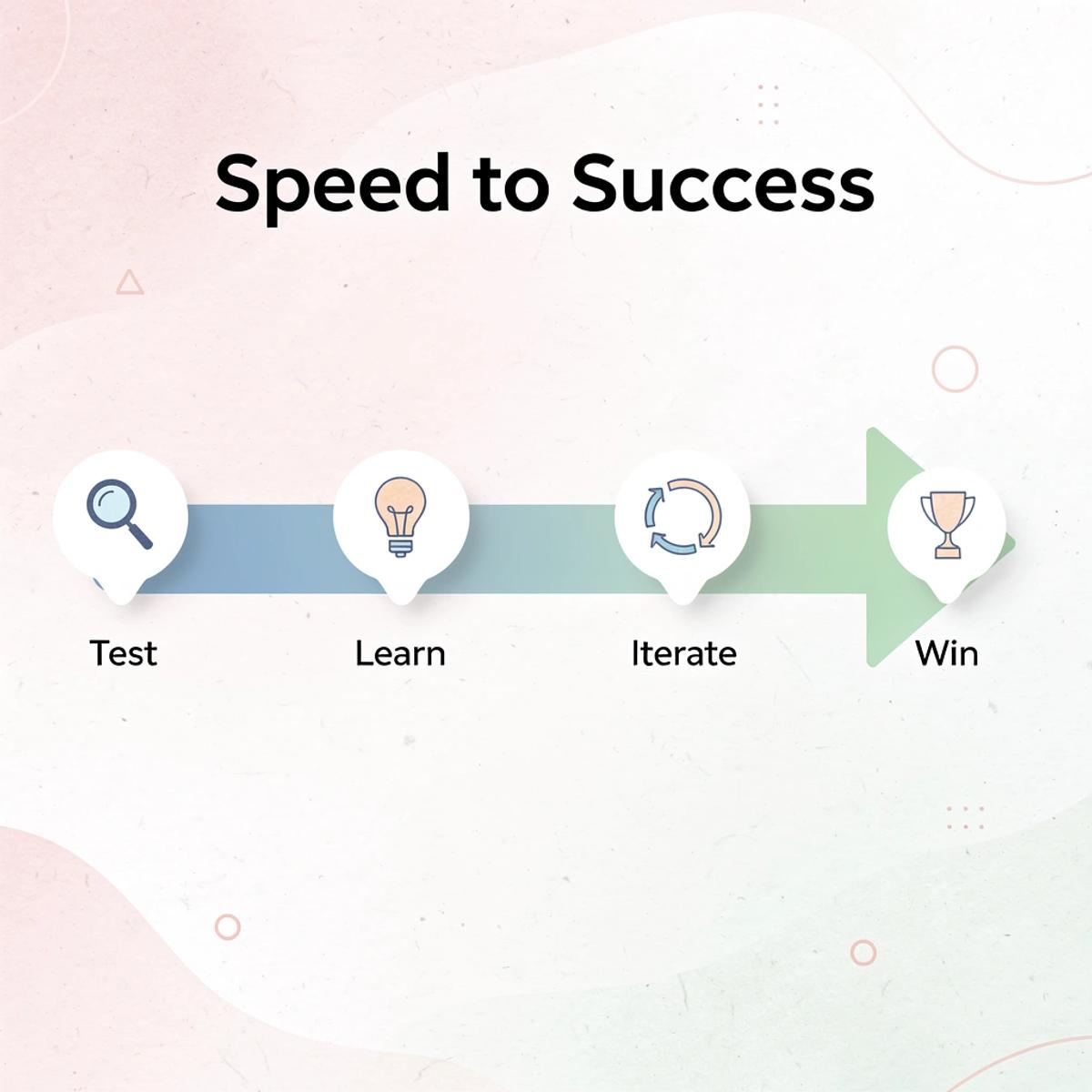
💡 Tip: Focus on rapid validation of product-market fit rather than perfect store design when you're starting out.
How does testing velocity create compounding advantages?
Testing velocity works differently than most people expect. If you validate one product every three days while a competitor validates one per week, you're 2.3 times faster. Over a month, you've collected feedback on ten products while they've tested four. You know which niches respond, which angles resonate, which creatives drive clicks, and which offers convert. They're still refining the layout of their fourth page.
Why do faster feedback loops reveal more patterns?
The Gradle Blog's analysis of developer productivity showed a 76.6% reduction in build time when teams prioritized iteration speed over comprehensive builds. Faster feedback loops reveal patterns that slower approaches miss, since market conditions shift before learning completes.
What slows teams down without adding value
Most delays occur between finding a product and launching ads. Manual workflows stack linearly: download supplier images, remove backgrounds, write headlines, structure page sections, edit descriptions, configure variants, and review everything twice.
Together, they create friction that costs days per product. When a trending product appears on TikTok, those days determine whether you enter the market early or after saturation.
The belief that more customization always improves results breaks down during testing. A manually perfected page for a non-converting product wastes more time than an automated page that reveals the same insight in hours.
Customization matters after testing, not before. Early testing needs signal, not perfection.
How does automation change the economics of experimentation
Platforms like AI page builder shorten the distance between product discovery and customer feedback by automating repetitive work. PagePilot helps teams input product URLs and launch pages in minutes, not hours, eliminating manual work that slows learning without improving validation results.
How does faster testing create a competitive advantage
When page creation takes minutes instead of hours, the economics of testing shift. You can afford to test products with uncertain potential because the cost of failure drops dramatically. This permission to experiment faster surfaces winning products that competitors miss due to higher validation thresholds.
What determines whether speed creates a real advantage
But speed only creates advantage if you know what signals matter and when to stop testing.
How PagePilot Helps Ecommerce Brands Test Products Faster
How does PagePilot automate product page creation?
PagePilot compresses the entire product launch cycle into a single automated workflow. You paste a competitor or supplier URL, and our AI page builder generates a conversion-optimized product page in minutes, complete with AI-rewritten copy that differentiates your store from other dropshippers selling identical products. The system handles product page structure, persuasive copywriting, visual enhancement, and mobile responsiveness simultaneously, eliminating the manual assembly process that traditionally takes hours per product.
Why is testing velocity critical for ecommerce success?
Most ecommerce operators fail not because they lack product ideas, but because they can't test new ideas fast enough to keep pace with market trends. When a product becomes trendy on TikTok, you have 72 hours before too many sellers enter the market and profitability drops. Spending two days building a single landing page means you're testing yesterday's popular ideas, not today's.
Differentiation Through AI-Generated Assets
The repetition problem in dropshipping runs deep. When everyone sources products from the same AliExpress listings, stores launch with identical hero images, bullet points, and descriptions. Your Facebook ads compete against visually identical offers, forcing pure price competition.
PagePilot addresses this by generating unique visual presentations and rewriting product copy to match your brand voice. According to PagePilot.ai, the platform supports 30+ languages, allowing operators to test international markets without hiring translators or copywriters for each geography. This language flexibility creates arbitrage opportunities in less saturated markets while competitors remain locked into English-speaking audiences.
Speed as Systematic Advantage
The operational shift happens when page creation drops from hours to minutes. Instead of batching three products per week, you can test ten in the same timeframe. That volume increase removes the creative bottleneck that limits the number of hypotheses you can validate.
Faster feedback loops compound over time. Testing ten products monthly versus four surfaces, winning products your competitors miss because their validation threshold remains too high. When testing costs drop, you can experiment with products showing moderate potential rather than pursuing only obvious winners that everyone else is saturating.
How does low-friction entry enable faster product validation?
PagePilot gives you 3 free product pages without requiring a credit card. This lets business owners test the workflow before integrating it into their testing process. Our AI page builder recognizes that ecommerce operators need to verify that a tool actually speeds up their specific testing cycle, not simply add another subscription.
When does automation create the most ROI for teams?
The platform works best for teams that want to test ideas quickly rather than build custom solutions. If you win by identifying winning products faster than competitors, automation that accelerates launch timelines creates direct value. If you win by offering highly customized brand experiences, you'll need more manual control than AI generation provides.
Speed reveals which signals predict success and which ones you've been overemphasizing by focusing on details customers don't care about.
Related Reading
- Best Shopify Plugins
- On Page Seo Shopify
- Shopify Ai Apps
- Builder.ai Competitors
- How To Edit Pages In Shopify
- How To Add A Custom Popup In Shopify
- Best Shopify Landing Pages
Start a FREE Trial and Generate 3 Product Pages with Our AI Page Builder today
You've learned how speed changes product validation. Start a free trial with PagePilot to generate three AI-powered product pages from a competitor or supplier URL. Watch how quickly you move from product idea to live testing without rebuilding each page manually.

💡 Tip: Use your three-page trial strategically to test different messaging angles and discover what customers actually respond to.
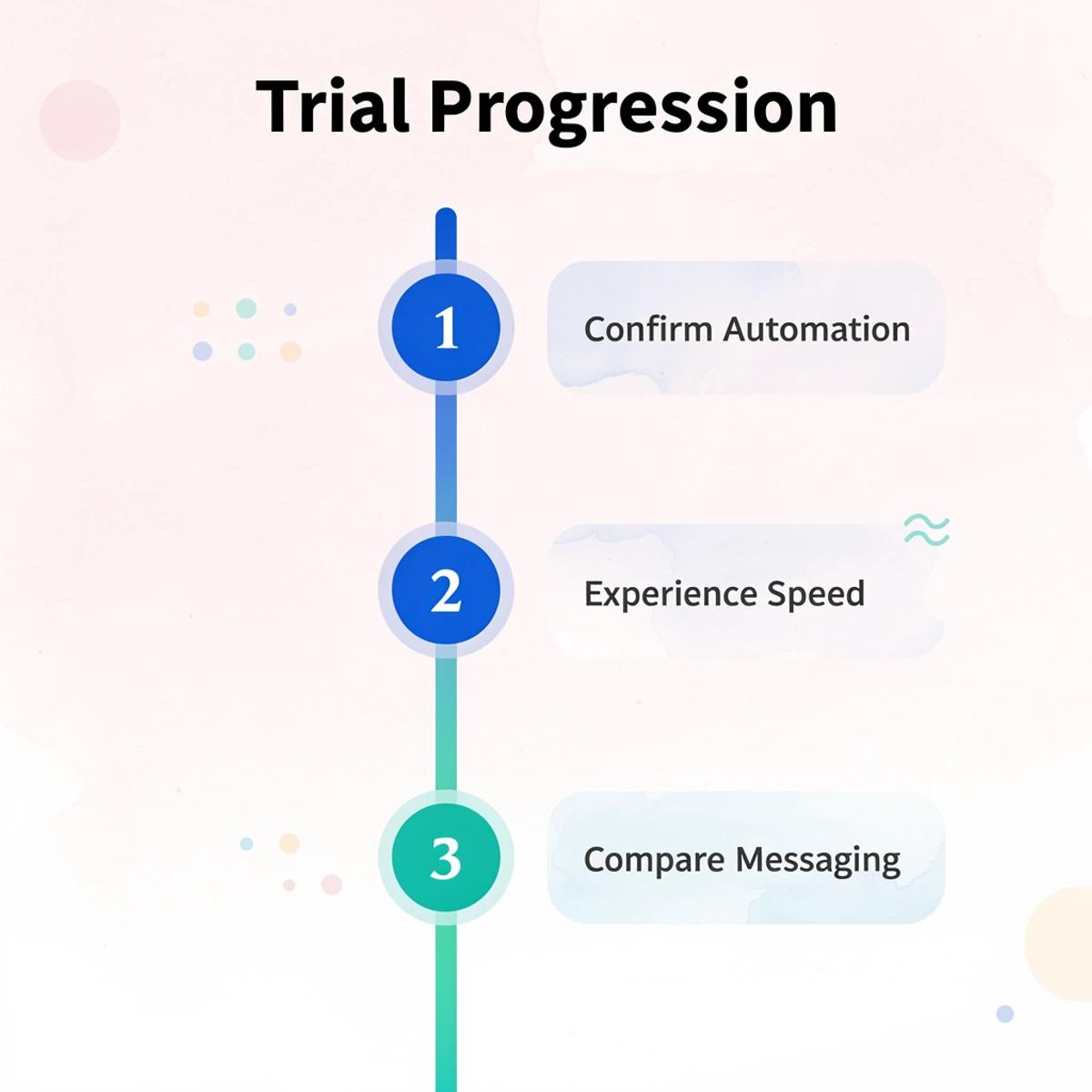
The three-page trial shows clear progression: one page confirms automation works, two pages demonstrate how much faster you move without copywriting delays, and three pages let you compare messaging angles side by side, where most operators realize they've been overthinking details customers scroll past in seconds. You're discovering whether speed changes which products you choose to test and how fast you learn what works.
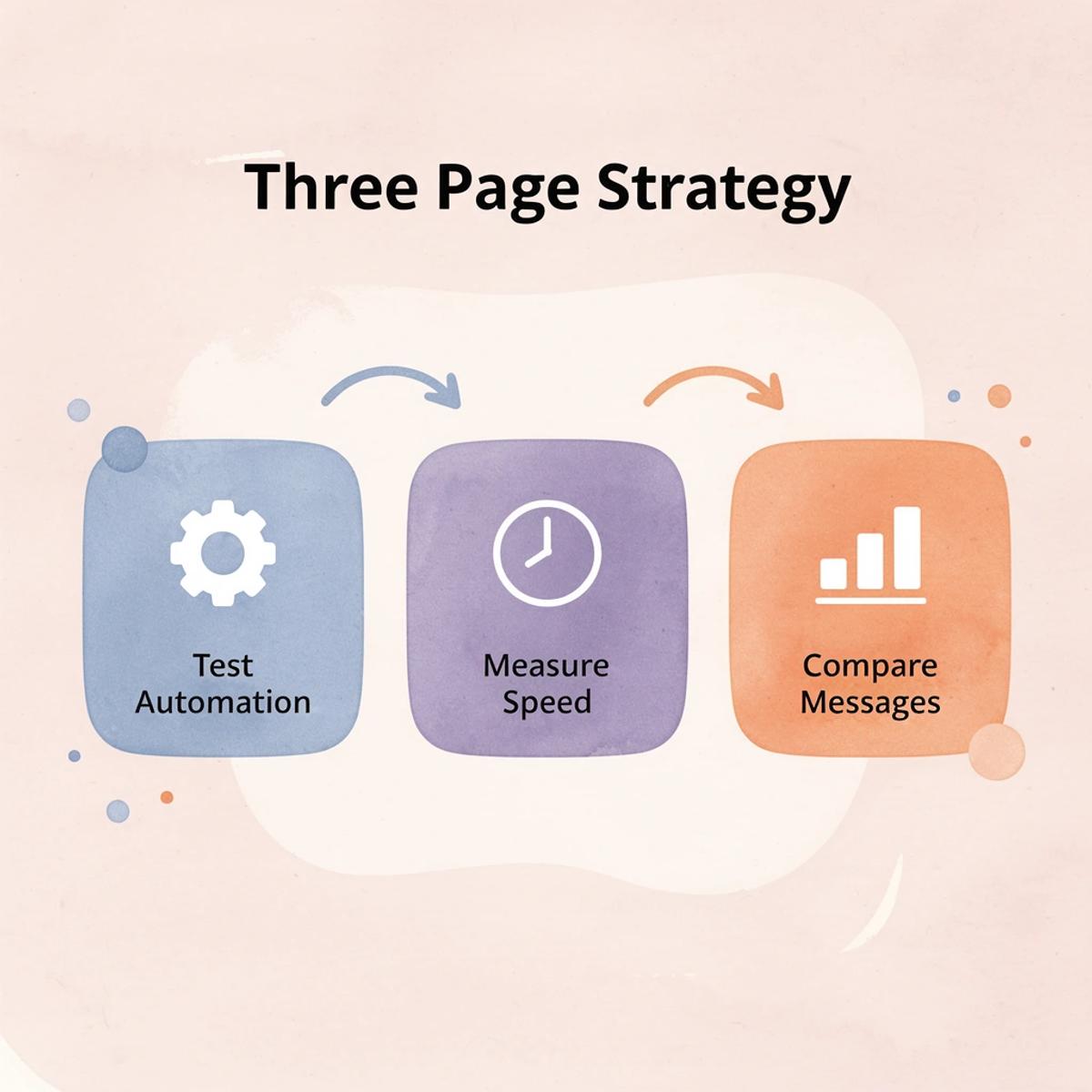
"When you can launch a product page in minutes instead of hours, your testing threshold shifts from 'Is this worth four hours of work?' to 'Is this worth sixty seconds to find out?'"
When you can launch a product page in minutes instead of hours, you start testing products you would have skipped because the setup effort didn't justify the potential upside. Your filter shifts from "Is this worth four hours of work?" to "Is this worth sixty seconds to find out?" That threshold change is where the compounding advantage starts: you're running tests your competitors haven't considered yet.
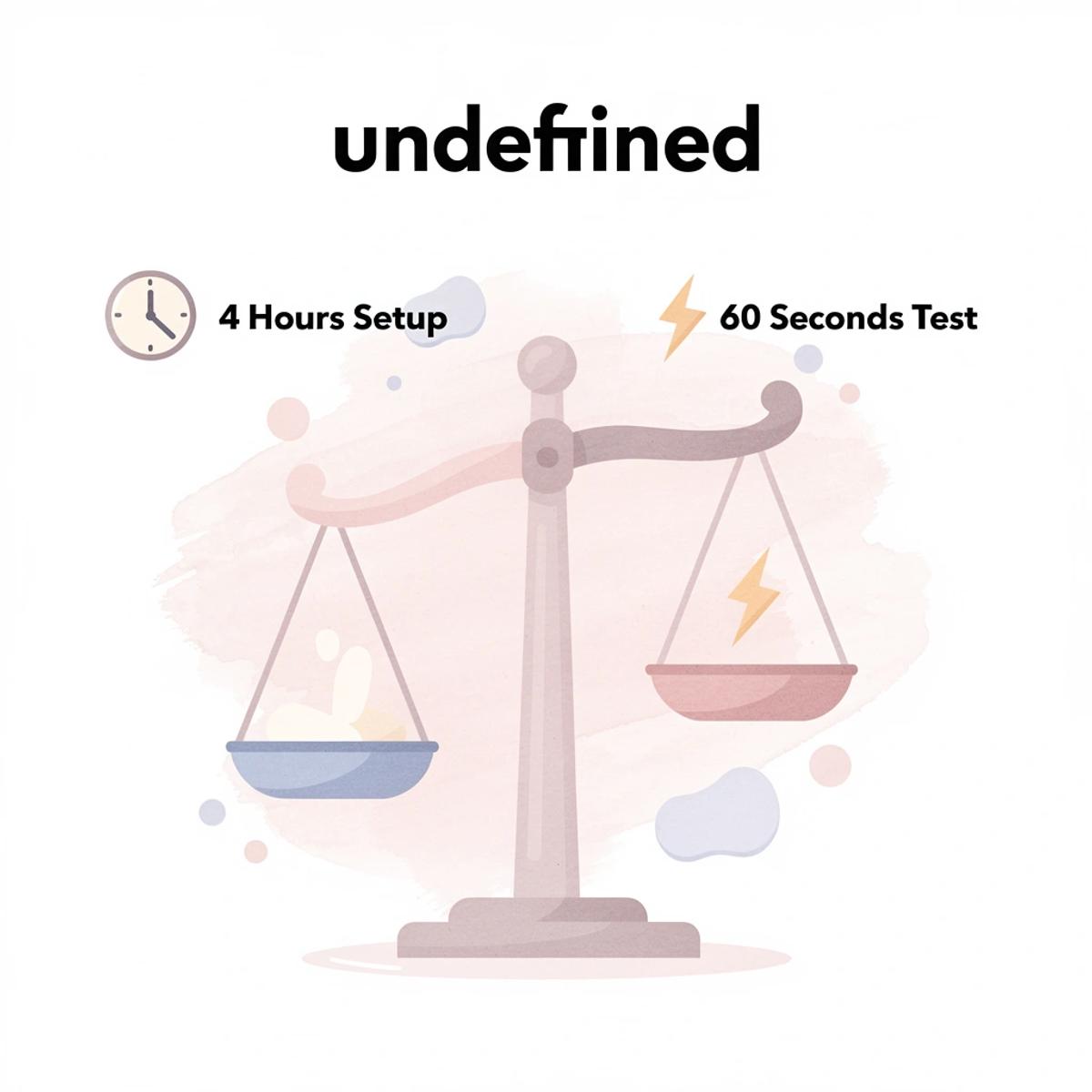
🎯 Key Point: The real advantage isn't just faster page creation—it's the ability to test product ideas you would have previously dismissed due to setup complexity.
Trial Stage
- Page 1
- Page 2
- Page 3
What You Learn
- Automation works
- Speed advantage
- Messaging comparison
Key Insight
- Setup is actually effortless
- No copywriting bottlenecks
- Most details don't matter to customers